Scrap Metal Prices and What Your Junk Car Is Really Worth

That old car rusting in your driveway? It’s worth more than you might think—and the reason has a lot to do with the scrap metal market. Prices for steel, aluminum, and copper shift constantly, and those changes flow directly into the cash offer you’ll get for a junk vehicle.

If you’ve been holding onto a car that no longer runs, timing your sale around the scrap market can mean the difference between a disappointing payout and a pleasant surprise. This guide breaks down what’s driving the U.S. scrap metal market right now, how those prices set your car’s value, and what you can do to get the most money for it.

Scrap Metal Prices and Car Value

What’s Happening in the USA’s Scrap Metal Market?

The scrap metal market in the United States moves with the wider economy. When construction and manufacturing pick up, demand for recycled metals climbs—and so do prices. When those industries slow down, scrap values tend to soften.

Right now, the market reflects a mix of steady domestic demand and shifting global trade conditions. Steel and iron, which make up most of a car’s body, remain the backbone of the scrap industry. Meanwhile, metals like copper and aluminum continue to command higher prices because of their use in electronics, wiring, and green energy projects.

How Scrap Metal Prices Directly Impact Junk Car Value

A junk car is essentially a bundle of recyclable metals on wheels. When buyers quote you a price, they’re calculating how much they can recover by selling those metals to a recycler or mill. So when scrap prices rise, junk car offers rise too. When prices dip, offers follow.

This is why two identical cars can fetch different amounts just a few weeks apart. The car hasn’t changed—the metal market has.

Key Factors Influencing Scrap Metal Prices

Several forces push scrap prices up and down. Knowing them helps you understand why your quote looks the way it does.

Global Demand for Metals

Metal is a global commodity. When countries ramp up construction or manufacturing, they buy more steel and other metals, tightening supply and lifting prices worldwide. A building boom overseas can raise the value of the steel sitting in your driveway.

Economic Conditions and Industrial Output

When factories are busy and the economy is growing, demand for raw materials surges. Strong industrial output usually pushes scrap prices higher. During slowdowns or recessions, demand drops and prices tend to fall.

Supply Chain Dynamics

The cost and availability of transporting, processing, and recycling metal all affect the final price. When supply chains are strained—through fuel costs, labor shortages, or shipping delays—scrap yards may offer less to cover their added expenses.

Breaking Down Your Junk Car’s Value

Your car isn’t valued as one single object. It’s valued by the materials inside it.

The Role of Steel and Iron in Your Vehicle

Steel and iron account for roughly two-thirds of a typical car’s weight. They form the frame, body panels, and engine block. Because there’s so much of it, steel is the single biggest contributor to your car’s scrap value—even though it sells for less per pound than other metals.

Other Valuable Metals: Copper, Aluminum, and More

Beyond steel, your car holds smaller amounts of high-value metals:

  • Copper: Found in wiring, motors, and the radiator. It’s one of the most valuable metals in your vehicle.
  • Aluminum: Used in wheels, engine components, and trim. Lightweight but worth a solid amount per pound.
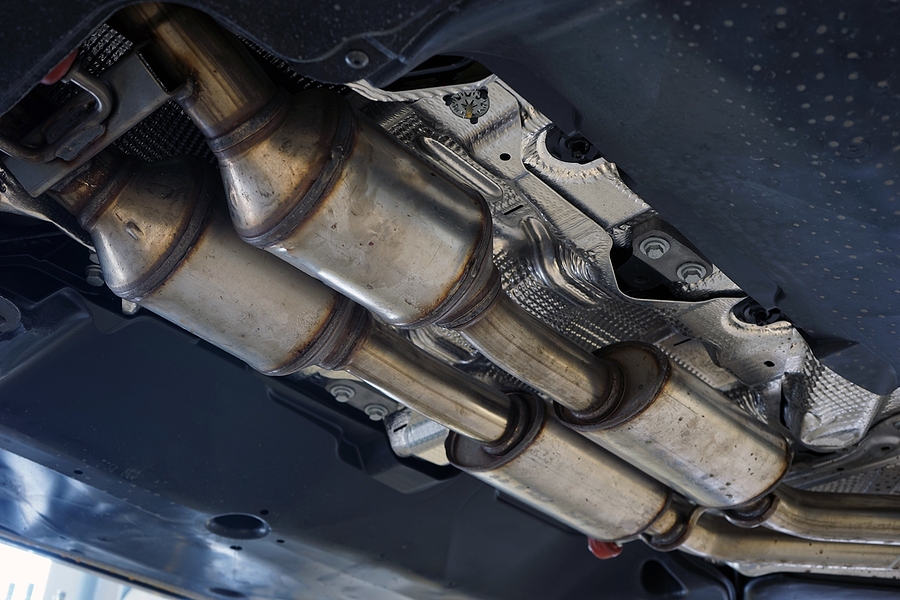
  • Catalytic converter: Contains precious metals like platinum and palladium, often making it the most valuable single part of a junk car.

Weight vs. Component Value: Which Matters Most?

Both matter. Heavier vehicles contain more steel, which raises the baseline scrap value. But a lighter car with an intact catalytic converter and usable parts can sometimes be worth more than a heavier one stripped of its valuable components. The best offers consider both total weight and the specific parts still in place.

Regional Differences in the US Scrap Market

Where you live plays a real role in what you’ll be paid.

How Local Demand Affects Prices

Scrap prices vary from state to state and even city to city. Areas with active steel mills, recycling plants, or manufacturing hubs often pay more because buyers have nearby outlets for the metal. Regions with fewer processors may offer less.

Transportation Costs and Their Impact

Getting metal from your driveway to a recycler costs money. If a scrap yard sits far from a processing facility, those transportation costs come out of your offer. This is one reason local buyers like Benjamin’s Junk Cars who handle towing themselves can often give you a better, simpler deal.

Maximizing Your Junk Car’s Payout

A few smart steps can boost what you take home.

Preparing Your Vehicle for Sale

  1. Gather your title and paperwork. A clear title makes the sale faster and often more valuable.
  2. Remove personal belongings. Check the glove box, trunk, and under the seats.
  3. Keep valuable parts intact. A present catalytic converter usually adds to your offer.
  4. Note what works. Functional parts like tires, batteries, or alternators can increase value.

Choosing the Right Buyer

Not all buyers offer the same deal. Compare quotes, read reviews, and look for a local junk car buyer who’s transparent about how they calculate your offer. Free towing is a big plus—it saves you the hassle and cost of moving a car that doesn’t run.

Frequently Asked Questions

What determines the price of scrap metal?

Scrap metal prices depend on global supply and demand, the health of construction and manufacturing industries, and supply chain costs like fuel and transportation. The type of metal matters too—copper and aluminum sell for more per pound than steel.

How often do scrap metal prices change?

Scrap prices can change daily. They track commodity markets that respond constantly to economic news, industrial demand, and global trade. This is why a junk car quote might be different from one week to the next.

Can I sell my car for parts instead of scrap?

Yes. If your car has working components—like a good engine, transmission, tires, or catalytic converter—selling those parts separately can sometimes earn more than scrapping the whole vehicle. Many buyers factor usable parts into their offer, so you don’t always have to choose.

Capitalizing on the Current Scrap Market

The value of your junk car is tied directly to the scrap metal market—and that market is always moving. By knowing what drives prices, which metals add the most value, and how to prepare your vehicle, you put yourself in a strong position to get a fair payout.

Ready to turn that old car into cash? Benjamin’s Junk Cars in Indianapolis makes it easy. We’ll give you a fair offer based on current market value and tow your vehicle away for free. Get in touch today and find out what your junk car is worth.

Call Now

Related Posts:

FAQS About Scrap Metal Prices and Junk Cars
How Much Is Your Junk Car Worth? A Complete Guide to Maximizing Its Value
Frequently Asked Questions About Total Loss Car Value

How to Find a Scrap Truck Buyer in Central Indiana

That old truck sitting in your driveway isn’t just taking up space—it’s a missed opportunity. Whether it no longer runs, failed its last inspection, or simply isn’t worth repairing, a scrap truck still has real monetary value. The challenge most people face isn’t finding a buyer; it’s finding the right buyer.

Central Indiana has no shortage of options, from local junkyards to national online services. Knowing where to look—and what to look for—can mean the difference between a smooth, profitable transaction and a frustrating experience that leaves money on the table. This guide covers everything you need to know about selling your scrap truck in Central Indiana, from finding a reputable buyer to getting the best price.

Call 317-218-7133 to Speak with a Scrap Truck Buyer in Indianapolis

Finding the Best Scrap Truck Buyer in Central Indiana

Why Sell Your Scrap Truck?

A scrap truck isn’t worthless—far from it. Even a vehicle that no longer runs contains valuable raw materials, including steel, aluminum, copper, and other recyclable metals. Scrap metal prices fluctuate based on market demand, but sellers can typically expect a fair cash offer based on the truck’s weight and condition.

Beyond the financial benefit, selling your scrap truck frees up space, removes a potential liability from your property, and keeps materials out of landfills. It’s a practical decision with environmental upside.

What to Look for in a Buyer

Not all scrap truck buyers operate the same way. Before committing to a sale, it’s worth evaluating a few key factors:

  • Reputation: Look for buyers with strong Google ratings and verifiable customer reviews. A 5-star rating and consistent positive feedback are strong indicators of trustworthy service.
  • Transparency: A reputable buyer will offer a clear, upfront quote with no hidden fees.
  • Free towing: Trucks are large, heavy vehicles. The best buyers offer complimentary pickup and haul-away, so you’re not paying out of pocket to get rid of something you’re already selling.
  • Cash payment: Same-day cash on the spot is the gold standard. Avoid buyers who delay payment or offer checks that require processing time.
  • Local knowledge: A buyer familiar with Central Indiana pricing and regulations will handle the transaction more smoothly than a national service with no local presence.

Benjamin’s Junk Cars, based in Indianapolis, checks all of these boxes. We buy all makes and models regardless of condition, pay cash on the spot, and provide free towing across Central Indiana. Call us at 317-218-7133 for a free quote.

The Selling Process: Step-by-Step

Getting a Quote

The process starts with a phone call or online inquiry. You’ll need to provide basic details about your truck: the make, model, year, and current condition. Most reputable junk car buyers will give you a free, no-obligation quote based on this information alone.

Don’t accept the first offer you receive. It’s worth contacting two or three local buyers to compare. That said, be cautious of unusually high offers—some buyers will quote a high number upfront, then reduce it significantly upon arrival.

Preparing Your Truck for Sale

You don’t need to clean or repair the truck before selling it—that’s not expected when dealing with scrap buyers. However, there are a few practical steps that can smooth the process:

  • Remove personal belongings. Check the cab, glove box, bed, and any storage compartments.
  • Cancel your insurance. Once the sale is confirmed, contact your provider to cancel or adjust your coverage.
  • Remove the license plates. Indiana does not require you to surrender license plates to the buyer. Return them to your local BMV or transfer them to another vehicle.

What Paperwork Do You Need?

This is where many sellers get tripped up. In most cases, a clean title is the standard requirement for selling a vehicle in Indiana. The Indiana BMV requires that motor vehicles have a clear title before they can be legally sold or transferred.

That said, if you’ve lost your car title, you’re not necessarily stuck. Simply apply for a duplicate title through the Indiana BMV using State Form 205 (Application for Certificate of Title for a Vehicle).

You might be able to use your vehicle registration as proof of ownership in some cases. Some buyers accept registration or other documentation when a title isn’t available.

If you’re unsure about your specific situation, calling the auto salvage yard directly before you start the paperwork is the easiest first step. A knowledgeable auto scrapper will walk you through exactly what’s needed.

Local Buyers vs. Online Services

Benefits of Selling Locally

Selling to a local buyer almost always produces a smoother, faster experience. Local companies can schedule same-day or next-day pickups, pay cash immediately, and handle the transaction face-to-face. There’s no waiting for a wire transfer, no third-party logistics delays, and no risk of a lowball switch after the truck has already been loaded.

Local buyers also have an incentive to maintain their reputation in the community. A company with a strong local presence is far less likely to engage in deceptive pricing practices.

When to Consider Online Options

National online platforms can be useful for initial price comparisons. Services like Peddle or CarBrain let you enter your vehicle details and receive an instant estimate. These numbers can give you a useful baseline before contacting local buyers.

However, online services often factor in logistics costs, which can significantly reduce your final payout. If you’re in Central Indiana, local buyers will almost always offer a more competitive price and a more convenient process than a national platform operating from out of state.

Maximizing Your Scrap Truck’s Value

Factors Affecting Price

Scrap truck prices are rarely fixed. Several variables influence what a buyer is willing to pay:

  • Weight: Heavier trucks contain more raw metal, which generally means a higher offer. Full-size pickups and commercial trucks fetch more than compact models.
  • Current scrap metal prices: The commodity market fluctuates. Selling when steel and aluminum prices are strong can meaningfully increase your payout.
  • Condition: A truck with a functioning engine or salvageable parts may be worth more than pure scrap value. Some buyers will pay a premium for vehicles they can partially part out.
  • Make and model: Certain trucks have higher-value parts that are in demand. Ford F-Series, Chevrolet Silverado, and RAM trucks, for example, often have parts that attract premium offers.

Tips for a Better Offer

A few simple steps can help you walk away with more cash:

  • Get multiple quotes. Even a quick comparison between two or three local buyers can increase your final offer.
  • Mention working components. If the engine starts, the transmission shifts, or the AC works, say so. Functional parts add value beyond scrap weight.
  • Don’t remove valuable parts yourself unless you know their worth. Stripping a truck incorrectly can actually lower its total value.
  • Sell sooner rather than later. Trucks left sitting outside deteriorate. Rust, weather damage, and missing parts reduce value over time.

Frequently Asked Questions

Do I need a title to sell my scrap truck in Indiana?

In most cases, yes. Indiana law generally requires a clear title for vehicle sales and transfers. However, some local buyers will accept alternative proof of ownership, like a current vehicle registration. If you’ve lost your title, you can apply for a duplicate through the Indiana BMV.

How quickly can I get paid for my scrap truck?

Most reputable local buyers pay cash on the spot at the time of pickup. Benjamin’s Junk Cars, for example, offers same-day service and pays cash upon arrival—no waiting, no checks.

Does it cost anything to have my truck towed?

It shouldn’t. Legitimate scrap truck buyers in Central Indiana typically offer free towing and haul-away as part of the deal. Always confirm this before scheduling a pickup to avoid unexpected fees.

What if my truck doesn’t run?

That’s not a problem. Most scrap buyers, including Benjamin’s Junk Cars, purchase vehicles regardless of whether they run. The truck’s weight, metal content, and any salvageable parts still hold value.

How do I know if I’m getting a fair price?

Compare quotes from at least two or three local buyers before accepting an offer. Research current scrap metal prices online to get a general sense of the market rate per ton in your area.

Turn Your Scrap Truck Into Cash Today

Selling a scrap truck doesn’t have to be complicated. With the right buyer, the process is straightforward: get a quote, schedule a pickup, hand over the paperwork, and walk away with cash in hand.

If you’re in Central Indiana and ready to sell, Benjamin’s Junk Cars makes it simple. We buy all makes and models in any condition, pay cash on the spot, and provide free towing throughout the Indianapolis area and surrounding Central Indiana communities. Get your free scrap truck offer today.

Call Now

Related Post: How to Make Money from Scrapping Your Old or Damaged Truck

How to Prove Junk Car Ownership in Indianapolis

Having an old, broken-down car taking up space in your driveway can feel like a heavy burden. You want to sell it for scrap and finally clear out your property, but there is a major roadblock frustrating your plans. You cannot find the proof of ownership.

Misplacing vehicle paperwork is a common and highly stressful situation. Life gets busy, documents get shuffled during moves, and older vehicles are often passed down without the proper administrative steps. However, a missing piece of paper does not mean you are permanently stuck with an eyesore.

Understanding how to establish your legal right to a vehicle is crucial for maintaining a clean legal record and protecting your finances. This guide will explain the legal requirements for proving vehicle ownership in Indiana, helping you turn that rusty clunker into cash with total confidence.

Call 317-218-7133 For Help With Junk Car Proof of Ownership in Indianapolis

Understanding Vehicle Titles for Junk Cars

Importance of a clear title

Under Indiana Code, a certificate of title is the ultimate proof of ownership for any motor vehicle. Junkyards and auto salvage buyers rely on this document to legally purchase and process the car. Properly transferring a clear title releases you from all future liability associated with the vehicle. If you skip this step, you could be held legally responsible for parking tickets, towing fees, or even criminal activities involving the car long after it leaves your property.

When a title might be missing

Titles easily go missing over the lifespan of a car. They get lost in filing cabinets, destroyed by accidental water damage, or sometimes never properly transferred during a casual private sale. Inheriting an older, non-running vehicle from a deceased family member is another frequent scenario where the official paperwork might be completely absent.

Alternative Proof of Ownership Methods

Bill of Sale essentials

While a Bill of Sale alone is rarely enough to legally sell a car to an Indianapolis scrapyard, it remains a vital supporting document. It serves as a clear, written receipt for both the buyer and the seller. A comprehensive Bill of Sale should always include the exact date of the transaction, the vehicle identification number (VIN), the agreed-upon sale price, and the printed names and signatures of both parties.

Affidavits of Ownership

If you purchased a vehicle but cannot obtain a properly executed title from the previous owner, the Indiana Bureau of Motor Vehicles (BMV) offers a specific legal remedy. For vehicles valued at $5,000 or less based on the National Automobile Dealers Association (NADA) clean/average retail value, you can submit an Affidavit of Ownership (State Form 44777). This process allows you to secure a valid certificate of title so you can legally scrap or sell the vehicle.

Lien releases and their role

If you originally financed your car, the lender’s name likely appears on the title as a lienholder. Before you can sell a vehicle for scrap, the bank or financing company must officially release their interest in the property. The individual lienholder must sign off in the proper release section on the physical certificate of title. Alternatively, Indiana utilizes an electronic lien (E-lien) system where lenders can submit a release directly to the BMV database.

Indianapolis Specific Requirements

Indiana BMV guidelines

The Indiana BMV strictly regulates vehicle disposal to prevent auto theft and illegal scrapping. To sell a car for scrap, you generally must present a valid Indiana title in your name. If a car has been abandoned on your private property and you do not legally own it, you cannot simply call a tow truck to sell it for cash. Instead, you must apply to the BMV for a Certificate of Authority (State Form 55018). This specific document grants you the legal right to dispose of the motor vehicle for scrap metal.

Local scrap yard and junkyard policies

Indianapolis auto salvage yards like Benjamin’s Junk Cars must adhere closely to state laws to maintain their business licenses. Reputable junk car buyers will firmly request your title or an approved BMV alternative before loading the car onto their tow truck. They will also require a valid, government-issued photo ID that perfectly matches the name listed on the ownership documents.

Steps to Take for Missing Documentation

Applying for a duplicate title

Losing a title is frustrating, but replacing it is a highly standardized process. You can apply for a duplicate title by submitting an Application for Certificate of Title (Form 205) to your local BMV branch or through the mail. As of recent fee schedules, an Indiana duplicate title costs $15.00. You will need to provide an unexpired photo ID, such as a driver’s license or passport, when processing this replacement request.

Legal considerations for salvaged vehicles

Vehicles that have been severely wrecked, damaged by flooding, or declared a total loss by an insurance company may require a specific salvage title. The BMV mandates a salvage title for vehicles manufactured within the last seven model years that meet these heavy damage criteria. Always ensure your documentation matches the actual legal and physical status of your vehicle before arranging a sale with a salvage yard.

Common Pitfalls and How to Avoid Them

Red flags in documentation

Protect yourself by avoiding “title jumping.” This occurs when a buyer asks you to sign the seller’s portion of the title but leaves the buyer’s information completely blank. This practice is illegal in Indiana. It allows the buyer to flip the car to a third party without ever registering it, leaving you legally responsible for the vehicle in the interim.

Additionally, never use white-out or densely scribble out information on a title. Altering the document in this way will void it immediately, forcing you to pay for a duplicate.

Tips for a smooth selling process

Preparation is the key to a stress-free transaction. Always remove your license plates before the tow truck arrives. You can transfer these plates to a new vehicle or return them directly to the BMV. Gather your valid photo ID ahead of time, ensure the VIN on your car matches your paperwork exactly, and ask the junk car buyer to provide a written receipt or Bill of Sale for your personal records.

Frequently Asked Questions

Can I sell a junk car without a title in Indianapolis?

Generally, no. Reputable auto salvage yards require a title to legally buy a car in Indiana. If you lost your title, you must apply for a duplicate title or submit an Affidavit of Ownership through the BMV before attempting to sell the vehicle.

How much does a duplicate title cost in Indiana?

The current fee for an Indiana duplicate title is $15.00. You can request this document at a local BMV branch or online if you meet the state’s specific criteria.

What if an abandoned car is left on my property?

You cannot simply sell a car abandoned on your land. You must apply to the BMV for a Certificate of Authority. Once approved, this document allows you to legally dispose of the abandoned vehicle for scrap metal.

Do I need to remove my license plates before scrapping my car?

Yes. You should always remove your license plates before handing the vehicle over to a junkyard. Leaving your plates on the car can lead to wrongful toll charges or liabilities.

Turn Your Clunker Into Cash Today

Dealing with missing paperwork and legal requirements might feel overwhelming at first glance. However, taking the time to secure the right proof of ownership protects you both legally and financially. By understanding the strict Indiana BMV requirements, applying for duplicate titles when necessary, and knowing exactly what local junkyards expect, you can safely and legally clear out your driveway.

Ready to get rid of that old vehicle? We make the entire process simple and stress-free. Sell your junk car in Indianapolis, Indiana today! Enjoy free towing and get cash paid on the spot. Contact us now to secure your instant cash offer and reclaim your property.

Call Our Junk Car Buyers

Related Post: Facts About Salvage Car Titles in Indiana: A Complete Guide

What Happens to Recycled Vehicles?

TL;DR: Recycled vehicles are dismantled and transformed into valuable resources. Usable parts are resold, steel is melted down for new products, catalytic converters are processed for precious metals, and fluids are either reused or properly disposed of. Approximately 86% of a vehicle’s material content is recycled, reused, or used for energy recovery.

Key Takeaways:

  • Over 4 million vehicles are recycled annually in the U.S. and Canada
  • Steel recycling from vehicles saves 72% of the energy needed for primary production
  • Catalytic converters contain platinum, palladium, and rhodium that are recovered and reused
  • Recycling one ton of steel saves 2,500 pounds of iron ore, 1,400 pounds of coal, and 120 pounds of limestone
  • Approximately 24 million gallons of motor oil are collected and recycled from vehicles each year

Table of Contents:

  1. The Primary Uses of Recycled Vehicle Parts
  2. How Recycled Steel Benefits the Environment
  3. Recovering Precious Metals from Catalytic Converters
  4. The Role of Recycled Fluids and Plastics
  5. Frequently Asked Questions
  6. Quick Recap
  7. Scrap Your Junk Vehicle in Indianapolis
Call 317-218-7133 to Get Quick Cash for Vehicle Recycling in Indianapolis Indiana

The Primary Uses of Recycled Vehicle Parts

Recycled vehicle parts serve three main purposes: direct reuse, material recycling, and energy recovery. When a vehicle reaches the end of its life, it enters a comprehensive recycling process. The automotive recycling industry employs over 140,000 people in the United States at more than 9,000 locations, generating $32 billion in sales nationwide.

The first step involves identifying and removing parts that can be resold. High-value components like electronic modules, alternators, starter motors, and infotainment systems are carefully extracted if they remain serviceable. These parts provide affordable replacement options for vehicle owners and reduce the demand for new manufacturing.

Even complete engines and transmissions may be removed for remanufacturing. This process restores used parts to like-new condition, offering a more sustainable alternative to producing new components from scratch.

After reusable parts are removed, the remaining vehicle undergoes further dismantling. Hazardous materials and fluids are carefully extracted to prevent environmental contamination. The vehicle shell is then crushed and sent to a shredder, where it’s reduced to fist-sized chunks of metal.

These metal fragments are sorted, with ferrous metals separated from non-ferrous materials. The recovered steel is sold to steel mills, where it’s melted down and used to manufacture new products—from construction materials to new vehicle parts.

How Recycled Steel Benefits the Environment

Recycling steel from vehicles reduces CO₂ emissions by 58% compared to producing steel from raw materials. Steel recycling delivers substantial environmental benefits. Using recycled steel instead of virgin ore saves 72% of the energy needed for primary production. That translates to 4,697 kWh of energy saved per ton of steel recycled.

The conservation extends beyond energy. Every ton of new steel made from scrap conserves 2,500 pounds of iron ore, 1,400 pounds of coal, and 120 pounds of limestone. These savings reduce mining activities and preserve natural resources.

In 2018, recycling 94 million tons of scrap in the EU saved 157 million tons of CO₂—an amount equivalent to all automobiles circulating in France, Great Britain, and Belgium combined. The automotive recycling industry in Massachusetts alone reduces the state’s carbon footprint by at least 2.2 million tons of carbon dioxide annually.

The environmental impact goes further. Using recycled metal instead of virgin ores reduces air pollution by 86%, water pollution by 76%, and water use by 40%.

Approximately 70% of steel produced to date remains in use, demonstrating the material’s durability and recyclability. Steel can be recycled indefinitely without losing its structural properties, making it ideal for a circular economy.

Recovering Precious Metals from Catalytic Converters

Catalytic converters are processed to recover platinum, palladium, and rhodium—precious metals used in new catalytic converters and other industrial applications.

Catalytic converters contain three valuable platinum-group metals (PGMs): platinum, palladium, and rhodium. These metals serve as catalysts to reduce harmful exhaust emissions. In 2021, catalytic converters accounted for approximately 92% of global rhodium consumption, 83% of primary palladium consumption, and 35% of platinum consumption.

The recycling process begins with careful removal of catalytic converters during vehicle dismantling. Recyclers then extract the ceramic substrate containing the precious metals. This material undergoes specialized processing, typically involving pyrometallurgy, where high-temperature smelting separates the metals from other materials.

The secondary supply of platinum, palladium, and rhodium obtained through recycling is significant. In 2021, approximately 168,000 kg of secondary PGMs was recovered globally, accounting for about 28% of the global supply. In the United States alone, approximately 40,000 kg of palladium and 11,000 kg of platinum were recovered from automobile catalytic converters that year.

Spent automotive catalytic converters deliver more than 57% of Europe’s platinum-group metals supply, making them a crucial resource for these valuable materials. The recovered metals are refined and sold back to manufacturers, where they’re used to produce new catalytic converters, closing the loop in a sustainable supply chain.

The Role of Recycled Fluids and Plastics

Fluids extracted from recycled vehicles are either reprocessed for reuse or safely disposed of, while plastics are increasingly being recovered for recycling. Every year, the automotive recycling industry collects and reuses or recycles an estimated 8 million gallons of gasoline and diesel fuel, 24 million gallons of motor oil, 8 million gallons of engine coolant, and 5 million gallons of windshield washer fluid.

Motor Oil Recycling

Used motor oil is one of the most recycled fluids from vehicles. Recycled used motor oil can be re-refined into new oil, processed into fuel oils, and used as raw materials for the petroleum industry. One gallon of used motor oil provides the same 2.5 quarts of lubricating oil as 42 gallons of crude oil.

Re-refined oil must meet the same stringent standards as virgin oil, making it a viable and environmentally responsible alternative. To recycle used oil, processors remove water, insolubles, dirt, heavy metals, nitrogen, chlorine, and oxygenated compounds.

Antifreeze and Coolant

Antifreeze can be recycled through reuse, distillation, filtration, or ion exchange. Most used antifreeze is filtered to remove metals or oil, then new chemicals are added to restore its effectiveness. This process significantly reduces waste and conserves resources.

Other Fluids

Transmission fluid, unless contaminated, is managed as used oil. Brake fluid, often hazardous due to toxicity and contamination from chlorinated solvents, is collected separately and sent to specialized recyclers. Fuel is either reused within the facility or properly disposed of as hazardous waste.

Plastic Recovery

While recycling plastic from vehicles presents challenges, the industry is making progress. Automotive shredder residue contains approximately 30% polymers. Modern recycling facilities increasingly implement advanced sorting technologies to separate and recover these plastics for reprocessing. Currently, about 75% of vehicle materials can be recycled, with ongoing efforts to increase this percentage and reduce landfill waste.

Frequently Asked Questions

How much of a car can actually be recycled?

Approximately 86% of a vehicle’s material content is recycled, reused, or used for energy recovery. Currently, about 75% of materials are recycled, with 25% ending up in landfills. The industry continues working to increase these percentages through improved technology and processes.

What happens to car batteries when vehicles are recycled?

Lead-acid batteries are one of the most successfully recycled products, with 96% recovered annually. Batteries are tested to determine if they’re reusable. If not, the lead is extracted and recycled, while the battery acid is neutralized or reused. Lithium batteries from hybrid and electric vehicles require special handling and must be recycled as soon as possible to prevent fire hazards.

Are recycled auto parts safe to use?

Yes, when properly tested and installed. Recycled parts like alternators, starter motors, and electronic modules undergo inspection before resale. Many automotive recyclers offer warranties on their parts, providing additional peace of mind for buyers.

How long does the vehicle recycling process take?

The initial dismantling process—removing fluids, batteries, and valuable parts—typically takes a few hours to a few days, depending on the vehicle and facility. Once processed, the remaining shell is crushed and shredded within days. The entire process from arrival to final material sorting generally takes one to two weeks.

What environmental regulations govern vehicle recycling?

The EPA regulates the handling of hazardous materials like mercury switches, lead, refrigerants, and fluids. The End of Life Vehicles Directive in the EU sets clear targets for vehicle recycling and restricts the use of hazardous substances in new vehicles. State and local regulations may impose additional requirements for automotive recyclers.

Can I sell my junk car even if it doesn’t run?

Absolutely. Non-running vehicles still contain valuable materials like steel, aluminum, copper, and platinum-group metals. Reputable junk car buyers will tow your vehicle for free and pay you based on its weight and recyclable content.

Quick Recap:

  • Over 4 million vehicles are recycled annually in the U.S. and Canada, generating $32 billion in sales
  • 86% of vehicle materials are recycled, reused, or used for energy recovery
  • Recycling steel from cars saves 72% of energy compared to primary production and reduces CO₂ emissions by 58%
  • Catalytic converters provide 28% of the global supply of platinum, palladium, and rhodium through recycling
  • 24 million gallons of motor oil are collected annually and can be re-refined into new oil
  • Lead-acid batteries achieve a 96% recycling rate, making them one of the most recycled products
  • Environmental benefits include reduced air pollution (86%), water pollution (76%), and water use (40%)

In Summary

Understanding what happens to recycled vehicles reveals the significant environmental and economic value they provide. From reusable parts to recycled steel and recovered precious metals, every component serves a purpose beyond the vehicle’s roadworthy life.

If you have a junk car taking up space in Indianapolis, Indiana, now’s the time to turn it into cash. We offer fair payouts on the spot and provide free towing—no hassle, no hidden fees. Your old vehicle contains valuable materials that can be recycled responsibly while putting money in your pocket. Contact us today to get a quote and schedule your free pickup.

Call Now to Begin

Related Post: From Rust to Rebirth: The Incredible Journey of Auto Recycling

Turning Trash to Cash: How to Sell Your Junk Car Quickly

Staring at an old, rusting vehicle in your driveway can feel like a burden. It takes up valuable space, becomes an eyesore for the neighborhood, and often serves as a reminder of repairs you never got around to making. Perhaps you have been holding onto it, hoping to fix it up one day, or maybe you simply don’t know where to start with the selling process.

Selling a junk car doesn’t have to be a headache. While the process involves a few more steps than trading in a newer model at a dealership, it is entirely manageable when you have the right information. By understanding what your vehicle is worth and navigating the necessary paperwork correctly, you can turn that metal liability into a cash asset. This guide will walk you through the essential steps to sell your junk car quickly, safely, and for a fair price.

Call 317-218-7133 to Get a Free Offer From a Local Junk Car Buyer in Indianapolis

Assessing Your Junk Car’s Value

Before you list your car or call a scrapyard, you need to manage your expectations regarding its value. A junk car is generally defined as a vehicle that costs more to repair than it is worth, or one that is no longer roadworthy. However, “junk” doesn’t mean “worthless.”

Weight and Scrap Metal Prices

For many non-running vehicles, value is determined primarily by weight. The price of scrap steel fluctuates based on the global market. Heavier vehicles, like SUVs and trucks, will naturally command a higher price at a scrapyard than compact sedans simply because there is more metal to recycle.

Valuable Components

Even if the engine is blown, other parts of the car might hold significant value.

  • Catalytic Converters: These contain precious metals like platinum, palladium, and rhodium. They are often the most valuable single part of a junk car.
  • GPS and Electronics: If the interior is intact, functional navigation systems and audio equipment can increase the offer.
  • Body Panels: If the car was junked due to mechanical failure but the exterior is pristine, specific doors, bumpers, or hoods might be in demand for auto body repairs.

The “Running” Factor

Does the car still start and drive? A “runner” is always worth more than a car that needs to be towed. If you can drive it onto the lot, or if a buyer can verify the engine runs, you have more leverage during negotiation.

Preparing Your Car for Sale

Once you have a rough idea of the value, you need to prepare the vehicle. This stage is about more than just cleaning; it is about ensuring the transaction goes smoothly and you are legally protected.

Remove Personal Belongings

It is easy to forget items tucked away in the glove box, under the seats, or in the trunk. Check all compartments thoroughly. You should also remove any custom license plate frames or aftermarket accessories you wish to keep, provided their removal doesn’t drastically alter the value you quoted to a buyer.

Gather Essential Paperwork

In most states, including Indiana, the Certificate of Title is the most critical document. Selling a car without a title is difficult and significantly limits your pool of potential buyers. If you have lost the title, you will likely need to apply for a duplicate through the Bureau of Motor Vehicles (BMV) before you can sell the vehicle.

Remove the License Plates

According to the Indiana BMV, sellers should remove the license plates from the vehicle at the time of the transaction. You are not required to return these plates to the BMV; you can often transfer them to another vehicle you own. Never leave plates on a car you no longer own, as this can lead to liability issues if the new owner incurs tickets or tolls.

Get a Free Offer and Towing for Your Junk Car Today

Finding Potential Buyers

You have several avenues for offloading a junk car, each with its own pros and cons.

Junkyards and Auto Salvage Yards

This is the traditional route. It is usually the fastest way to sell a non-running car. Most junk car buyers will offer a flat rate based on the vehicle’s weight and will often pick up the vehicle for free.

  • Pro: Immediate payment and free, fast removal.
  • Con: Prices are strictly tied to scrap metal value, so you might get less for a car with good parts.

Online Car Buying Services

Several national services will give you an instant quote online based on the make, model, and condition of your car. They act as middlemen, connecting you with local towers or scrap yards.

  • Pro: Convenient and low-stress.
  • Con: Quotes can sometimes be lower than selling privately to cover their margin.

Private Buyers

There are mechanics and hobbyists who look for “project cars” or “parts cars” on platforms like Facebook Marketplace or Craigslist.

  • Pro: Potential for the highest payout, especially if the car is a popular model.
  • Con: Dealing with tire-kickers, no-shows, and strangers coming to your home.

Negotiating the Price

When you contact buyers, honesty is your best policy. Misrepresenting the condition of the car—claiming it runs when it doesn’t, or failing to mention missing catalytic converters—will usually result in the buyer lowering their offer or walking away once they inspect the vehicle.

To get the best deal:

  • Get Multiple Quotes: Call at least three local salvage yards and check two online services. Prices can vary significantly.
  • Know Your Assets: If you have new tires or a new battery in the car, mention them. Some buyers will add a small premium for these.
  • Verify Towing Fees: Always ask if towing is included in the price. An offer of $500 isn’t great if you have to pay $100 for the tow truck.

Completing the Sale Securely

The final exchange is where you need to be most vigilant regarding paperwork and payment.

Completing the Title Transfer

In Indiana, you must complete the seller’s section of the Certificate of Title in its entirety. This includes the signature, printed name, date of sale, and selling price.

Odometer Disclosure: Federal rules regarding odometer disclosure changed recently. As of January 1, 2021, sellers must disclose the mileage for vehicles aged 20 years or less (starting with Model Year 2011). Older vehicles (Model Year 2010 and older) remain exempt.

The Bill of Sale

While Indiana generally relies on the title for transfer, a Bill of Sale acts as your personal receipt. It proves you sold the vehicle on a specific date, which protects you if the car is later abandoned or involved in a crime before the new owner retitles it.

Payment Safety

If dealing with a business, a corporate check is standard. If selling to a private individual, cash is the safest method.

Beware of Scams: The Federal Trade Commission (FTC) warns against accepting checks for more than the selling price. A common junk car buying scam involves a “buyer” sending a large check and asking you to wire back the difference. Never agree to this; it is almost certainly a fake check scam.

Recap

Selling a junk car removes a source of stress and puts money back in your pocket. By assessing the value realistically, preparing your documents, and choosing the right buyer, you can navigate this process with confidence. It is not just about getting rid of metal; it is about closing a chapter and moving forward.

If you have an old vehicle taking up space and want a hassle-free experience, professional help is available.

Ready to clear your driveway? If you are located in the Indianapolis area, we can help you get the best value for your vehicle with zero stress. Get a Free Junk Car Appraisal in Indianapolis, Indiana and turn that car into cash today.

Place Your Call Now

Related Post: How to Find Reputable Scrap Car Buyers in Indianapolis

From Rust to Rebirth: The Incredible Journey of Auto Recycling

For many of us, a car is more than just a machine. It is a companion on road trips, a reliable partner for the daily commute, and a safe haven during stormy weather. However, like all things, vehicles eventually reach the end of their useful lives. Whether due to age, mechanical failure, or accident damage, there comes a time when a car can no longer be driven safely. But have you ever wondered what happens after the engine is turned off for the last time?

The journey of a vehicle doesn’t end at the scrapyard gate. In fact, that is where a fascinating new chapter begins. Auto recycling is a complex, highly efficient industry that transforms what looks like a heap of rust into valuable raw materials. This process is critical not just for waste management, but for the health of our planet and the stability of our economy.

Understanding the lifecycle of a recycled car reveals a sophisticated system designed to minimize waste and maximize resource recovery. It is a journey from scrap metal to a second life, ensuring that the materials from your old sedan or truck eventually find their way back into the products we use every day.

Call 317-218-7133 For Profitable Auto Recycling in Indianapolis

The Scrap Metal Stage: Dismantling and Sorting

The first step in the recycling journey is perhaps the most crucial: depollution and dismantling. When a vehicle arrives at a scrap metal recycling facility, it is not simply thrown into a crusher. A vehicle is a complex assembly of hazardous fluids, reusable parts, and recyclable materials, all of which must be separated carefully.

Before any physical destruction takes place, the vehicle undergoes a rigorous depollution process. Technicians drain all fluids, including engine oil, transmission fluid, brake fluid, antifreeze, and gasoline. These liquids are hazardous to the environment if they seep into the soil or groundwater. By capturing them responsibly, recyclers can often refine and reuse these fluids or ensure they are disposed of safely.

Once the fluids are removed, the focus shifts to harvesting high-value components. Parts that are still in good working condition—such as alternators, starters, engines, and transmissions—are removed, cleaned, and tested. These components are then sold as used car parts, providing a cost-effective alternative for other drivers needing repairs.

Items like lead-acid batteries are removed to be recycled separately, as they contain toxic chemicals but are nearly 100% recyclable. Tires are also taken off; while they were once destined for landfills, today they are often shredded and repurposed into rubberized asphalt, playground surfaces, or even fuel for cement kilns.

The Recycling Process: Transforming Scrap

Once the hazardous materials and reusable parts have been stripped away, what remains is the vehicle hulk—mostly the metal frame and body. This is where the heavy machinery comes into play. The stripped vehicle is placed into a crusher, which flattens the car into a dense metal brick or “log.” This reduces the volume of the waste, making it easier and more efficient to transport to a shredding facility.

At the shredding facility, the flattened vehicles are fed into a massive industrial shredder. In a matter of seconds, the car is reduced to fist-sized chunks of metal, glass, and plastic. This is necessary to separate the different materials that make up the vehicle’s structure.

The shredded material then passes through a series of sophisticated separators:

  • Magnets pull out ferrous metals (metals containing iron, like steel). This steel is the primary output of auto recycling and is sent to steel mills.
  • Eddy currents and air flotation systems separate non-ferrous metals, such as aluminum and copper, which are highly valuable.
  • ASR (Auto Shredder Residue), which consists of the remaining glass, plastic, foam, and rubber, poses the biggest challenge. While some of this is landfilled, advanced technologies are increasingly allowing recyclers to recover plastics and glass from this mix for further use.
  • The recovered steel is melted down in furnaces to create new steel products. It is a remarkable cycle; the steel from your old car could eventually become part of a new refrigerator, a bridge, a building beam, or even a brand-new vehicle.

Get a Free Offer for Your Scrap Car Today 📞

Environmental Benefits: A Cleaner Planet

The environmental impact of car recycling is profound. By recycling vehicles, we significantly reduce the need for mining virgin ores. Mining is an energy-intensive process that disrupts ecosystems and releases substantial greenhouse gases. Conversely, recycling steel uses about 74% less energy than producing new steel from iron ore (World Steel Association, 2021).

Furthermore, the process acts as a massive filtration system for hazardous substances. If junk cars were simply abandoned in fields or landfills, the millions of gallons of oils and fluids they contain would eventually leak into the environment. Auto scrappers prevent this contamination, acting as stewards for local soil and water quality.

The reduction in landfill waste is another key benefit. Automobiles are large, bulky items. By recycling the vast majority of a vehicle’s mass—often up to 86% of the car by weight—the industry saves millions of cubic yards of landfill space every year. This conservation of space is vital as municipalities struggle with waste management solutions.

Economic Impact: Fueling Local Growth

Beyond the environmental advantages, automotive recycling is a powerful economic engine. It creates a circular economy where materials are kept in use for as long as possible, retaining their value.

This industry supports a wide range of jobs, from the technicians who dismantle the cars to the logistics experts who manage the transport of scrap, and the workers at steel mills who process the recycled metal. It is a multi-billion dollar industry that contributes significantly to the GDP.

For manufacturers, the availability of recycled steel and aluminum helps keep production costs down. Using scrap metal is generally cheaper than purchasing virgin raw materials, a saving that helps stabilize prices for consumer goods.

On a local level, automotive recycling puts money directly back into the pockets of consumers. When individuals sell their end-of-life vehicles to scrap yards, they receive immediate cash. This transaction injects liquidity into the local economy and provides a financial return on an asset that would otherwise be a liability.

Turn Your Old Car into Cash in Indianapolis

If you have an old vehicle taking up space in your driveway or garage, you have the power to contribute to this sustainable cycle. Not only will you be doing your part for the environment, but you can also benefit financially.

Don’t let that car rust away. We offer competitive rates and a hassle-free process. If you are looking to sell your junk car for cash in Indianapolis, Contact Us Today to get a quote and give your car a new purpose.

Place Your Free Call Now

Related Post: Why Scrap Car Recycling Matters More Than You Think

Your Junk Car’s VIN: What You Need to Know

Selling a junk car can seem like a straightforward process, but one small detail holds significant weight: the Vehicle Identification Number, or VIN. This 17-character code is more than just a random sequence of letters and numbers; it’s the unique identity of your vehicle. Understanding your junk car’s VIN is crucial for a smooth and secure transaction, ensuring you receive fair value and avoid potential legal issues.

This guide will explain what a VIN is, why it matters when you sell your car for cash, and how to protect yourself from common scams. With this knowledge, you can navigate the process with confidence and ensure you’re working with reputable junk car buyers.

Call 317-218-7133 to Get an Offer From an Indianapolis Junk Car Buyer

What is a Vehicle Identification Number (VIN)?

A Vehicle Identification Number (VIN) is a unique 17-character code assigned to every motor vehicle when it’s manufactured. Think of it as your car’s fingerprint. No two vehicles have the same VIN. This code is a standard used across the globe, allowing manufacturers, authorities, and buyers to track a vehicle’s history from the factory floor to the scrapyard.

The VIN contains vital information, including:

  • Country of origin, manufacturer, and vehicle type: The first few characters identify where and by whom the vehicle was made.
  • Vehicle attributes: This section details specifics like the model, engine size, and body style.
  • Model year and manufacturing plant: The VIN indicates the year the car was produced and the specific factory where it was assembled.
  • Unique serial number: The final digits are a sequential number unique to that specific vehicle.

How to Find Your Car’s VIN

Locating the VIN on your vehicle is simple. The most common and easily accessible spot is on the driver’s side of the dashboard, visible through the windshield from the outside.

Other places you can find the VIN include:

  • On the driver’s side doorjamb or post (look for a sticker when you open the door).
  • On the vehicle’s title, registration, and insurance documents.
  • Stamped on the engine block or vehicle frame.

When you’re preparing to sell your junk car, make sure the VIN is legible in at least one of these locations.

Decoding Your Vehicle’s VIN

Each character in the 17-digit VIN has a specific meaning. While you don’t need to memorize the entire system, having a basic understanding can be helpful.

Here’s a general breakdown:

  • Character 1 (Country of Origin): Identifies the country where the vehicle was built (e.g., ‘1’ for the USA, ‘2’ for Canada, ‘J’ for Japan).
  • Characters 2-3 (Manufacturer): Specifies the vehicle’s manufacturer (e.g., ‘G’ for General Motors, ‘F’ for Ford).
  • Characters 4-8 (Vehicle Attributes): These describe the vehicle’s model, body style, engine type, and safety features.
  • Character 9 (Check Digit): A security code that verifies the authenticity of the VIN.
  • Character 10 (Model Year): A letter or number representing the vehicle’s model year.
  • Character 11 (Assembly Plant): Indicates the specific factory where the vehicle was assembled.
  • Characters 12-17 (Serial Number): The unique serial number for the vehicle.

Several free online VIN decoders can provide a detailed report on your vehicle’s specifications with just a few clicks. We recommend sites like NHTSA.gov.

Our Junk Car Buying Process: Get Started Now

Why is the VIN Important When Selling a Junk Car?

When you’re ready to sell your car for cash, the VIN becomes the most critical piece of information for both you and the buyer. It serves as the primary tool for verifying vehicle ownership other than the car title.

The VIN as Proof of Ownership

A legitimate junk car buyer will always require the VIN to confirm that you are the legal owner of the vehicle. This is done by matching the VIN on the car to the VIN on the title or registration documents. This step is a crucial protection against buying stolen vehicles. Without clear proof of ownership, a reputable company cannot legally purchase your car.

Determining Vehicle Value

Although you’re selling a “junk” car, its components may still have value. The VIN allows buyers to look up the exact make, model, and year, helping them determine the vehicle’s weight, parts that can be salvaged, and its overall scrap value.

Ensuring a Legal Transaction

The VIN is essential for completing the necessary paperwork to transfer ownership. This includes the bill of sale and the title transfer. A correct VIN on all documents protects you from future liability. Once the sale is documented, you are no longer legally responsible for the vehicle.

Common VIN Scams and Issues to Avoid

The VIN is a powerful tool, but it can also be exploited in fraudulent activities. Being aware of these scams is your best defense.

  • VIN Cloning: This is an illegal practice where criminals steal a VIN from a legally registered car and place it on a stolen vehicle of the same make and model to hide its identity.
  • Title Washing: Scammers use this process to remove a “brand” from a vehicle’s title, such as a salvage or flood damage designation. They move the car through states with lax title laws to obtain a clean title, hiding its problematic history.
  • VIN Fraud in Junk Car Sales: Unscrupulous buyers might try to offer you a lowball price by claiming your car has a “bad” history based on a falsified VIN report. Always use a reputable source to check your vehicle’s history.
  • Mismatched VINs: If the VIN on your dashboard doesn’t match the number on your title, it’s a major red flag. This can result from a simple clerical error or be a sign of significant fraud. Resolve any discrepancies with your local DMV before attempting to sell the car.

What to Do if You Have a VIN-Related Issue

If you discover an issue with your VIN, such as a mismatch with your title, contact your state’s Department of Motor Vehicles (DMV) immediately. They can help you investigate the problem and correct any clerical errors. Do not attempt to sell a vehicle with a known VIN discrepancy, as this could lead to legal trouble.

When dealing with auto salvage yards, trust your instincts. If a buyer seems unconcerned about the VIN or pressures you to complete a sale without proper documentation, walk away. Legitimate businesses understand the importance of following legal procedures.

Conclusion

Your car’s Vehicle Identification Number is the key to a successful and secure sale. It protects you as the seller, ensures a fair valuation, and guarantees that the transfer of ownership is handled legally. By understanding the role of the VIN, you can confidently navigate the selling process and avoid potential pitfalls.

Ready to see what your junk car is worth? With your VIN and a few details about your vehicle, you can receive an instant, no-obligation quote from a trusted buyer who values transparency and integrity.

Call For a Cash Offer Now

Related Post: Indiana Car Title Transfer: Scrapping a Junk Car

Junk Car Buyer Scams: 5 Red Flags That Could Cost You

Getting rid of an old, damaged, or non-running vehicle should be straightforward—find a buyer, agree on a price, and complete the sale. Unfortunately, the cash for junk cars industry attracts its share of unscrupulous operators looking to take advantage of unsuspecting sellers.

Junk car scams are more common than many people realize. These fraudulent schemes can leave you with less money than promised, unexpected fees, or even ongoing legal liabilities. The good news is that most scams follow predictable patterns, and knowing what to watch for can protect you from becoming a victim.

Whether you’re dealing with your first junk car sale or you’ve sold vehicles before, understanding these warning signs will help you navigate the process safely and get fair value for your vehicle.

Call 317-218-7133 to Get an Offer From Our Reputable Junk Car Buyers in Indianapolis

Warning Signs of Junk Car Buyer Scams

Recognizing the red flags of car buying scams can save you time, money, and frustration. Here are the most common warning signs that indicate you may be dealing with a fraudulent buyer:

❶ Dramatically Different Quotes After Inspection

One of the most frequent junk car scams involves lowball offers that appear after the buyer inspects your vehicle. You might receive an impressive quote over the phone—say $800 for your damaged sedan—only to have the buyer claim the car is worth $200 when they arrive.

Legitimate junk car buyers provide realistic estimates based on the information you provide. While minor adjustments may occur during inspection, drastic price changes often signal a scam. Reputable companies ask detailed questions about your vehicle’s condition upfront to provide accurate quotes.

❷ High-Pressure Sales Tactics

Scammers often create artificial urgency to prevent you from thinking clearly or seeking other options. They might claim their offer is only valid for the next hour, or insist you must decide immediately to receive free junk car removal services.

Legitimate buyers understand that selling a vehicle is a significant decision. They’ll give you time to consider their offer and won’t pressure you into accepting on the spot. Trust your instincts if someone is pushing too hard for an immediate commitment.

❸ Lack of Proper Documentation

Professional junk car buyers maintain proper licensing, insurance, and business registration. Scammers often operate without these credentials, which puts both you and them at legal risk.

Before agreeing to any transaction, ask to see the buyer’s license and insurance information. Legitimate companies willingly provide this documentation and often display their credentials prominently on their websites and vehicles.

❹ Suspicious Payment Methods

Payment-related scams take several forms in the junk car industry. Some buyers offer to pay with personal checks that later bounce, while others promise to mail payment after taking possession of your vehicle. More sophisticated scammers might propose wire transfers or cryptocurrency payments that are difficult to trace or reverse.

Cash payments, while seemingly straightforward, can also present problems if the buyer claims they paid more than they actually did or if you can’t verify the bills are genuine.

❺ Hidden Fees and Unexpected Charges

Some buyers quote attractive prices but add unexpected charges during the transaction. These might include fees for towing, paperwork processing, environmental disposal, or administrative costs that weren’t mentioned in the initial quote.

Legitimate companies are transparent about all costs upfront. If towing is free, they’ll state that clearly. If there are any fees, they’ll explain them before you agree to the sale.

Protecting Yourself Through Due Diligence

Taking time to research potential buyers significantly reduces your risk of falling victim to junk car scams. Here’s how to verify you’re working with a reputable company:

Research Company Credentials

Start by verifying the buyer’s business registration and licensing status. Most states require junk car buyers to hold specific licenses, and this information is typically available through state business registries or licensing boards.

Check if the company maintains proper insurance coverage. Reputable buyers carry liability insurance to protect themselves and their customers during vehicle pickup and transportation.

Read Reviews and Check References

Online reviews provide valuable insights into a company’s reputation and business practices. Look for patterns in customer feedback—multiple complaints about bait-and-switch pricing or payment issues should raise immediate red flags.

Don’t rely solely on the company’s website for testimonials. Check independent review platforms, Better Business Bureau ratings, and social media comments for more balanced perspectives.

Verify Contact Information

Legitimate businesses maintain consistent contact information across all platforms. Scammers often use temporary phone numbers, generic email addresses, or post office boxes instead of physical addresses.

Call the company’s listed phone number to ensure it connects to a real business with knowledgeable representatives who can answer detailed questions about their services.

Request a Free Offer From Our Auto Scrappers!

Safe Payment Practices

How you receive payment for your junk car affects both your immediate financial security and potential future complications.

Secure Payment Methods

Bank checks from established financial institutions offer more security than personal checks, but they still carry some risk. Cashier’s checks provide additional protection, though sophisticated scammers sometimes create convincing counterfeits.

Electronic payments through established services can be safer than cash, but ensure you understand the platform’s dispute resolution process before accepting this payment method.

Documentation Requirements

Regardless of payment method, maintain detailed records of your transaction. Document the agreed-upon price, any conditions or contingencies, and the buyer’s contact information.

Take photographs of your vehicle before the buyer arrives, including any damage or missing parts. This documentation protects you if disputes arise later about the vehicle’s condition.

Legal Considerations and Title Transfer

Properly transferring ownership protects you from ongoing liability for a vehicle you no longer own.

Title Transfer Process

Complete the title transfer immediately when you receive payment. Never allow a buyer to take possession of your vehicle without completing this critical step. Some scammers avoid title transfers to prevent you from completing the sale if they decide to back out.

Each state has specific requirements for title transfers, but generally, you’ll need to sign the title over to the buyer and may need to complete additional paperwork with your state’s motor vehicle department.

Protecting Yourself from Future Liability

Until the title transfer is complete, you remain legally responsible for the vehicle. This means you could be liable for parking tickets, accidents, or other issues involving your former car.

Follow up with your state’s motor vehicle department to confirm the title transfer was processed correctly. Some states offer online systems where you can verify the change of ownership.

Frequently Asked Questions

How can I tell if a junk car buyer is legitimate?

Legitimate buyers maintain proper licensing, provide consistent contact information, offer transparent pricing, and have positive customer reviews from independent sources. They’ll also readily provide documentation of their credentials when requested.

What should I do if a buyer tries to change the price at the last minute?

Stand firm on the agreed-upon price unless there were genuine misunderstandings about your vehicle’s condition. If the buyer won’t honor their original quote, consider it a red flag and look for other buyers.

Is it safe to accept cash for my junk car?

Cash transactions can be safe if you take proper precautions. Meet in a public location, verify the bills are genuine, and count the money carefully before signing over the title. However, other payment methods often provide better documentation and security.

What paperwork do I need to complete when selling my junk car?

You’ll need to transfer the title to the buyer and may need to complete additional state-specific forms. Remove the license plates (requirements vary by state) and notify your insurance company to cancel coverage on the vehicle.

How can I find reputable junk car buyers in my area?

Research local companies online, check their licensing status with state authorities, read customer reviews, and ask for referrals from trusted mechanics or auto repair shops in your area.

In Summary

Selling a junk car doesn’t have to be complicated or risky. By staying alert to common scam tactics, verifying buyer credentials, and following proper legal procedures, you can complete your sale safely and get fair value for your vehicle.

Remember that legitimate buyers want to build long-term reputations in their communities. They’ll be patient with your questions, transparent about their processes, and professional in all their interactions. If something feels wrong or too good to be true, trust that instinct and look elsewhere.

The junk car market offers many honest, reliable buyers who provide fair prices and professional service. Taking time to find the right one protects both your immediate interests and your long-term peace of mind.

Ready to sell your junk car safely? Get a free quote today from verified, licensed buyers in your area and experience the difference that working with reputable professionals makes.

Call Now to Get Your Offer

Related Post: How to Find Reputable Scrap Car Buyers in Indianapolis

How to Find Reputable Scrap Car Buyers in Indianapolis

That old car sitting in your driveway isn’t just taking up space—it’s potentially worth cash in your pocket. Selling a scrap car can feel overwhelming, especially when you’re unsure which buyers you can trust. With numerous junk car companies operating in Indianapolis, finding reputable scrap car buyers requires careful research and smart decision-making.

Choosing the wrong buyer can lead to lowball offers, hidden fees, or even scams that leave you frustrated and empty-handed. However, working with legitimate junk car buyers ensures you receive fair compensation while experiencing a smooth, hassle-free transaction. Understanding how to identify trustworthy auto scrapyard operators and cash for junk cars services will help you make an informed decision that maximizes your return.

This guide walks you through the essential steps to find reliable scrap car buyers in Indianapolis, from initial research to finalizing your sale. By following these proven strategies, you’ll protect yourself from potential pitfalls while securing the best possible deal for your vehicle.

Call 317-218-7133 to Get a Free Offer From Our Local Scrap Car Buyers in Indianapolis Indiana

Research Potential Scrap Car Buyers Online

Search Engines

Your search for reputable junk car buyers begins with thorough online research. Start by searching for “scrap car buyers Indianapolis” or “cash for junk cars near me” to identify local companies. Focus on businesses with established online presences, including professional websites, active social media accounts, and verified business listings.

Customer Reviews

Pay close attention to customer reviews across multiple platforms. Google Reviews, Better Business Bureau ratings, and Yelp feedback provide valuable insights into each company’s reputation and service quality. Look for patterns in customer comments—consistently positive reviews about fair pricing, professional service, and timely pickup are excellent indicators of reliability.

Licensing and Credentials

Check each company’s licensing and certification status. Legitimate auto scrapyard operators should have proper business licenses and may hold certifications from industry organizations. The Better Business Bureau website allows you to verify accreditation status and view any filed complaints against the business.

Website Content

Examine their website content carefully. Professional junk car companies typically provide detailed information about their services, pricing processes, and service areas. Be wary of websites with limited information, poor design, or unrealistic promises like “guaranteed highest prices” without any supporting details.

Local Roots

Research how long each company has been in business. Established scrap car buyers with years of operation in Indianapolis demonstrate stability and experience. Newer companies aren’t necessarily problematic, but they require additional scrutiny to ensure legitimacy.

Contact Us for a Free Scrap Car Offer! 📲

Request and Compare Multiple Quotes

Never settle for the first offer you receive. Requesting quotes from at least three to five different junk car buyers gives you leverage in negotiations and helps you understand your vehicle’s market value. Most reputable companies offer free quotes over the phone or through online forms.

Be Accurate

When requesting quotes, provide accurate information about your vehicle’s condition. Include details about the make, model, year, mileage, and any significant damage or missing parts. Honest disclosure prevents surprises during the final inspection and demonstrates your integrity as a seller.

Document All Quotes

Document each quote carefully, noting the offered price, pickup timeline, and any additional services included. Some companies may offer free junk car towing, while others charge fees that reduce your final payout. Factor these costs into your comparison to determine the true value of each offer.

Beware of High Quotes

Be suspicious of quotes that seem significantly higher than others without clear justification. While competitive pricing is normal, dramatically inflated estimates may indicate bait-and-switch tactics where the final offer drops substantially after inspection.

Inquire About Guarantees

Ask about price guarantees and quote validity periods. Trustworthy junk car buying companies like Benjamin’s Junk Cars in Indianapolis typically honor their quotes for several days, giving you time to make an informed decision. Companies that pressure you to accept immediately or refuse to guarantee their quotes should raise red flags.

Look at the Full Picture

Consider the overall package, not just the monetary offer. A slightly lower quote from a company with excellent customer service, flexible scheduling, and transparent processes may provide better value than the highest bidder with questionable practices.

Clarify Payment Terms and Transaction Details

Before agreeing to sell your scrap car, establish clear payment terms and understand the complete transaction process. Reputable scrap car buyers should explain their payment methods, required documentation, and timeline expectations upfront.

Discuss acceptable payment methods. Most legitimate junk car companies offer cash payments or certified checks upon vehicle pickup. Be cautious of buyers who insist on unusual payment methods or request upfront fees before completing the transaction.

Understand the car title transfer requirements. Indianapolis sellers must provide a clear title to complete the sale legally. If you don’t have the title, ask about the company’s policy—some buyers can help you obtain a duplicate car title, while others may not purchase vehicles without proper documentation.

Clarify pickup logistics and scheduling. Professional auto scrapyard operators should accommodate your schedule and provide specific pickup windows. They should also handle all towing arrangements without charging additional fees, assuming this was discussed during the quote process.

Confirm what happens to personal belongings left in the vehicle. Remove all personal items before pickup but verify the company’s policy regarding any remaining belongings. Reputable buyers will remind you to clear the vehicle completely.

Ask about environmental disposal practices. Responsible auto scrapyards follow proper environmental protocols for fluid drainage, parts recycling, and metal processing. This demonstrates their legitimacy and commitment to legal operations.

Request a receipt or bill of sale documenting the transaction. This paperwork protects you from future liability and serves as proof of sale for insurance or DMV purposes.

Protect Yourself Through the Sale Process

Implementing protective measures throughout the sale process safeguards your interests and ensures a positive experience. These precautions help you avoid common pitfalls and maintain control over the transaction.

Schedule pickup during daylight hours when possible. This allows better visibility for vehicle inspection and creates a more secure environment for the transaction. If evening pickup is necessary, ensure adequate lighting and consider having someone present during the process.

Be present during the vehicle inspection. The buyer may need to reassess their quote based on the actual condition, but you should witness this evaluation. Significant price reductions from the original quote require clear explanations and justification.

Complete all paperwork before releasing the vehicle. This includes signing the title transfer, obtaining your copy of the bill of sale, and receiving payment. Never allow the buyer to take possession before completing these essential steps.

Remove license plates before the pickup, as required by Indiana law. You’ll need to return these to the BMV or transfer them to another vehicle. Some buyers may remind you of this requirement, but it remains your responsibility.

Notify your insurance company immediately after the sale. Cancel coverage for the sold vehicle to avoid unnecessary premium payments. Provide them with the sale documentation if requested.

Keep detailed records of the entire transaction, including quotes, correspondence, payment receipts, and title transfer documents. These records provide protection against future disputes or legal questions.

In Summary

Finding reputable scrap car buyers in Indianapolis requires patience, research, and careful evaluation of your options. The extra effort you invest in this process pays dividends through fair pricing, professional service, and peace of mind throughout the transaction.

Remember that the highest quote isn’t always the best choice. Consider the company’s reputation, service quality, and transaction terms alongside their monetary offer. A slightly lower price from a trusted buyer often provides better overall value than risking problems with questionable operators.

Ready to turn your unwanted vehicle into cash? Research local junk car companies using these guidelines, request multiple quotes, and choose the buyer that best meets your needs. Your old car represents valuable resources that deserve fair compensation through a legitimate, professional transaction.

Get a free quote now from our reputable scrap car buyers in Indianapolis and discover how much your vehicle is worth. We pay cash on the spot—just be sure to have your title on hand and ready for transfer!

Click Here to Call Us Directly

Related Post: Unlock the Benefits of Selling Your Junk Car in Indianapolis Today

What to Do With Your Fire-Damaged Car When You Have No Insurance

Fire damage to your vehicle is devastating enough, but discovering you have no insurance coverage makes the situation even more challenging. Without insurance to cover the loss, you’re left wondering how to dispose of your fire-damaged car and whether you can recover any value from what remains.

The good news is that even severely fire-damaged vehicles have options for disposal, and you might be surprised to learn that some value can still be recovered. Understanding your choices—from selling to auto salvage yards to donating for tax benefits—can help you make the best decision for your specific situation.

This guide will walk you through the essential steps for legally and profitably disposing of your uninsured, fire-damaged vehicle while avoiding common scams and ensuring proper documentation.

Call 317-218-7133 to Get an Offer From Our Professional Fire Damaged Car Buyers in Indianapolis

Assess the Fire Damage and Determine Your Car’s Value

Before exploring disposal options, you need to understand what you’re working with. Fire damage varies significantly, from minor cosmetic issues to complete structural destruction.

Start by documenting the damage with photographs from multiple angles. This documentation serves two purposes: it helps you communicate the vehicle’s condition to potential buyers and provides records for your personal files.

Consider these factors when assessing damage:

  • Engine and mechanical components: Fire under the hood often destroys the most valuable parts
  • Interior damage: Melted plastic, burned upholstery, and smoke damage throughout the cabin
  • Body and frame integrity: Severe fires can compromise structural safety
  • Electrical systems: Fire typically destroys wiring, computers, and electronic components

Even heavily damaged vehicles retain scrap metal value. The actual cash value (ACV) of your fire-damaged car depends on current scrap metal prices, which fluctuate based on market conditions. A typical passenger vehicle contains 2,000 to 3,000 pounds of steel and other metals, providing baseline value regardless of the fire damage.

Understanding Legal Requirements for Vehicle Disposal

Proper disposal of your fire-damaged vehicle involves more than just finding a buyer. Legal requirements protect you from future liability and ensure environmental compliance.

In Indianapolis, specific regulations govern vehicle disposal. You must transfer the title to the junkyard or recycling center at the time of sale. Additionally, you’re required to notify the Indiana Bureau of Motor Vehicles (BMV) of the sale or disposal to avoid continued liability for the vehicle.

Failure to complete proper paperwork can result in ongoing responsibility for the vehicle, including potential citations, environmental violations, or accidents involving the car after you’ve disposed of it.

Exploring Your Disposal Options

Selling to Auto Salvage Yards

Junk car buyers and auto salvage yards represent the most straightforward option for fire-damaged vehicles. These businesses specialize in purchasing vehicles regardless of condition, focusing primarily on scrap metal value and any salvageable parts.

When researching junk car removal services, start with local options. In Indianapolis, businesses like Benjamin’s Junk Cars offer competitive pricing and handle the paperwork requirements. Local salvage yards like Benjamin’s often provide free junk car towing, eliminating transportation costs.

The process typically involves:

  1. Obtaining quotes from multiple salvage yards
  2. Scheduling pickup or drop-off
  3. Completing title transfer and bill of sale
  4. Receiving payment upon vehicle transfer

Expect payment based on the vehicle’s weight and current scrap metal prices. While fire-damaged cars won’t bring premium prices, you can still recover several hundred dollars depending on the vehicle’s size and metal content.

Selling Individual Parts

If your fire-damaged vehicle has salvageable components, parting it out might generate more revenue than selling to a salvage yard. This option requires more time and effort but can be worthwhile for vehicles with valuable undamaged parts.

Focus on components typically unaffected by fire:

  • Wheels and tires (if not heat-damaged)
  • Transmission and drivetrain components
  • Catalytic converter (valuable for precious metals)
  • Airbags and safety systems (if undamaged)
  • Glass and mirrors

Online marketplaces, auto parts stores, and local mechanics represent potential customers for salvageable parts. However, this approach requires proper tools, storage space, and knowledge of automotive systems.

Donating Your Fire-Damaged Vehicle

Vehicle donation offers an alternative that provides tax benefits while supporting charitable organizations. Many charities accept fire-damaged vehicles, as they typically sell donated cars to salvage yards and use the proceeds for their programs.

Potential benefits include:

  • Tax deduction based on the charity’s sale price
  • Free towing and pickup services
  • Simple paperwork process
  • Supporting worthy causes

Research charities carefully to ensure legitimacy and maximum benefit. The IRS requires specific documentation for vehicle donations, and the deduction amount depends on how the charity uses or sells the vehicle.

Professional Recycling Services

Environmentally responsible disposal through certified automotive recycling centers ensures proper handling of hazardous materials while recovering maximum value from recyclable components.

Professional auto recyclers drain fluids, remove hazardous materials, and separate metals for recycling. This process meets environmental regulations and often provides competitive pricing compared to traditional salvage yards.

Recycling benefits include:

  • Environmentally responsible disposal
  • Competitive pricing for scrap materials
  • Proper handling of hazardous substances
  • Documentation of legal disposal

Get a Free Offer For Your Fire-Damaged Car 🧯✨

Essential Paperwork and Documentation

Proper documentation protects you from future liability and ensures legal compliance. Never dispose of your fire-damaged vehicle without completing necessary paperwork.

Required documents typically include:

  • Vehicle title: Must be signed over to the buyer or recycling center
  • Bill of sale: Documents the transaction terms and transfer of ownership
  • BMV notification: Indiana requires notification of vehicle disposal
  • Damage documentation: Photos and descriptions of fire damage

Keep copies of all paperwork for your records. Some situations may require additional documentation, such as insurance company correspondence or fire department reports.

Missing or incomplete paperwork can result in continued liability for the vehicle, including registration fees, violations, or accidents occurring after disposal.

Avoiding Common Scams in Junk Car Sales

Unfortunately, desperate sellers of damaged vehicles often become targets for scams. Understanding common schemes helps protect you during the disposal process.

Title washing involves dishonest buyers altering titles to hide fire damage, potentially creating legal problems for sellers. Only work with licensed, reputable businesses that provide proper documentation.

Lowball offers prey on sellers who don’t understand their vehicle’s scrap value. Always obtain multiple quotes to ensure fair pricing. Even fire-damaged vehicles have measurable scrap metal value based on weight and current market prices.

Fake payment schemes use counterfeit checks or money orders that appear legitimate but bounce after you’ve transferred the vehicle. Insist on cash payment or verified cashier’s checks from established financial institutions.

Hidden fees may be added after agreeing on a price, such as unexpected towing charges or “disposal fees.” Clarify all costs upfront and get agreements in writing.

No paperwork situations leave sellers liable for the vehicle indefinitely. Legitimate buyers always complete proper title transfers and provide documentation.

In Summary

Maximizing recovery from your fire-damaged vehicle requires strategic approach and patience. Start by obtaining multiple quotes from different types of buyers—salvage yards, scrap dealers, and recycling centers often offer varying prices.

Before finalizing any sale, remove all personal items from the vehicle. Check glove compartments, center consoles, door pockets, and the trunk thoroughly. Items left behind are typically considered abandoned property.

Time your sale strategically when possible. Scrap metal prices fluctuate based on market conditions, and higher prices translate to better offers for your damaged vehicle.

Research buyers carefully by checking online reviews, Better Business Bureau ratings, and state licensing information. Reputable junk car buyers provide transparent pricing and proper documentation without pressure tactics.

Making the Right Choice for Your Situation

The best disposal option depends on your specific circumstances, including the extent of fire damage, your available time, and financial goals. Severely damaged vehicles with minimal salvageable parts are ideal candidates for salvage yard sales, offering quick, hassle-free disposal with guaranteed payment.

Vehicles with valuable undamaged components might justify the effort of parting out, especially if you have mechanical knowledge and storage space. However, this approach requires significant time investment and market knowledge.

Donation works well when tax benefits outweigh potential cash recovery, particularly for vehicles with limited scrap value or when supporting specific charitable causes matters to you.

Professional recycling provides the best balance of environmental responsibility and competitive pricing, especially important for vehicles with significant fluid contamination from fire suppression efforts.

Whatever option you choose, prioritize proper documentation and work only with licensed, reputable businesses. The small amount of extra effort required for due diligence protects you from significant future problems.

Remember that even fire-damaged vehicles retain value, and multiple options exist for recovery. Don’t accept the first offer without exploring alternatives, and never dispose of your vehicle without completing proper paperwork.

If you need assistance with professional junk car removal services that handle all paperwork requirements and provide competitive pricing for fire-damaged vehicles in Indianapolis, contact Benjamin’s Junk Cars today for a free quote and hassle-free disposal solution.

Book Free Junk Car Removal Now

Related Post: What To Do if You Just Totaled an Uninsured Car