Have You Winterized Your Car Yet?

Winter has been in the making since December 21st of last year. Have you prepared your vehicle for the wintry conditions the season brings along with it in Indiana? If not, continue reading to review some top advice on how to winterize your car or truck, plus what you can do if the winter gets the best of your vehicle this year.
Totaled Car Auto Salvage Indianapolis 317-218-7133

Automotive Maintenance to Prepare Your Car for Winter

When you want your vehicle to perform optimally through the winter in terms of safety and efficiency, it is necessary to implement specific automotive maintenance. Many industry professionals and enthusiasts refer to this as “winterization” or “winterizing a car.” The basic approach to winterizing a vehicle, whether car, truck, van, or sports utility, includes tire care, fuel stabilization, fluid fill-ups, and brake care.

Tire Care

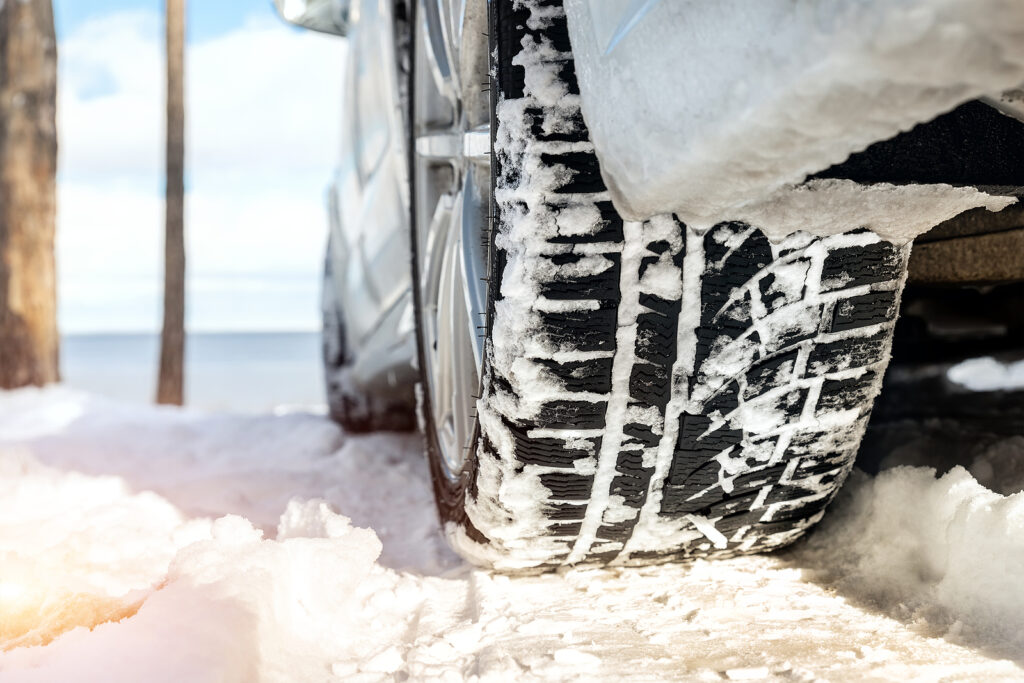
The colder climate in winter can cause your tires to lose air at a faster rate. Not only should you inspect your tire pressure before every drive, but you should also have your tires inspected and serviced by a professional shop to ensure they are prepared for winter conditions. A tire rotation and balance are usually all you need, but you might have to replace a tire or two. Traction is essential when it comes to ice and show, so do not skip this maintenance!

Brake Care

Along with tires, your brakes are the most important safety feature on your vehicle when it comes to traction and control. Have your brakes inspected and serviced to ensure safe winter driving. You may need to replace your brake pads or rotors, or even refill your braking fluid.

Car Fluid Fill Ups

Your vehicle, no matter the make or model, requires 7 essential automotive fluids. Although windshield wiper fluid isn’t always necessary in the winter, the remaining six certainly are. They include motor oil, power steering, brake, coolant, battery, and transmission fluid. Be sure your vehicle is filled up before hitting the winter roads.

Fuel Stabilization

Sometimes the weather can get so cold, your fuel can freeze up or go bad, which can also affect the carburetor. This is more common in vehicles that are parked outdoors. Adding a fuel stabilizer to your tank can help prevent your fuel from gumming up, becoming contaminated, or freezing.

Has your vehicle seen too many winters and now it is a total loss? Contact Benjamin’s Junk Cars at 317-218-7133 to get a quote from an experienced Indianapolis junk car buyer who will pay you the highest cash payout for totaled cars in Central Indiana. We provide free junk removal!

Related Posts:

What You Should Know About Car Radiator Replacement
Step By Step Guide for an Overheating Car Engine
What is a Flex-Fuel Car Engine?

Central Indiana Junk Car Buyers
Call Today 317-218-7133

How to Dispose of Toxic Car Parts and Materials

Not all car parts and material are bad for the environment, the ones that are should be carefully disposed of according to all local, state, and EPA regulations. The top three most toxic automotive parts and materials are car batteries, old motor oil, and old gasoline. Continue below to learn exactly how to get rid of each automotive part, safely and within the boundaries of the law.

Car Battery Recycling Indianapolis IN 317-218-7133

Old Gasoline

There could be many reasons why you have old fuel stores in your possession. Whether you are siphoning a junk car that is being prepared for salvage, storing fuel for lawn and construction equipment, or keep back up gasoline for your motorized bikes, it is important to periodically inspect your fuel to ensure it is still good for use. Gasoline and other forms of fuel do expire; and once expired, they lose their optimal function.

So, how do you throw out old gas and diesel? The answer is, responsibly. You must contact your local waste management center or garbage facility to inquire about the local regulations for fuel disposal. In most cases, you will be instructed to drop the fuel off at their disposal center. If they do not have answers for you, contact the city’s hazardous waste disposal program. They should be able to instruct you on your options. Regardless of which option you choose, you must have all fuel stored in government-certified containers, like the conventional red, plastic cans you see at gas stations.

Car Batteries

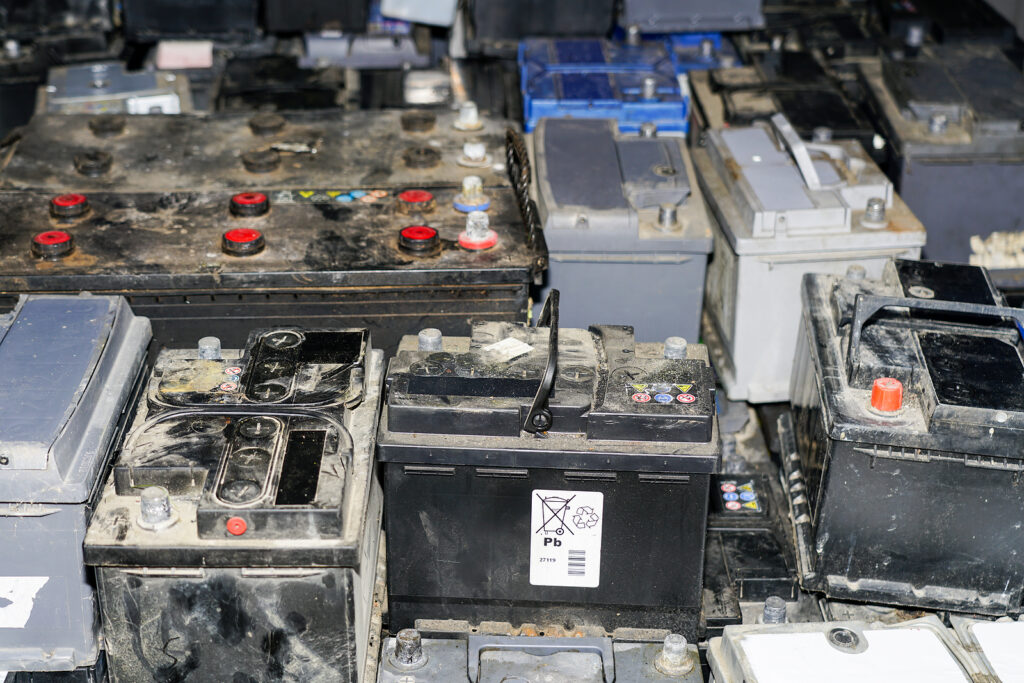
You might think car batteries are unsuspecting hazards, but the reality is that they pose several environmental threats if not disposed of properly. Old car batteries contain unsafe and toxic materials, like lead, sulfuric acid, and chemicals. To get rid of an old car battery safely and legally, you must follow the same steps as you would for old fuel disposal. Contact your local waste management center. However, car batteries are 100% recyclable, so your best course of action would be to take it to an Indianapolis auto salvage lot for safe recycling. You may even earn some cash!

Dirty Motor Oil

Dirty motor oil, if improperly disposed of, can cause a significant amount of harm to the local environment. To safely throw out dirty motor oil, contact your local Household Hazardous Waste collection center. Your community may have a designated oil collection tank or container for public use. If you do not have access to a community collection center, you may have luck with local auto repair shops, oil change garages, and service stations. Businesses like these sometimes advertise as an oil collection site, but typically charge a fee.

Do you have old car parts or an entire junked car that you would be willing to sell for cash on the spot? Of course, you would! Contact Benjamin’s Junk Cars at 317-218-7133 to sell junk car parts in Indianapolis, Indiana. Get a free quote, today!

Related Posts:

How to Get Rid of Old Gasoline
3 Ingredients to Clean Up Gasoline Spills in the Car
What You Want to Know About Diesel Car Engines