
Taking your car out for a drive feels freeing, but that freedom comes with a significant responsibility to keep yourself and others safe. Your braking system is the most critical safety feature on your vehicle. When you press down on that pedal, you trust that your car will slow down and come to a complete stop.
Unfortunately, brake parts wear down gradually over time. Because this degradation happens slowly, many drivers fail to notice the subtle changes in their stopping power until a serious issue arises. Ignoring brake maintenance can lead to stressful driving experiences, dangerous accidents, and extremely expensive repair bills.
Understanding how your brakes function and recognizing the early warning signs of wear can help you maintain peak vehicle safety. This guide will walk you through everything you need to know about your car’s brakes, from basic mechanics to recognizing when it is time for a replacement.
Understanding Your Car’s Braking System
Key Components of Your Brakes
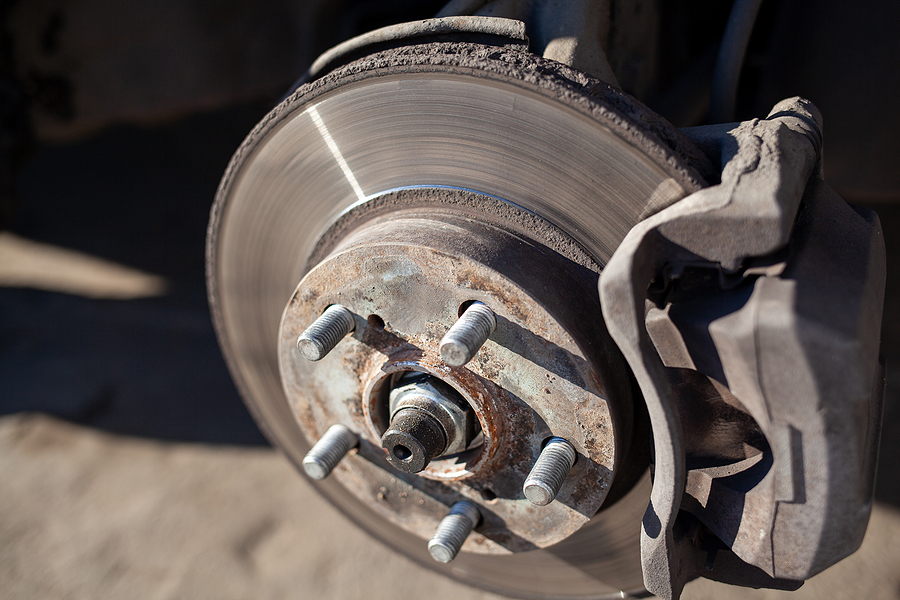
Modern vehicles rely on a complex network of parts to safely halt thousands of pounds of moving metal. The most common setup involves disc brakes on the front wheels and sometimes drum brakes on the rear. Key components include brake pads, brake rotors (the metal discs your pads squeeze against), brake calipers, and brake lines. If your car uses drum brakes, it will have brake shoes inside a hollow drum. Brake shoes typically last much longer than brake pads and undertake a lower proportion of the braking work since they sit on the rear axle.
How Brakes Work: A Quick Overview
Most cars use a hydraulic braking system. When you press the brake pedal, you push a plunger inside the master cylinder. This forces brake fluid—typically containing glycol ethers—through the brake lines. The fluid transmits and multiplies the hydraulic pressure, forcing the calipers to squeeze the brake pads against the spinning rotors. The resulting friction creates immense heat and physically slows the wheels down.
Signs You Need Brake Maintenance or Replacement
Common Warning Signs of Brake Wear
Your car will usually communicate with you when its brake components need attention. One of the most common signs is a high-pitched squealing noise when you apply the brakes. This sound comes from a small metal indicator built into the brake pad designed to alert you that the pad is getting too thin. If you hear a harsh grinding noise, the pads have likely worn away completely, and metal is actively scraping against metal.
Recognizing Reduced Braking Performance
Listen to your car, but also pay attention to how it feels. If you feel a vibration or pulsing in the steering wheel or brake pedal when stopping, your rotors might be warped or unevenly worn. A “spongy” brake pedal that sinks closer to the floor than usual often indicates air in the hydraulic brake lines or a fluid leak. Additionally, if your vehicle takes longer to stop than it used to, your braking system requires immediate inspection.
The Dangers of Neglecting Brake Maintenance
Increased Accident Risk
Brake failure puts you, your passengers, and pedestrians in direct danger. A worn braking system significantly increases your stopping distance. In emergency situations, an extra few feet of stopping distance can be the difference between a near miss and a severe collision.
Costly Repairs Down the Road
Failing to replace affordable brake pads on time often destroys the much more expensive brake rotors. When the soft friction material on the pad wears away, the hard metal backing plate carves deep grooves into the rotor. What could have been a simple pad replacement quickly turns into a comprehensive, high-cost overhaul of the entire wheel assembly.
A Comprehensive Guide to Brake Inspection
When and How Often to Check Your Brakes
As a general rule, mechanics recommend having your brakes inspected every time you get your tires rotated, which is typically every 5,000 to 7,000 miles. However, if you drive in heavy stop-and-go city traffic, you might need more frequent checks.
DIY Brake Checks vs. Professional Inspections
You can perform a visual check at home by looking through the spokes of your wheels. If the brake pad material appears less than a quarter-inch thick, it is time for a change. However, a professional inspection goes much deeper. Technicians will remove the wheels to measure pad thickness accurately, check the brake fluid condition, and inspect the hydraulic lines for dangerous leaks.
Replacing Your Brakes: What You Need to Know
Types of Brake Pads and Rotors
When it comes time to replace your pads, you have a few material options to consider:
- Organic pads: These are the softest and quietest pads available. They are great for gentle driving but wear out the fastest.
- Semi-metallic pads: These offer excellent stopping power and durability, making them highly popular, though they can be slightly noisier and produce more brake dust.
- Ceramic pads: These pads last longer than metallic ones and produce very little dust. They offer consistent performance but generally come with a higher price tag.
The Replacement Process: A Brief Explanation
A standard brake job involves securing the vehicle on a lift, removing the wheels, and unbolting the brake calipers. The mechanic will then remove the old pads and assess the rotors. If the rotors are grooved or warped, they will be resurfaced or entirely replaced. Finally, the new pads are installed, the caliper is reattached, and the system is tested for proper hydraulic pressure.
Tips for Extending Brake Lifespan
Driving Habits that Affect Brake Wear
Your driving style heavily influences how long your brakes last. Aggressive driving with heavy, last-minute braking generates excessive heat and wears down the friction material rapidly. To extend the life of your brakes, try coasting to lower your speed before applying the pedal, and leave plenty of following distance between you and the car ahead.
Regular Maintenance Practices
Beyond changing the pads, keep your brake fluid fresh. Brake fluid naturally absorbs moisture over time, which lowers its boiling point and reduces hydraulic efficiency. Flushing your brake fluid every two years keeps the internal components safe from corrosion and ensures a firm, responsive brake pedal.
FAQ Section
How long do car brakes typically last?
Brake pads generally last anywhere from 25,000 to 65,000 miles. The exact lifespan depends heavily on your driving habits, the environment you drive in, and the type of brake pad material installed.
Can I replace my brakes myself?
If you have mechanical experience and the right tools, replacing brake pads is a manageable DIY project. However, because the braking system is vital for your safety, it is always safest to have a certified professional handle the replacement if you are unsure of the process.
What’s the difference between brake pads and brake shoes?
Brake pads are used in disc brake systems and squeeze against a flat metal rotor to stop the car. Brake shoes are used in older or rear-axle drum brake systems and push outward against the inside of a hollow metal drum.
How much does a brake job usually cost?
The cost varies based on your vehicle make and the quality of the parts. On average, replacing brake pads and rotors for one axle can cost between $250 and $500, though luxury vehicles or heavy-duty trucks will cost more.
Is it safe to drive with squeaky brakes?
A minor squeak early in the morning can simply be caused by harmless moisture or dust. However, a persistent, loud squeal usually means the brake pad wear indicators are rubbing against the rotor. You should have the vehicle inspected promptly to prevent safety hazards.
Prioritizing Brake Health for a Safer Drive
Your car’s braking system works incredibly hard every time you hit the road. By paying attention to squeals, monitoring the feel of your brake pedal, and committing to regular maintenance, you protect your wallet from massive repair bills. More importantly, you protect the safety of everyone inside and outside your vehicle.
If your vehicle has reached the point where the cost of a brake job exceeds the value of the car itself, it might be time to let it go. Scrap your junk car for cash with Benjamin’s Junk Cars in Indianapolis. Get a free offer and free towing today.
Related Post: The Essential Guide to DIY Car Maintenance and Repairs