Your Junk Car’s VIN: What You Need to Know

Selling a junk car can seem like a straightforward process, but one small detail holds significant weight: the Vehicle Identification Number, or VIN. This 17-character code is more than just a random sequence of letters and numbers; it’s the unique identity of your vehicle. Understanding your junk car’s VIN is crucial for a smooth and secure transaction, ensuring you receive fair value and avoid potential legal issues.

This guide will explain what a VIN is, why it matters when you sell your car for cash, and how to protect yourself from common scams. With this knowledge, you can navigate the process with confidence and ensure you’re working with reputable junk car buyers.

Call 317-218-7133 to Get an Offer From an Indianapolis Junk Car Buyer

What is a Vehicle Identification Number (VIN)?

A Vehicle Identification Number (VIN) is a unique 17-character code assigned to every motor vehicle when it’s manufactured. Think of it as your car’s fingerprint. No two vehicles have the same VIN. This code is a standard used across the globe, allowing manufacturers, authorities, and buyers to track a vehicle’s history from the factory floor to the scrapyard.

The VIN contains vital information, including:

  • Country of origin, manufacturer, and vehicle type: The first few characters identify where and by whom the vehicle was made.
  • Vehicle attributes: This section details specifics like the model, engine size, and body style.
  • Model year and manufacturing plant: The VIN indicates the year the car was produced and the specific factory where it was assembled.
  • Unique serial number: The final digits are a sequential number unique to that specific vehicle.

How to Find Your Car’s VIN

Locating the VIN on your vehicle is simple. The most common and easily accessible spot is on the driver’s side of the dashboard, visible through the windshield from the outside.

Other places you can find the VIN include:

  • On the driver’s side doorjamb or post (look for a sticker when you open the door).
  • On the vehicle’s title, registration, and insurance documents.
  • Stamped on the engine block or vehicle frame.

When you’re preparing to sell your junk car, make sure the VIN is legible in at least one of these locations.

Decoding Your Vehicle’s VIN

Each character in the 17-digit VIN has a specific meaning. While you don’t need to memorize the entire system, having a basic understanding can be helpful.

Here’s a general breakdown:

  • Character 1 (Country of Origin): Identifies the country where the vehicle was built (e.g., ‘1’ for the USA, ‘2’ for Canada, ‘J’ for Japan).
  • Characters 2-3 (Manufacturer): Specifies the vehicle’s manufacturer (e.g., ‘G’ for General Motors, ‘F’ for Ford).
  • Characters 4-8 (Vehicle Attributes): These describe the vehicle’s model, body style, engine type, and safety features.
  • Character 9 (Check Digit): A security code that verifies the authenticity of the VIN.
  • Character 10 (Model Year): A letter or number representing the vehicle’s model year.
  • Character 11 (Assembly Plant): Indicates the specific factory where the vehicle was assembled.
  • Characters 12-17 (Serial Number): The unique serial number for the vehicle.

Several free online VIN decoders can provide a detailed report on your vehicle’s specifications with just a few clicks. We recommend sites like NHTSA.gov.

Our Junk Car Buying Process: Get Started Now

Why is the VIN Important When Selling a Junk Car?

When you’re ready to sell your car for cash, the VIN becomes the most critical piece of information for both you and the buyer. It serves as the primary tool for verifying vehicle ownership other than the car title.

The VIN as Proof of Ownership

A legitimate junk car buyer will always require the VIN to confirm that you are the legal owner of the vehicle. This is done by matching the VIN on the car to the VIN on the title or registration documents. This step is a crucial protection against buying stolen vehicles. Without clear proof of ownership, a reputable company cannot legally purchase your car.

Determining Vehicle Value

Although you’re selling a “junk” car, its components may still have value. The VIN allows buyers to look up the exact make, model, and year, helping them determine the vehicle’s weight, parts that can be salvaged, and its overall scrap value.

Ensuring a Legal Transaction

The VIN is essential for completing the necessary paperwork to transfer ownership. This includes the bill of sale and the title transfer. A correct VIN on all documents protects you from future liability. Once the sale is documented, you are no longer legally responsible for the vehicle.

Common VIN Scams and Issues to Avoid

The VIN is a powerful tool, but it can also be exploited in fraudulent activities. Being aware of these scams is your best defense.

  • VIN Cloning: This is an illegal practice where criminals steal a VIN from a legally registered car and place it on a stolen vehicle of the same make and model to hide its identity.
  • Title Washing: Scammers use this process to remove a “brand” from a vehicle’s title, such as a salvage or flood damage designation. They move the car through states with lax title laws to obtain a clean title, hiding its problematic history.
  • VIN Fraud in Junk Car Sales: Unscrupulous buyers might try to offer you a lowball price by claiming your car has a “bad” history based on a falsified VIN report. Always use a reputable source to check your vehicle’s history.
  • Mismatched VINs: If the VIN on your dashboard doesn’t match the number on your title, it’s a major red flag. This can result from a simple clerical error or be a sign of significant fraud. Resolve any discrepancies with your local DMV before attempting to sell the car.

What to Do if You Have a VIN-Related Issue

If you discover an issue with your VIN, such as a mismatch with your title, contact your state’s Department of Motor Vehicles (DMV) immediately. They can help you investigate the problem and correct any clerical errors. Do not attempt to sell a vehicle with a known VIN discrepancy, as this could lead to legal trouble.

When dealing with auto salvage yards, trust your instincts. If a buyer seems unconcerned about the VIN or pressures you to complete a sale without proper documentation, walk away. Legitimate businesses understand the importance of following legal procedures.

Conclusion

Your car’s Vehicle Identification Number is the key to a successful and secure sale. It protects you as the seller, ensures a fair valuation, and guarantees that the transfer of ownership is handled legally. By understanding the role of the VIN, you can confidently navigate the selling process and avoid potential pitfalls.

Ready to see what your junk car is worth? With your VIN and a few details about your vehicle, you can receive an instant, no-obligation quote from a trusted buyer who values transparency and integrity.

Call For a Cash Offer Now

Related Post: Indiana Car Title Transfer: Scrapping a Junk Car
Indiana Car Title Transfer: Scrapping a Junk Car

An old, non-functional car sitting in your driveway can be more than just an eyesore; it’s a potential source of cash. The Indiana auto salvage market provides an opportunity to dispose of your junk car responsibly while making some money. However, the process involves legal paperwork, specifically a car title transfer, which can feel complicated.

This guide will walk you through everything you need to know about transferring a car title for a junk car in Indiana. We’ll cover the state’s legal requirements, provide a step-by-step process, and help you avoid common pitfalls. By the end, you’ll understand how to properly handle your junk car’s proof of ownership and connect with reputable buyers.

Call 317-218-7133 to Get Started With Our Easy Junk Car Scrapping Process in Indianapolis Indiana

Indiana Title Transfer Rules for Junk Cars

Before you can sell your junk car, it’s important to understand the legal framework governed by the Indiana Bureau of Motor Vehicles (BMV). Under Indiana Code Title 9, all vehicles must have a title to prove ownership. When you sell or scrap a car, this title must be legally transferred to the new owner, which in this case is often an auto salvage yard or a junk car buyer.

Properly transferring the title is not just a formality; it releases you from liability for the vehicle. If you fail to transfer the title, you could be held responsible for any future issues involving the car, including parking tickets or its use in illegal activities. The Indiana Administrative Code Title 140 further details the procedures for salvage titles and vehicle disposal, emphasizing the importance of accurate documentation.

How to Transfer Your Car Title When Scrapping

Transferring your car title is a straightforward process if you follow the correct steps. Here’s how to do it in Indiana.

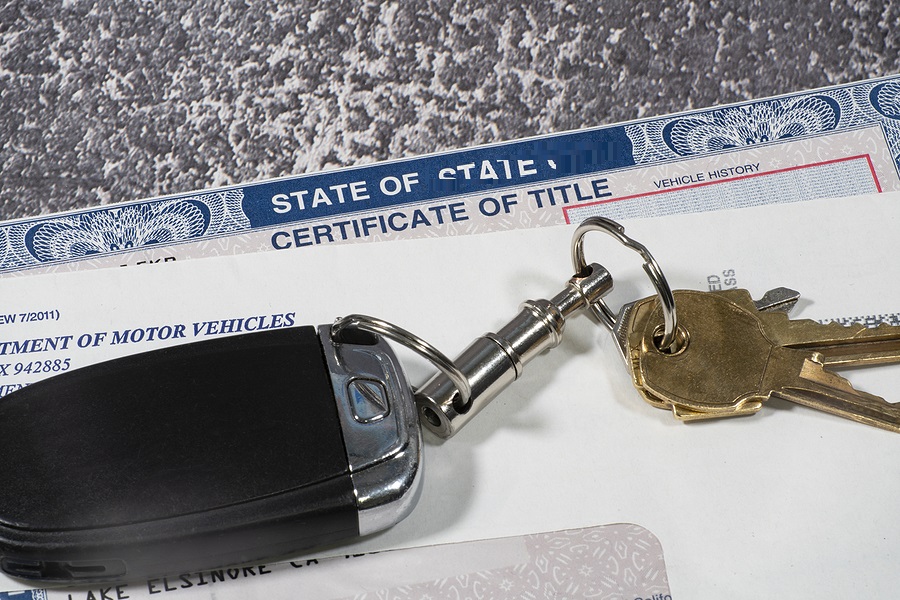
Step 1: Locate Your Car Title

The first step is to find the original car title. This document is your official proof of ownership. Make sure the Vehicle Identification Number (VIN) on the title matches the VIN on your car. The VIN is typically located on the driver’s side dashboard or doorjamb.

Step 2: Complete the Title Assignment

On the back of the Indiana car title, you’ll find a section for “Assignment of Title by Owner.” You need to fill this out completely and accurately.

  • Buyer’s Information: Write the full name and address of the buyer (the auto salvage yard or individual). Reputable junk car buyers will provide you with this information.
  • Odometer Reading: Record the vehicle’s mileage. Even if the car is not operational, you must provide the last known reading.
  • Sale Price: Enter the amount you sold the car for.
  • Your Signature: Sign and print your name exactly as it appears on the front of the title. If the car is co-owned, both owners must sign.

Do not use white-out or cross out information, as this can void the title. If you make a mistake, you may need to apply for a duplicate car title.

Step 3: Provide a Bill of Sale

While not always legally required in Indiana for every private sale, creating a Bill of Sale is a smart move. This document serves as a receipt for both you and the buyer. It should include:

  • The date of the sale
  • The vehicle’s year, make, model, and VIN
  • The sale price
  • The names and signatures of both the buyer and seller

Step 4: Remove Your License Plates

Before the junk car buyer tows your vehicle away, remove your license plates. You can transfer these plates to another vehicle or return them to the BMV. Never let the buyer take the car with your plates on it.

Step 5: Notify the BMV

After the sale, it’s a good idea to keep a copy of the completed title and Bill of Sale for your records. Some states require sellers to notify them of the sale, but in Indiana, the responsibility falls on the buyer to apply for a new title in their name. However, having your own documentation protects you if any disputes arise.

Common Mistakes and Scams to Avoid

Selling a junk car should be a simple transaction, but unfortunately, some buyers may try to take advantage of sellers. Here are common mistakes and red flags to watch out for:

  • Leaving the Title Blank: A buyer might ask you to sign the title but leave the buyer information section empty. This is known as “title jumping” and is illegal. It allows the buyer to resell the car without ever registering it in their name, potentially leaving you liable.
  • Not Getting a Receipt: Always get a Bill of Sale or a receipt from the buyer. This is your proof that the vehicle is no longer yours.
  • Last-Minute Price Haggling: Some tow truck drivers will try to offer you less money than the agreed-upon price when they arrive. Stick to the original quote you received from reputable junk car buyers.
  • Hidden Towing Fees: A trustworthy auto salvage company will provide free junk car removal in their offer. Be wary of any buyer who tries to charge you for towing after the fact.

If you suspect a buyer is trying to scam you, refuse the sale and look for a different buyer. Working with an established business like Benjamin’s Junk Cars in Indianapolis can provide peace of mind.

Get Your Free Junk Car Cash Offer Right Now!

What to Do If You Lost Your Car Title

Losing your car title can feel like a major roadblock, but it’s a common problem with a clear solution. If your car title is lost, stolen, or damaged, you can apply for a duplicate car title from the Indiana BMV.

To get a duplicate title, you will need to complete the “Application for Certificate of Title” (Form 205). You can submit this form at a BMV branch or by mail. There is a fee for this service, but having a clean title is necessary to legally sell your vehicle and get the best junk car value. In most cases, selling a car in Indiana without a title is not possible, as junk yards are legally required to obtain it.

Frequently Asked Questions

What documents do I need to transfer a car title in Indiana?

You will need the original Certificate of Title. It’s also recommended to create a Bill of Sale for your records.

What if I lost my car title?

You can apply for a duplicate car title through the Indiana BMV by filling out the required application and paying a fee.

Where can I find reputable junk car buyers in Indiana?

Look for well-established businesses with positive online reviews and transparent processes. Companies like Benjamin’s Junk Cars in Indianapolis are known for their reliable service.

How is the value of a junk car determined?

The value depends on factors like the car’s weight in scrap metal, its make and model, the condition of its parts, and the current market price for scrap.

Are there any fees associated with transferring a car title?

The seller does not typically pay a fee to transfer the title. However, if you need to get a duplicate car title, there will be a fee payable to the BMV.

Can I sell a junk car without a title in Indiana?

Generally, no. State law requires a title for the legal sale and transfer of a vehicle. Reputable salvage yards will not buy a car without a title.

How long does it take to transfer a car title?

The paperwork for the seller can be completed in minutes. The buyer is then responsible for submitting the paperwork to the BMV to get a new title, which can take a few weeks.

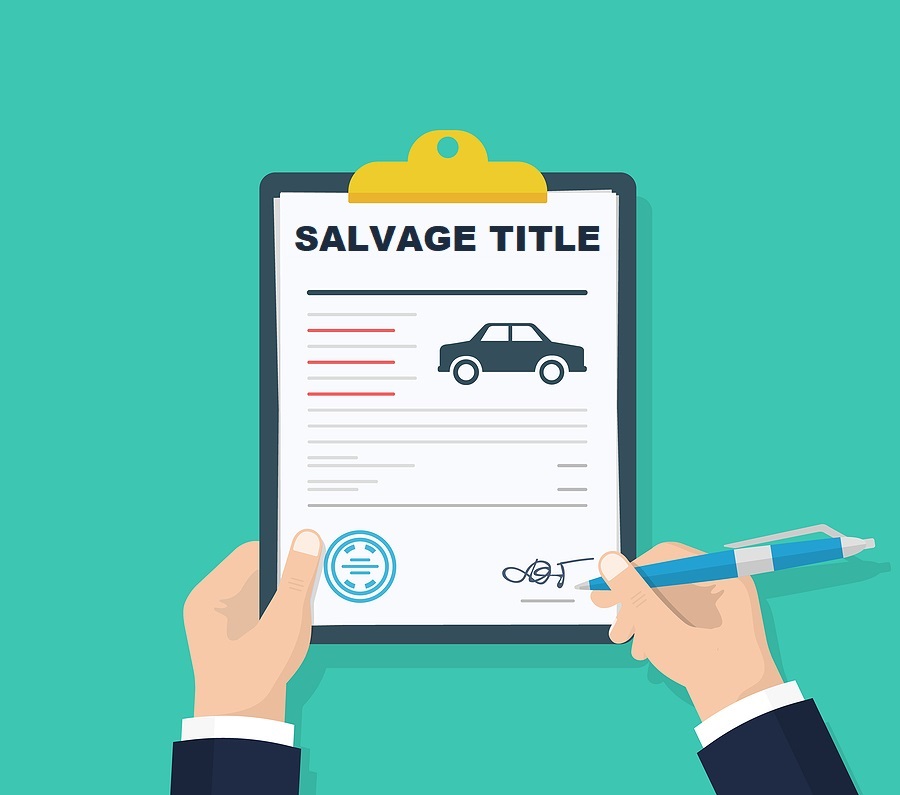
What is a salvaged title?

A salvaged title is issued for a vehicle that has been declared a total loss by an insurance company. These vehicles can be rebuilt, but they must pass a specific inspection before they can be legally driven again.

What are the penalties for not transferring a car title properly?

Failing to properly transfer a title can leave you legally responsible for the vehicle. This means you could be liable for tickets, fines, or any crimes committed with the car.

Your Next Steps

Selling a junk car in Indiana doesn’t have to be a complicated ordeal. By ensuring your paperwork is in order, particularly the car title transfer, you can complete the process smoothly and legally. Remember to work with reputable junk car buyers to avoid scams and receive a fair price for your vehicle.

If you’re ready to turn your old car into cash, the first step is getting a quote. A professional auto salvage company can assess your car’s value and guide you through the final steps.

Ready to see what your junk car is worth? Contact Us Today for a free, no-obligation quote! We offer free scrap car removal and towing services—no hidden fees and cash on the spot!

Call Now to Get Your Offer

Related Post: Step by Step Guide to Replacing a Lost Car Title in Indiana

Beyond Repair: Understanding the Ins and Outs of Total Loss Vehicles

Owning a car is often a mix of complex emotions. It’s the sense of freedom on the open road paired with the fear of the unknown—like, what do you do when the unthinkable happens and your beloved vehicle is deemed “beyond repair”? Total loss vehicles can be a maze for the uninitiated, but the decisions you make in the aftermath are crucial. This guide is your companion to understanding and navigating the landscape of totaled cars, ensuring you make informed choices when the worst comes to pass.

Call 317-218-7133 to Sell to Our Totaled Car Buyers in Indianapolis Indiana

What Qualifies as a Total Loss Vehicle?

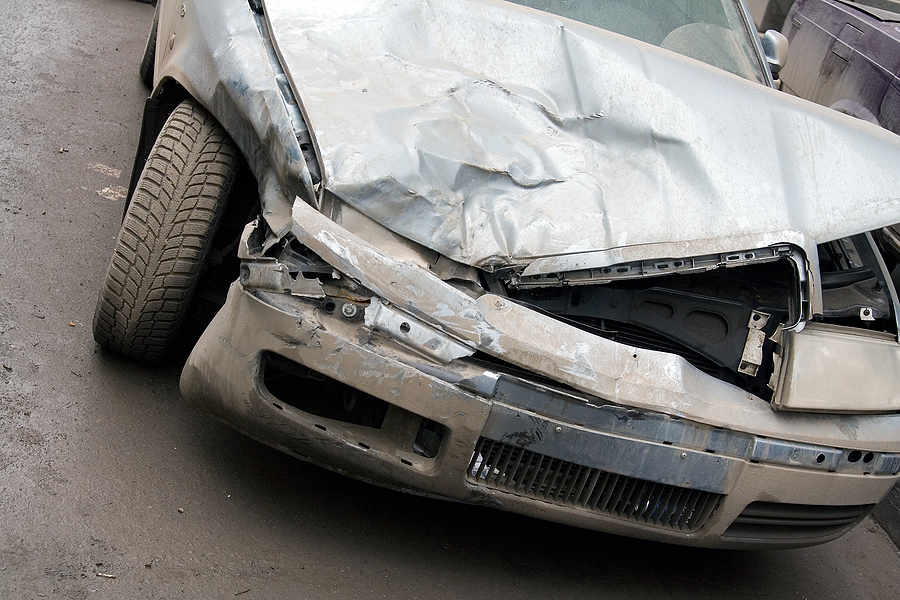
To demystify this often-confusing term, a vehicle is declared a total loss when the cost to repair it goes beyond a specified percentage of the vehicle’s value. This threshold varies by state and by insurer but generally falls between 70% to 100%. If repairing the car is feasible but the repairs would cost more than the vehicle’s actual cash value (ACV), the insurance company will write a check for the car’s ACV, leaving the owner to make up the difference.

Factors affecting this declaration can span from straightforward accident damage to subtler issues like flooding. Understanding the fine line between repairable and irreparable damage is key here. Knowing whether you’re being offered the car’s actual cash value or the cost to replace it can save you from receiving a settlement that’s less than you anticipated.

The Aftermath of a Total Loss Declaration

The insurance claim process for a total loss vehicle is both necessary and inevitable. It usually involves reporting the damage, getting a damage assessment, and receiving a settlement offer. For those without insurance, the process can be even more overwhelming. The most assured recourse in this situation would be to scrap it at a local auto salvage yard. Otherwise, knowing when to involve legal counsel, how to advocate for yourself, and what documentation is necessary can minimize the stress during this challenging time.

Insurance is a buffer against the costs of loss and recovery, but when the insurance policy lapses, or when the offered settlement isn’t enough to cover your needs, you might feel like you’ve hit a wall. In these scenarios, exploring your legal rights and looking for financial assistance could be the way forward.

Options for a Totaled Car

The silver lining after a total loss declaration is the choices it affords you. You might opt to retain the vehicle, especially if it holds sentimental value or if you believe you can restore it. However, be ready for the red tape as titles of retained total loss vehicles are typically marked with “salvage” or “reconstructed,” which can affect its value and require additional steps to re-register it.

Selling the car to a junkyard or donating it could be a quick way to part ways without much hassle. If you choose to accept the settlement offer, it’s important to ensure the amount is fair. Shopping around for comparable vehicle prices can help in this assessment. Above all, selecting the right option hinges on your personal circumstances and future plans.

Conclusion

Navigating the road of total loss vehicles isn’t just about bureaucracy and regulations; it’s a personal odyssey. Whether it’s learning how insurance companies operate or discovering the multiple pathways available to you after the loss, every decision counts. By understanding the criteria for total loss, the steps to claim insurance, and the myriad post-declaration options, you ensure that even in the shadow of loss, your next move is an empowered one.

And remember, every end is a new beginning. Even when your car is beyond repair, it’s not the end of the road. Embrace the process, make the best decision for your situation, and pave the way for a new set of wheels and a fresh chapter. And if you decide to sell that total loss vehicle, remember you can always convert it into cash on the spot by reaching out to your local junk car buyer.

This comprehensive guide should equip you to handle total loss scenarios with confidence and understanding. Knowledge empowers you to take control and turn a challenging event into a catalyst for informed decisions and, ultimately, a positive transition.

Your total loss vehicle may be more valuable than you think – it’s time to find out its worth. Contact Benjamin’s Junk Cars at 317-218-7133 to get a free quote and sell your junk car in Indianapolis for an instant cash payout. We serve all of Central Indiana with free junk car removal.

Related Posts:

What To Do if You Just Totaled an Uninsured Car
Frequently Asked Questions About Total Loss Car Value
When Does a Car Turn Into a Junk Car?

Step by Step Guide to Replacing a Lost Car Title in Indiana

Have you lost or had your car title stolen in Indiana? If so, you will need to replace it as soon as possible. Getting a car title replacement can be challenging and time consuming, especially if it’s your first time doing it. Fortunately, we’re here to help make the process easier for you! In this blog post we will provide a comprehensive step-by-step guide on how to replace a car title in Indiana. We’ll cover everything from gathering the necessary documents and filling out forms, to submitting them at your local BMV office. So, let’s get started!

Call 317-218-7133 For Indianapolis Cash For Cars Now!

How to Replace a Lost or Stolen Car Title

Step 1: Gather the Required Documents

To begin, you will need to collect all of the required documents. These include a car title application signed by either both car owners (if jointly owned) or just one car owner (for single ownership), proof of identity for all car owners, payment for applicable fees, and proof of car registration. You can find out exactly which documents are necessary at your local BMV office.

Step 2: Fill Out the Forms

Now it’s time to fill out the forms. Start off with a car title application form, which you can get from your local BMV office. This must be completed by car owners in its entirety and signed before submission. If there is more than one car owner, they must both sign in order for the car title to be valid. Additionally, you may need to fill out other forms such as a car insurance verification form or a car lien release form, depending on your situation.

Step 3: Submit Your Documents and Forms at Your Local BMV Office

Once you have gathered all of the necessary documents and filled out all of the related forms, it is time to submit them at your local BMV office. You will also need to pay applicable fees during this step. Make sure that all documents are legible and complete before submitting them – otherwise they could be rejected which could delay your car title replacement process further.

Common Mistakes When Replacing a Lost Car Title in Indiana

Replacing a car title in Indiana may seem intimidating, but it does not need to be. The process may be more complex than simply ordering a new car title online, however if done correctly you can easily obtain the documents you need. When replacing car titles, many people make the mistake of not verifying their identity or having all of their documents validated by the Department of Motor Vehicles (DMV) first. This can lead to time-consuming delays or even rejections that could have been avoided.

Additionally, just because someone is co-owner on the car title doesn’t guarantee they have the right to replace it; usually both parties must authorize car title replacement— so it’s important to check with your state’s DMV beforehand. Overall, understanding the car title replacement process can save you time and energy when replacing titles in Indiana.

What You Need to Know About Car Titles for Junk Cars

In Indiana, you are required to present a car title if you wish to sell a junk car for cash. Although there are other automotive documents that can prove ownership of a vehicle, the car title is the most valuable and effective document for cash for cars. If you do not have a car title for your junk car, no problem! Just follow the above guide on how to replace a lost or stolen car title in Indiana!

Are you trying to get the highest possible price for your scrap car? Look no further than our reliable auto salvage center! We guarantee to give you top dollar in return. Contact Benjamin’s Junk Cars at 317-218-7133 to sell a junk car in Indianapolis, Indiana for cash on the spot. We provide free junk car haul away, so all you need to do is call!

Related Posts:

What You Need To Know Before Selling a Junk Car
How to Turn Your Junk Car into a Profit
The 101 on Selling a Junk Car in Indiana

How to Perform a Vehicle History Check

Knowing the history of a vehicle is important, whether you are a seller, buyer, or even a passenger. A car’s history is much like our own medical history, containing the evolutionary curve of its life and performance. Fortunately, anyone who wishes to perform a vehicle history can do so with ease, thanks to the National Motor Vehicle Title Information System (NMVTIS).

Continue below to learn how you can do a car history analysis on your vehicle, and what to do if it has reached the end of their life.

Indianapolis Junk Car Buyers 317-218-7133
Indianapolis Junk Car Buyer 317-218-7133

The National Motor Vehicle Title Information System (NMVTIS)

The National Motor Vehicle Title Information System (NMVTIS) is a database that contains information about all registered vehicles in the United States. This database does a lot for our society. It protects us against car title fraud, stolen vehicles from being resold, and buying vehicles that are not road safe. You can visit the NMVTIS website and obtain a vehicle history report, anytime. Keep in mind, these reports are not free, and will require a credit card or electronic payment.

Approved Data Providers for Consumers

You can also choose from a selection of approved NMVTIS data providers, and perhaps, pay a smaller fee. However, such providers might offer their services in packages, meaning you must pay more for more information. For instance, a comprehensive vehicle report might cost more than a basic vehicle history report. Keep your eyes open for the best data collection options.

It is important to understand that NMVTIS data providers like Carfax, DMVDesk, and Experian do not serve consumers. They only give such data to dealerships and similar commercial marketing enterprises. If you do not wish to use NMVTIS database, consider a reputable car records database to research the history of a vehicle, such as KBB, National Automobile Dealers Association’s (NADA), or Consumer Reports.

Junk Cars

If your vehicle is past the point of no return, consider selling it to a junk car buyer for instant cash. Junk car buyers accept all motorized vehicles, including farm and construction equipment, regardless of their condition. It doesn’t have to be running, or even all in one piece. They will pay you cash for it no matter how worthless you think it may be! It is important to find the right buyer if you want to make as much as you can from selling your entire junk car. Find a junk car buyer who has the technologies capable of assessing the true value of your vehicle, like electronic platform scales. True junk car professionals will tell you exactly how it works upfront, pay cash on the spot, and haul away your vehicle for free. Just be sure to ask which amenities they offer, how much they are willing to pay you for your vehicle, and how soon they can do business.

How to Sell Junk Cars in Indianapolis, Indiana for CASH

Call Benjamin’s Junk Cars at 317-218-7133 to get a free quote for your junk car for cash on the spot. Our experienced Indianapolis Indiana junk car buyers serve all of Indianapolis and its surrounding areas, and pay cash on the spot for all junk cars, regardless of age or condition. We buy cars, trucks, motorcycles, farming equipment, construction equipment, and anything else that runs on fuel. With cash payments, free quotes, and free pickup, there is no easier way to sell a junk car in Central Indiana. Get started today!