What Happens to Recycled Vehicles?

TL;DR: Recycled vehicles are dismantled and transformed into valuable resources. Usable parts are resold, steel is melted down for new products, catalytic converters are processed for precious metals, and fluids are either reused or properly disposed of. Approximately 86% of a vehicle’s material content is recycled, reused, or used for energy recovery.

Key Takeaways:

  • Over 4 million vehicles are recycled annually in the U.S. and Canada
  • Steel recycling from vehicles saves 72% of the energy needed for primary production
  • Catalytic converters contain platinum, palladium, and rhodium that are recovered and reused
  • Recycling one ton of steel saves 2,500 pounds of iron ore, 1,400 pounds of coal, and 120 pounds of limestone
  • Approximately 24 million gallons of motor oil are collected and recycled from vehicles each year

Table of Contents:

  1. The Primary Uses of Recycled Vehicle Parts
  2. How Recycled Steel Benefits the Environment
  3. Recovering Precious Metals from Catalytic Converters
  4. The Role of Recycled Fluids and Plastics
  5. Frequently Asked Questions
  6. Quick Recap
  7. Scrap Your Junk Vehicle in Indianapolis
Call 317-218-7133 to Get Quick Cash for Vehicle Recycling in Indianapolis Indiana

The Primary Uses of Recycled Vehicle Parts

Recycled vehicle parts serve three main purposes: direct reuse, material recycling, and energy recovery. When a vehicle reaches the end of its life, it enters a comprehensive recycling process. The automotive recycling industry employs over 140,000 people in the United States at more than 9,000 locations, generating $32 billion in sales nationwide.

The first step involves identifying and removing parts that can be resold. High-value components like electronic modules, alternators, starter motors, and infotainment systems are carefully extracted if they remain serviceable. These parts provide affordable replacement options for vehicle owners and reduce the demand for new manufacturing.

Even complete engines and transmissions may be removed for remanufacturing. This process restores used parts to like-new condition, offering a more sustainable alternative to producing new components from scratch.

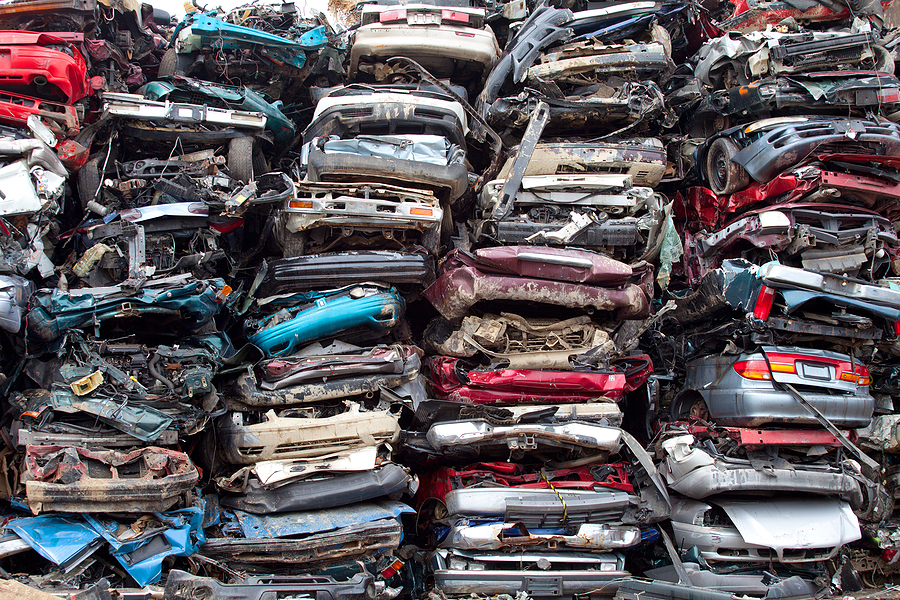
After reusable parts are removed, the remaining vehicle undergoes further dismantling. Hazardous materials and fluids are carefully extracted to prevent environmental contamination. The vehicle shell is then crushed and sent to a shredder, where it’s reduced to fist-sized chunks of metal.

These metal fragments are sorted, with ferrous metals separated from non-ferrous materials. The recovered steel is sold to steel mills, where it’s melted down and used to manufacture new products—from construction materials to new vehicle parts.

How Recycled Steel Benefits the Environment

Recycling steel from vehicles reduces CO₂ emissions by 58% compared to producing steel from raw materials. Steel recycling delivers substantial environmental benefits. Using recycled steel instead of virgin ore saves 72% of the energy needed for primary production. That translates to 4,697 kWh of energy saved per ton of steel recycled.

The conservation extends beyond energy. Every ton of new steel made from scrap conserves 2,500 pounds of iron ore, 1,400 pounds of coal, and 120 pounds of limestone. These savings reduce mining activities and preserve natural resources.

In 2018, recycling 94 million tons of scrap in the EU saved 157 million tons of CO₂—an amount equivalent to all automobiles circulating in France, Great Britain, and Belgium combined. The automotive recycling industry in Massachusetts alone reduces the state’s carbon footprint by at least 2.2 million tons of carbon dioxide annually.

The environmental impact goes further. Using recycled metal instead of virgin ores reduces air pollution by 86%, water pollution by 76%, and water use by 40%.

Approximately 70% of steel produced to date remains in use, demonstrating the material’s durability and recyclability. Steel can be recycled indefinitely without losing its structural properties, making it ideal for a circular economy.

Recovering Precious Metals from Catalytic Converters

Catalytic converters are processed to recover platinum, palladium, and rhodium—precious metals used in new catalytic converters and other industrial applications.

Catalytic converters contain three valuable platinum-group metals (PGMs): platinum, palladium, and rhodium. These metals serve as catalysts to reduce harmful exhaust emissions. In 2021, catalytic converters accounted for approximately 92% of global rhodium consumption, 83% of primary palladium consumption, and 35% of platinum consumption.

The recycling process begins with careful removal of catalytic converters during vehicle dismantling. Recyclers then extract the ceramic substrate containing the precious metals. This material undergoes specialized processing, typically involving pyrometallurgy, where high-temperature smelting separates the metals from other materials.

The secondary supply of platinum, palladium, and rhodium obtained through recycling is significant. In 2021, approximately 168,000 kg of secondary PGMs was recovered globally, accounting for about 28% of the global supply. In the United States alone, approximately 40,000 kg of palladium and 11,000 kg of platinum were recovered from automobile catalytic converters that year.

Spent automotive catalytic converters deliver more than 57% of Europe’s platinum-group metals supply, making them a crucial resource for these valuable materials. The recovered metals are refined and sold back to manufacturers, where they’re used to produce new catalytic converters, closing the loop in a sustainable supply chain.

The Role of Recycled Fluids and Plastics

Fluids extracted from recycled vehicles are either reprocessed for reuse or safely disposed of, while plastics are increasingly being recovered for recycling. Every year, the automotive recycling industry collects and reuses or recycles an estimated 8 million gallons of gasoline and diesel fuel, 24 million gallons of motor oil, 8 million gallons of engine coolant, and 5 million gallons of windshield washer fluid.

Motor Oil Recycling

Used motor oil is one of the most recycled fluids from vehicles. Recycled used motor oil can be re-refined into new oil, processed into fuel oils, and used as raw materials for the petroleum industry. One gallon of used motor oil provides the same 2.5 quarts of lubricating oil as 42 gallons of crude oil.

Re-refined oil must meet the same stringent standards as virgin oil, making it a viable and environmentally responsible alternative. To recycle used oil, processors remove water, insolubles, dirt, heavy metals, nitrogen, chlorine, and oxygenated compounds.

Antifreeze and Coolant

Antifreeze can be recycled through reuse, distillation, filtration, or ion exchange. Most used antifreeze is filtered to remove metals or oil, then new chemicals are added to restore its effectiveness. This process significantly reduces waste and conserves resources.

Other Fluids

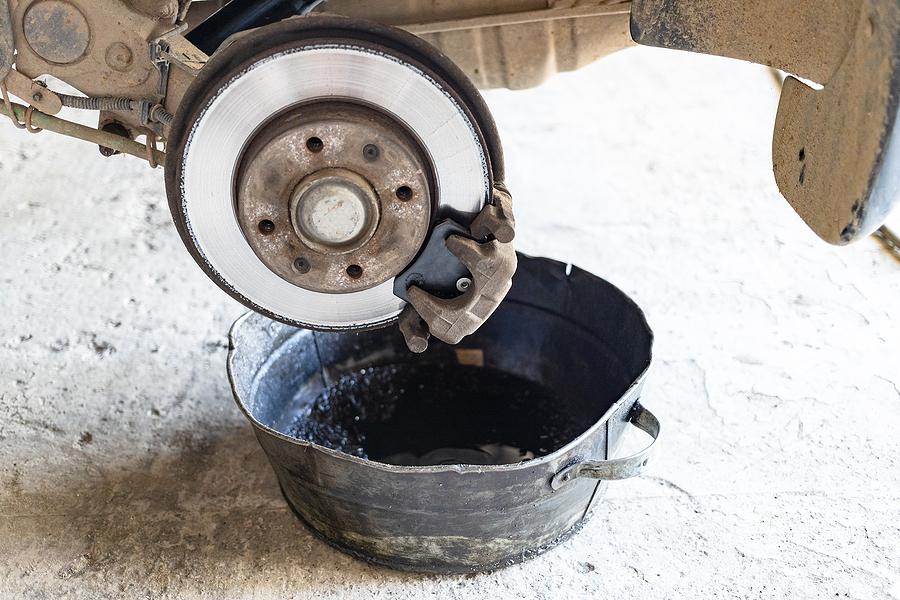
Transmission fluid, unless contaminated, is managed as used oil. Brake fluid, often hazardous due to toxicity and contamination from chlorinated solvents, is collected separately and sent to specialized recyclers. Fuel is either reused within the facility or properly disposed of as hazardous waste.

Plastic Recovery

While recycling plastic from vehicles presents challenges, the industry is making progress. Automotive shredder residue contains approximately 30% polymers. Modern recycling facilities increasingly implement advanced sorting technologies to separate and recover these plastics for reprocessing. Currently, about 75% of vehicle materials can be recycled, with ongoing efforts to increase this percentage and reduce landfill waste.

Frequently Asked Questions

How much of a car can actually be recycled?

Approximately 86% of a vehicle’s material content is recycled, reused, or used for energy recovery. Currently, about 75% of materials are recycled, with 25% ending up in landfills. The industry continues working to increase these percentages through improved technology and processes.

What happens to car batteries when vehicles are recycled?

Lead-acid batteries are one of the most successfully recycled products, with 96% recovered annually. Batteries are tested to determine if they’re reusable. If not, the lead is extracted and recycled, while the battery acid is neutralized or reused. Lithium batteries from hybrid and electric vehicles require special handling and must be recycled as soon as possible to prevent fire hazards.

Are recycled auto parts safe to use?

Yes, when properly tested and installed. Recycled parts like alternators, starter motors, and electronic modules undergo inspection before resale. Many automotive recyclers offer warranties on their parts, providing additional peace of mind for buyers.

How long does the vehicle recycling process take?

The initial dismantling process—removing fluids, batteries, and valuable parts—typically takes a few hours to a few days, depending on the vehicle and facility. Once processed, the remaining shell is crushed and shredded within days. The entire process from arrival to final material sorting generally takes one to two weeks.

What environmental regulations govern vehicle recycling?

The EPA regulates the handling of hazardous materials like mercury switches, lead, refrigerants, and fluids. The End of Life Vehicles Directive in the EU sets clear targets for vehicle recycling and restricts the use of hazardous substances in new vehicles. State and local regulations may impose additional requirements for automotive recyclers.

Can I sell my junk car even if it doesn’t run?

Absolutely. Non-running vehicles still contain valuable materials like steel, aluminum, copper, and platinum-group metals. Reputable junk car buyers will tow your vehicle for free and pay you based on its weight and recyclable content.

Quick Recap:

  • Over 4 million vehicles are recycled annually in the U.S. and Canada, generating $32 billion in sales
  • 86% of vehicle materials are recycled, reused, or used for energy recovery
  • Recycling steel from cars saves 72% of energy compared to primary production and reduces CO₂ emissions by 58%
  • Catalytic converters provide 28% of the global supply of platinum, palladium, and rhodium through recycling
  • 24 million gallons of motor oil are collected annually and can be re-refined into new oil
  • Lead-acid batteries achieve a 96% recycling rate, making them one of the most recycled products
  • Environmental benefits include reduced air pollution (86%), water pollution (76%), and water use (40%)

In Summary

Understanding what happens to recycled vehicles reveals the significant environmental and economic value they provide. From reusable parts to recycled steel and recovered precious metals, every component serves a purpose beyond the vehicle’s roadworthy life.

If you have a junk car taking up space in Indianapolis, Indiana, now’s the time to turn it into cash. We offer fair payouts on the spot and provide free towing—no hassle, no hidden fees. Your old vehicle contains valuable materials that can be recycled responsibly while putting money in your pocket. Contact us today to get a quote and schedule your free pickup.

Call Now to Begin

Related Post: From Rust to Rebirth: The Incredible Journey of Auto Recycling
Hazardous Car Fluid Disposal: Your Safety Guide

TL;DR: Proper disposal of hazardous car fluids is critical for environmental and personal safety. Store them securely, avoid mixing different fluids, and take them to designated drop-off centers or recycling locations. These simple steps protect water supplies, promote safety, and allow materials like motor oil to be recycled and reused.

Key Takeaways:

  • Know the hazards of improper disposal.
  • Find local recycling centers.
  • Consider professional disposal services.

Table of Contents:

  1. Why Can’t I Just Dump Car Fluids?
  2. What Fluids Are Considered Hazardous?
  3. How Do I Safely Store Car Fluids Before Disposal?
  4. Where Can I Recycle Used Motor Oil?
  5. What About Antifreeze? Is That Recyclable?
  6. Can I Recycle Used Brake Fluid and Power Steering Fluid?
  7. Are There Local Regulations I Need to Know?
  8. When Should I Use a Professional Disposal Service?
  9. What Are the Penalties for Illegal Dumping?
  10. Quick Recap: Safe Car Fluid Disposal
  11. Conclusion

Changing your own oil or topping off your coolant gives you a sense of accomplishment that few other household chores can match. It saves you money, helps you understand your vehicle, and keeps your engine running smoothly. However, once the job is done, you are left with a messy, potentially dangerous byproduct: hazardous car fluids.

For many DIY mechanics, the question of what to do with that pan of sludge is the most stressful part of the process. It sits in the corner of the garage, taking up space and posing a risk to children and pets. While it might be tempting to look for a quick fix, improper disposal is a serious environmental and legal issue.

Navigating the rules of disposal does not have to be complicated. Whether you are dealing with used motor oil, old transmission fluid, or mystery liquid from a project car, there are clear, safe, and often free ways to handle it. This guide will walk you through exactly how to manage these fluids responsibly, ensuring you protect both the environment and your community.

Call 317-218-7133 to Get an Offer From Our Indy Junk Car Buyers

Why Can’t I Just Dump Car Fluids?

The short answer is that automotive fluids are incredibly potent pollutants. When these fluids are dumped onto the ground, into a storm drain, or even into a household sink, they do not just disappear. They travel.

Storm drains, in particular, often flow directly into local waterways without being treated. According to the EPA, the oil from a single oil change can contaminate one million gallons of fresh water. That is a year’s supply of water for 50 people. Beyond water contamination, these fluids contain heavy metals and toxic chemicals that poison soil and harm wildlife. Responsible disposal is the only way to ensure these toxins do not end up in our drinking water or local ecosystems.

What Fluids Are Considered Hazardous?

Most liquids that go into a vehicle, aside from windshield washer fluid (though even that requires care), are considered hazardous waste when removed. The most common fluids you will encounter include:

  • Used Motor Oil: Contains dirt, metal scrapings, and chemicals.
  • Antifreeze (Coolant): Usually contains ethylene glycol, which is poisonous to humans and animals.
  • Brake Fluid: Corrosive and often contaminated with heavy metals like copper.
  • Transmission Fluid: Contains various chemical additives.
  • Power Steering Fluid: Similar composition to hydraulic fluids.
  • Gasoline: Highly flammable and toxic.

Treating all of these as hazardous waste is the safest rule of thumb.

How Do I Safely Store Car Fluids Before Disposal?

Proper storage is the most critical step between draining the fluid and dropping it off. The golden rule of fluid disposal is never mix fluids.

Cross-contamination is the number one reason recycling centers reject drop-offs. If you pour brake fluid into your container of used motor oil, the entire batch becomes unrecyclable.

To store fluids safely:

  • Use the Right Containers: The original container is best. If that is not available, use sturdy polyethylene jugs (like empty laundry detergent bottles) that have been thoroughly cleaned and dried. Do not use milk jugs or flimsy plastic that can degrade or leak.
  • Label Everything: Use a permanent marker to clearly label what is inside each container. If you don’t know what it is, label it “Unknown.”
  • Secure the Area: Store containers in a cool, dry place away from heat sources, pets, and children. Ensure lids are screwed on tight to prevent spills if they are knocked over.

Where Can I Recycle Used Motor Oil?

The good news is that recycling motor oil is easier than ever. Because used oil can be re-refined into new oil or used as a raw material, it has value.

Many major auto parts retailers, such as AutoZone, O’Reilly Auto Parts, and Advance Auto Parts, have programs to accept used motor oil from DIYers for free.

The Process:

  1. Drain your oil into a clean drain pan.
  2. Transfer it to a sealed container.
  3. Bring it to the service counter at the store.
  4. Don’t forget the filter: Used oil filters can also be recycled. Drain the excess oil from the filter (puncture the dome end and let it drain hot for 12 hours if possible) and bring it along in a sealed bag.

Note: Always call ahead to confirm the store’s tank isn’t full and to check their daily gallon limits.

What About Antifreeze? Is That Recyclable?

Yes, antifreeze is recyclable, but the process is different from motor oil. You cannot dump antifreeze into the oil recycling tank at an auto parts store.

Antifreeze breaks down over time and becomes acidic, but the glycol base can be recovered. However, disposal options are stricter because antifreeze often tastes sweet, making it dangerously attractive to pets and wildlife if spilled.

You will typically need to take used coolant to a Household Hazardous Waste (HHW) facility or a dedicated recycling center. Some local mechanic shops may accept it for a small fee, but you should verify this before you drive over.

Can I Recycle Used Brake Fluid and Power Steering Fluid?

Brake fluid and power steering fluid are generally not “recycled” in the same loop as motor oil due to their chemical composition. These fall squarely into the category of household hazardous waste.

While you cannot usually drop these at an auto parts store, your local municipal waste management division likely has specific drop-off days or locations for these fluids. In many counties, these are known as “ToxDrop” sites or chemical collection events.

Are There Local Regulations I Need to Know?

Absolutely. Waste disposal regulations vary significantly by state, county, and even city.

For example, residents in Indianapolis and Marion County utilize ToxDrop locations on specific Saturdays to dispose of hazardous household waste. These sites are strictly for residents (not commercial businesses) and have limits on how many gallons you can drop off per visit.

How to find your local rules:

  • Search your county’s website for “Household Hazardous Waste.”
  • Use the Earth911 database to search by zip code.
  • Contact your local sanitation department.

When Should I Use a Professional Disposal Service?

Sometimes, the DIY route isn’t feasible. You should call a professional disposal service if:

  • You have a large quantity of fluid (e.g., 55-gallon drums).
  • You have mixed fluids (e.g., oil mixed with water or gasoline).
  • You are clearing out an estate or property with old, unlabeled chemicals.

Attempting to transport compromised or excessive amounts of chemicals in a personal vehicle can be dangerous. Professionals have the equipment to pump and transport these materials safely.

What Are the Penalties for Illegal Dumping?

Illegal dumping is a crime. Aside from the severe environmental damage, getting caught dumping car fluids can ruin your finances.

Penalties vary by location, but they are universally harsh. In Indianapolis, illegal dumping can result in fines up to $2,500. On a federal level, depending on the severity and location of the dumping, fines can escalate into the tens of thousands of dollars alongside potential jail time. It is simply never worth the risk.

Frequently Asked Questions

Can I mix different types of car fluids for disposal?

No. Never mix fluids. Mixing oil with antifreeze or gasoline renders it unrecyclable and may require you to pay a professional to dispose of it as contaminated hazardous waste.

What do I do if I spill car fluids?

Do not hose it down the driveway. Cover the spill with an absorbent material like kitty litter, sand, or sawdust. Once the liquid is absorbed, sweep it up, place it in a sealed bag, and dispose of it according to your local HHW guidelines.

Are there any at-home recycling methods for car fluids?

No. Automotive fluids require industrial-grade refining processes to be cleaned and reused safely. There are no safe methods for processing these fluids at home.

How can I find a reputable disposal service near me?

Start with your local government’s solid waste website. They will list approved facilities. Alternatively, sites like Earth911 allow you to search for recycling locations by material and zip code.

Do I need to drain the fluids from a junk car before selling it?

It is not necessary to drain the fluids from a junk or totaled vehicle before selling it to an auto salvage yard or junk car buyer. These businesses generally retain the proper resources to handle dismantling and disposal procedures. Always check with the scrapyard beforehand to ensure no drainage or similar preparation is needed.

Quick Recap:

  • Never Dump: Do not pour fluids on the ground or down drains.
  • Do Not Mix: Keep oil, antifreeze, and gas separate.
  • Store Safely: Use sealed, labeled plastic containers.
  • Recycle Oil: Take used motor oil to participating auto parts stores.
  • Use HHW Sites: Take brake fluid, antifreeze, and other chemicals to local hazardous waste drop-offs.
  • Know the Law: Check your local county guidelines for schedules and limits.

Conclusion

Disposing of hazardous car fluids responsibly is a vital part of car ownership. It protects our drinking water, keeps our neighborhoods safe, and ensures that valuable materials like motor oil can be given a second life. By following these simple steps—storing fluids correctly, never mixing them, and using local drop-off centers—you can maintain your vehicle and your peace of mind.

Need to get rid of that old clunker taking up space? Request free junk car removal in Indianapolis and get paid cash on the spot.

Call Now to Schedule Pickup

Related Post: A Car Owner’s Guide to Automotive Fluids and Refills

Steel Recycling: A Guide from Industrial Giants to Your Kitchen

Steel is the backbone of modern society, found in everything from the skyscrapers that define our skylines to the soup cans in our pantries. It is also one of the most sustainable materials on the planet. Unlike plastic or paper, which degrade over time, steel can be recycled infinitely without losing its inherent strength or quality. This unique property makes it a critical component of a circular economy, reducing the need for raw material extraction and significantly lowering energy consumption.

Understanding how steel recycling works—from massive industrial operations to the small decisions we make in our kitchens—empowers us to contribute to a greener future. Whether you are a business owner managing industrial scrap or a homeowner wondering what to do with an old toaster, the process is surprisingly accessible and impactful.

By participating in steel recycling, we not only conserve natural resources but also support a robust economic ecosystem that turns waste into valuable new products.

Call 317-218-7133 to Recycle Steel and More in Indianapolis Indiana

How Large-Scale Steel Recycling Works

On an industrial scale, steel recycling is a marvel of efficiency and technology. The process begins with the collection of ferrous scrap, which comes from various sources such as end-of-life vehicles, demolished buildings, and manufacturing offcuts. According to the Bureau of International Recycling (BIR), approximately 630 million tons of recycled steel are used annually in global steel production, preventing almost 950 million tons of CO2 emissions.

The Role of Electric Arc Furnaces (EAF)

Modern steelmaking relies heavily on two main processes: the Basic Oxygen Furnace (BOF) and the Electric Arc Furnace (EAF). While BOF production primarily uses raw iron ore with a smaller percentage of scrap, EAF production uses electricity to melt down up to 100% recycled steel scrap. In the United States, EAF production accounts for nearly 70% of all steel manufacturing, highlighting the nation’s reliance on recycled materials.

This shift toward EAF technology has drastically reduced the environmental footprint of the steel industry. The Environmental Protection Agency (EPA) estimates that secondary steel production (using recycled scrap) uses about 74% less energy than producing steel from virgin iron ore. This energy saving is crucial for reducing greenhouse gas emissions and conserving non-renewable resources like coal and limestone.

Processing and Purification

Once scrap steel arrives at a recycling facility, it undergoes rigorous sorting and processing. Giant magnets separate ferrous metals (which contain iron and are magnetic) from non-ferrous metals like aluminum and copper. The steel is then shredded into smaller pieces to facilitate melting.

During the melting process in the furnace, impurities are removed, and alloys are added to achieve the desired chemical composition for the new steel product. This purified molten steel is then cast into semi-finished shapes like slabs or billets, ready to be rolled into new beams, coils, or sheets. This cycle ensures that the steel from an old car today could become part of a wind turbine or a new refrigerator tomorrow.

Managing Household Steel Scrap

While industrial recycling handles massive volumes, individual contributions from households play a vital role in the supply chain. Many items we use daily are made of steel, yet they often end up in landfills due to confusion about what is recyclable.

Identifying Recyclable Steel at Home

The easiest way to identify steel items is the “magnet test.” If a magnet sticks to the item, it is ferrous metal (likely steel or iron) and can be recycled. Common household steel items include:

  • Food Packaging: Soup cans, vegetable tins, and pet food containers.
  • Appliances: Toasters, microwaves, washing machines, and refrigerators.
  • Hardware: Nails, screws, tools, and metal shelving.
  • Automotive Parts: Brake rotors, exhaust pipes, and car bodies.

Preparing Your Scrap for Recycling

Proper preparation ensures that your scrap is accepted and processed efficiently. For food containers, a simple rinse to remove food residue is usually sufficient; labels can typically be left on as they are burned off during the melting process.

For larger items like appliances or scrap metal from home renovation projects, safety and sorting are key.

  1. Separate Metals: Keep ferrous metals separate from non-ferrous metals (like aluminum cans or copper wire) if you are taking them to a scrap yard yourself.
  2. Remove Non-Metal Parts: Where possible, remove plastic handles, glass shelves, or rubber gaskets. While recycling facilities have shredders that can separate these materials, cleaner scrap often fetches a better price and is easier to process.
  3. Check for Hazardous Materials: Items like refrigerators and air conditioners contain refrigerants that must be removed by certified professionals before the metal can be recycled. Never attempt to drain these fluids yourself.

Recycling Junk Cars

One of the most significant sources of household steel scrap is end-of-life vehicles. A single car contains roughly 2,400 pounds of steel, and recycling it saves vast amounts of energy compared to producing new steel for a new vehicle.

If you have an old vehicle taking up space in your driveway, recycling it is a responsible and potentially profitable option. In cities like Indianapolis, junk car buyers exist to make this process seamless.

Turn Your Clunker into Cash in Indianapolis

Do you have a junk car sitting in your garage in Indianapolis? You can turn that eyesore into instant cash while helping the environment. Local salvage yards like us over at Benjamin’s Junk Cars offer a streamlined process:

  1. Get a Quote: Call 317-218-7133 or fill out an online form to get a competitive offer based on your car’s make, model, and condition.
  2. Free Towing: Once you accept our offer, we will pick up your vehicle for free, sometimes within 24 to 72 hours.
  3. Instant Payment: You get paid on the spot when the tow truck arrives.
  4. Paperwork: In Indiana, you generally need a valid title to sell your vehicle to a salvage yard. If you’ve lost yours, you can obtain a duplicate title from the Indiana Bureau of Motor Vehicles (BMV).

The Overall Impact of Recycling Steel

The benefits of steel recycling extend far beyond waste reduction. It is a powerful economic driver and a cornerstone of environmental stewardship.

Conserving Natural Resources

Every ton of recycled steel saves 2,500 pounds of iron ore, 1,400 pounds of coal, and 120 pounds of limestone. By utilizing existing materials, we reduce the need for destructive mining practices that disrupt ecosystems and deplete finite resources.

Energy Efficiency and Climate Change

As mentioned earlier, recycling steel requires significantly less energy than primary production. This efficiency translates directly into lower carbon emissions. The BIR reports that using recycled steel prevents nearly a billion tonnes of CO2 emissions globally each year. In a world increasingly focused on combating climate change, the steel recycling industry is a critical ally.

Economic Growth

The recycling industry creates jobs in collection, processing, and manufacturing. It supports a domestic supply chain that makes countries less reliant on imported raw materials. For the consumer, scrap metal has value. Selling scrap to a local yard puts money back into the local economy and provides a financial incentive for responsible disposal.

Taking the Next Step

Steel recycling is a testament to human ingenuity—a process that turns waste into wealth and sustainability. From the massive electric arc furnaces melting down tons of scrap to the simple act of rinsing a soup can, every step in the chain matters.

By understanding the value of steel and participating in recycling programs, we contribute to a cleaner planet and a stronger economy. So, the next time you look at a piece of scrap metal, don’t see it as trash. See it as a resource waiting to be transformed. Whether it’s a bag of tin cans or an old sedan in the driveway, ensure it finds its way to a recycling bin or facility. It’s a small effort that makes a world of difference.

Got a junk car or scrap automotive parts you’re looking to get rid of at the right price? Let us pay you cash on the spot. Contact Us Today for a free junk car offer. Enjoy an instant payout and free haul-away.

Call Now to Get Started

Related Post: From Rust to Rebirth: The Incredible Journey of Auto Recycling
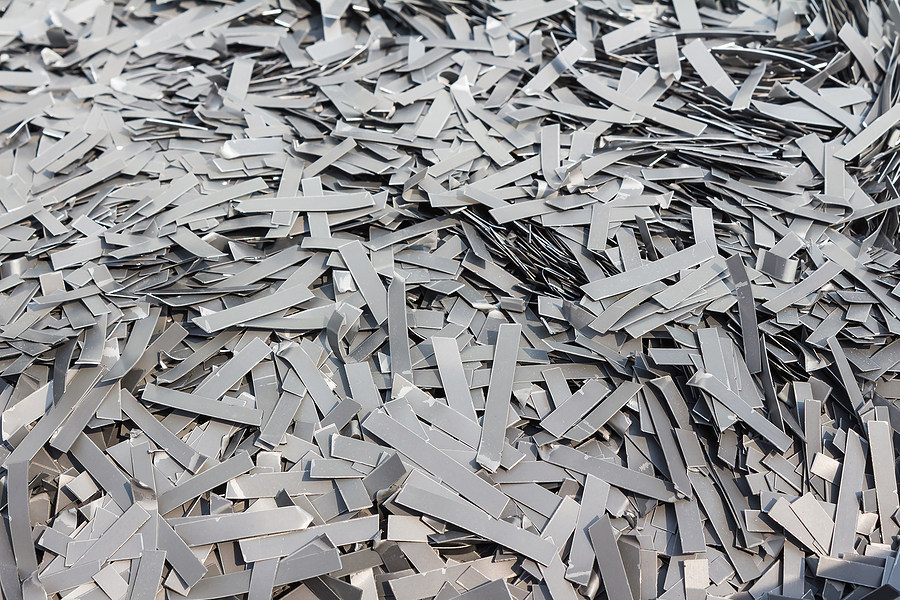
From Rust to Rebirth: The Incredible Journey of Auto Recycling
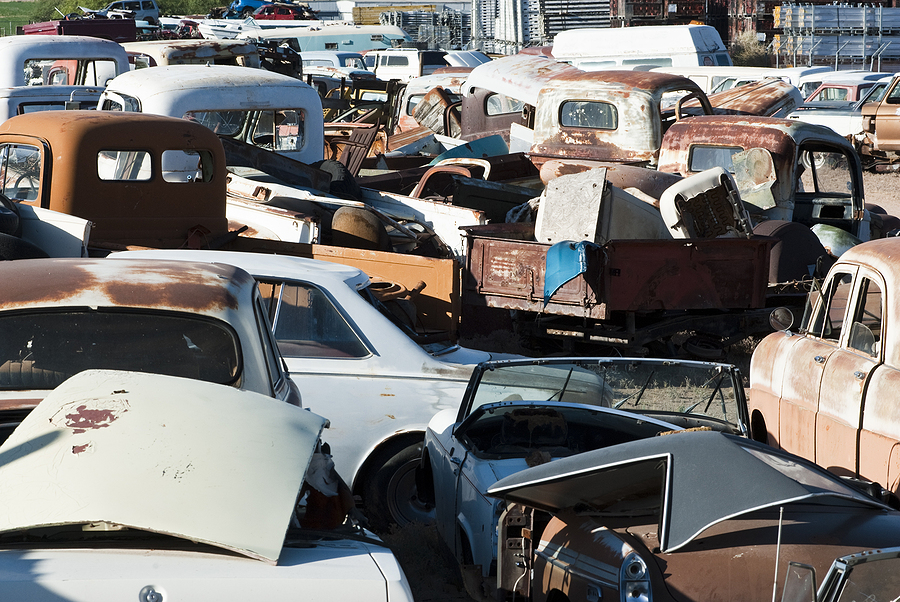
For many of us, a car is more than just a machine. It is a companion on road trips, a reliable partner for the daily commute, and a safe haven during stormy weather. However, like all things, vehicles eventually reach the end of their useful lives. Whether due to age, mechanical failure, or accident damage, there comes a time when a car can no longer be driven safely. But have you ever wondered what happens after the engine is turned off for the last time?

The journey of a vehicle doesn’t end at the scrapyard gate. In fact, that is where a fascinating new chapter begins. Auto recycling is a complex, highly efficient industry that transforms what looks like a heap of rust into valuable raw materials. This process is critical not just for waste management, but for the health of our planet and the stability of our economy.

Understanding the lifecycle of a recycled car reveals a sophisticated system designed to minimize waste and maximize resource recovery. It is a journey from scrap metal to a second life, ensuring that the materials from your old sedan or truck eventually find their way back into the products we use every day.

Call 317-218-7133 For Profitable Auto Recycling in Indianapolis

The Scrap Metal Stage: Dismantling and Sorting

The first step in the recycling journey is perhaps the most crucial: depollution and dismantling. When a vehicle arrives at a scrap metal recycling facility, it is not simply thrown into a crusher. A vehicle is a complex assembly of hazardous fluids, reusable parts, and recyclable materials, all of which must be separated carefully.

Before any physical destruction takes place, the vehicle undergoes a rigorous depollution process. Technicians drain all fluids, including engine oil, transmission fluid, brake fluid, antifreeze, and gasoline. These liquids are hazardous to the environment if they seep into the soil or groundwater. By capturing them responsibly, recyclers can often refine and reuse these fluids or ensure they are disposed of safely.

Once the fluids are removed, the focus shifts to harvesting high-value components. Parts that are still in good working condition—such as alternators, starters, engines, and transmissions—are removed, cleaned, and tested. These components are then sold as used car parts, providing a cost-effective alternative for other drivers needing repairs.

Items like lead-acid batteries are removed to be recycled separately, as they contain toxic chemicals but are nearly 100% recyclable. Tires are also taken off; while they were once destined for landfills, today they are often shredded and repurposed into rubberized asphalt, playground surfaces, or even fuel for cement kilns.

The Recycling Process: Transforming Scrap

Once the hazardous materials and reusable parts have been stripped away, what remains is the vehicle hulk—mostly the metal frame and body. This is where the heavy machinery comes into play. The stripped vehicle is placed into a crusher, which flattens the car into a dense metal brick or “log.” This reduces the volume of the waste, making it easier and more efficient to transport to a shredding facility.

At the shredding facility, the flattened vehicles are fed into a massive industrial shredder. In a matter of seconds, the car is reduced to fist-sized chunks of metal, glass, and plastic. This is necessary to separate the different materials that make up the vehicle’s structure.

The shredded material then passes through a series of sophisticated separators:

  • Magnets pull out ferrous metals (metals containing iron, like steel). This steel is the primary output of auto recycling and is sent to steel mills.
  • Eddy currents and air flotation systems separate non-ferrous metals, such as aluminum and copper, which are highly valuable.
  • ASR (Auto Shredder Residue), which consists of the remaining glass, plastic, foam, and rubber, poses the biggest challenge. While some of this is landfilled, advanced technologies are increasingly allowing recyclers to recover plastics and glass from this mix for further use.
  • The recovered steel is melted down in furnaces to create new steel products. It is a remarkable cycle; the steel from your old car could eventually become part of a new refrigerator, a bridge, a building beam, or even a brand-new vehicle.

Get a Free Offer for Your Scrap Car Today 📞

Environmental Benefits: A Cleaner Planet

The environmental impact of car recycling is profound. By recycling vehicles, we significantly reduce the need for mining virgin ores. Mining is an energy-intensive process that disrupts ecosystems and releases substantial greenhouse gases. Conversely, recycling steel uses about 74% less energy than producing new steel from iron ore (World Steel Association, 2021).

Furthermore, the process acts as a massive filtration system for hazardous substances. If junk cars were simply abandoned in fields or landfills, the millions of gallons of oils and fluids they contain would eventually leak into the environment. Auto scrappers prevent this contamination, acting as stewards for local soil and water quality.

The reduction in landfill waste is another key benefit. Automobiles are large, bulky items. By recycling the vast majority of a vehicle’s mass—often up to 86% of the car by weight—the industry saves millions of cubic yards of landfill space every year. This conservation of space is vital as municipalities struggle with waste management solutions.

Economic Impact: Fueling Local Growth

Beyond the environmental advantages, automotive recycling is a powerful economic engine. It creates a circular economy where materials are kept in use for as long as possible, retaining their value.

This industry supports a wide range of jobs, from the technicians who dismantle the cars to the logistics experts who manage the transport of scrap, and the workers at steel mills who process the recycled metal. It is a multi-billion dollar industry that contributes significantly to the GDP.

For manufacturers, the availability of recycled steel and aluminum helps keep production costs down. Using scrap metal is generally cheaper than purchasing virgin raw materials, a saving that helps stabilize prices for consumer goods.

On a local level, automotive recycling puts money directly back into the pockets of consumers. When individuals sell their end-of-life vehicles to scrap yards, they receive immediate cash. This transaction injects liquidity into the local economy and provides a financial return on an asset that would otherwise be a liability.

Turn Your Old Car into Cash in Indianapolis

If you have an old vehicle taking up space in your driveway or garage, you have the power to contribute to this sustainable cycle. Not only will you be doing your part for the environment, but you can also benefit financially.

Don’t let that car rust away. We offer competitive rates and a hassle-free process. If you are looking to sell your junk car for cash in Indianapolis, Contact Us Today to get a quote and give your car a new purpose.

Place Your Free Call Now

Related Post: Why Scrap Car Recycling Matters More Than You Think

Car Battery Disposal in Indianapolis: What To Know

A dead car battery often feels like an unexpected nuisance, but what you do with it next has a lasting impact. Tossing it in the trash might seem like the easiest option, but it’s a choice that carries serious consequences for both the environment and public health. In Indianapolis, there are specific guidelines for handling used car batteries, and understanding them is crucial.

This guide will walk you through everything you need to know about proper car battery disposal in Indianapolis. We will explain why responsible disposal matters, where you can take your old batteries, and how to handle them safely. By the end, you will have the knowledge to dispose of your used car battery in a way that protects our community and environment.

Call 317-218-7133 For Local Car Battery Disposal in Indianapolis Indiana

Why Proper Car Battery Disposal Matters

A used car battery isn’t just a piece of plastic; it’s a container filled with hazardous materials. A typical lead-acid battery contains sulfuric acid and lead, both of which are highly toxic. If a battery is left in a landfill or dumped illegally, these substances can leak into the soil and contaminate groundwater.

Environmental Hazards

Lead is a potent neurotoxin that can cause severe health problems in humans and wildlife, even at low levels of exposure. When it enters the water supply, it can harm aquatic life and eventually make its way into our drinking water. The sulfuric acid is highly corrosive and can damage soil quality, making it difficult for plants to grow.

Local Regulations in Indianapolis

To prevent these dangers, Marion County has established strict regulations against the improper disposal of hazardous waste, including car batteries. These rules are enforced by the Indianapolis Department of Public Works. Dumping a car battery illegally can result in significant fines and legal penalties.

These laws are not just about punishment; they are in place to safeguard our city’s natural resources for future generations. It’s essential to stay informed by checking the city’s official website for the most current car battery regulations.

How to Recycle Car Batteries in Indianapolis

Fortunately, recycling a used car battery in Indianapolis is simple and convenient. Nearly 99% of a lead-acid battery can be recycled, making it one of the most successfully recycled consumer products. Here’s where you can take your old batteries:

Local Auto Parts Stores

A few major auto parts retailers might have a battery recycling program. Chains like AutoZone, Advance Auto Parts, and O’Reilly Auto Parts will accept your used car batteries, often at no cost. Some of these stores may offer an incentive such as:

  • Store Credit or Discount: When you purchase a new battery, you’ll often pay a small “core charge.” You can get this charge refunded by returning your old battery within a specified timeframe.
  • Gift Cards: Some retailers may provide a small gift card in exchange for your old battery, even if you aren’t buying a new one.

Automotive Recycling Centers and Scrapyards

Specialized junk car buyers, auto scrapyards, and automotive recycling centers in the Indianapolis area are equipped to handle used car batteries. These facilities are experts in dismantling batteries safely and recovering valuable materials.

Some may even offer a small cash payment for your old battery, depending on current market prices for lead. A quick search for “car battery recycling Indianapolis” or “auto scrapyard near me” will provide a list of local options.

Marion County ToxDrop Sites

The city of Indianapolis operates ToxDrop sites where residents can safely dispose of various types of household hazardous waste, including car batteries. These sites are free for Marion County residents. It’s a good idea to check the ToxDrop schedule and accepted materials on the Indy Public Works website before you go.

Contact Us to Get Paid for Your Battery! 💱

Safety Precautions for Handling Used Car Batteries

Before you transport your battery for recycling, it’s vital to handle it with care to prevent accidents.

  • Wear Protective Gear: Always wear gloves and safety glasses when handling a car battery. The residue on the outside can contain lead dust, and there is always a risk of exposure to acid.
  • Keep the Battery Upright: Transport the battery in a secure, upright position to prevent it from tipping over and leaking acid. A sturdy plastic container or a cardboard box can help keep it stable.
  • Check for Damage: Inspect the battery for any cracks or leaks. If you notice any damage, place it in a leak-proof plastic bag or container before moving it.
  • Avoid Sparks: Keep the battery away from open flames, sparks, or metal tools that could cause a short circuit. The hydrogen gas produced by batteries is highly flammable.

The Positive Impact of Recycling Car Batteries

Choosing to recycle your car battery does more than just keep toxic materials out of landfills. It creates a circular economy where valuable resources are reused, reducing the need for new mining and manufacturing.

The lead plates, plastic casing, and sulfuric acid can all be recovered and repurposed. The lead is melted down and used to produce new batteries, the plastic is crushed and turned into pellets for new battery cases, and the sulfuric acid is either neutralized and converted into sodium sulfate for use in fertilizers and detergents or reprocessed for use in new batteries. This process conserves natural resources, saves energy, and significantly lowers the environmental footprint of battery production.

Car Battery Disposal FAQs

Why is battery recycling important?

Recycling batteries is essential because it reduces the need for mining new resources, conserves energy, and prevents hazardous materials from polluting the environment. Proper recycling ensures that valuable materials like lead, plastic, and sulfuric acid are repurposed effectively.

What types of batteries can be recycled?

Many types of batteries can be recycled, including lead-acid batteries used in vehicles, lithium-ion batteries found in electronics, and nickel-metal hydride batteries from rechargeable devices. Always check local recycling guidelines to confirm accepted battery types.

How should I prepare my used batteries for recycling?

For most batteries, it’s important to store them in a cool, dry place and avoid mixing different types. For damaged or leaking batteries, seal them in a non-conductive material like plastic to prevent accidents. Follow specific instructions from your recycling center.

Are there any risks to improperly disposing of batteries?

Yes, improper disposal of batteries can release toxic chemicals into the environment, contaminate water supplies, and even pose fire risks in landfills. Recycling ensures these risks are avoided.

Where can I recycle my batteries?

Batteries can often be recycled at dedicated recycling centers, participating retail stores, or through municipal waste collection programs. Many communities now provide convenient drop-off points for used batteries.

Key Points

Proper car battery disposal is a small action with a significant positive impact. By taking a few extra minutes to recycle your used car battery, you are helping to protect Indianapolis’s soil and water, conserve valuable resources, and comply with local laws. The process is easy, often free, and contributes to a healthier, cleaner community for everyone.

Don’t let that old battery sit in your garage. Trust our Indianapolis automotive scrapyard to recycle your used or broken car parts responsibly. We adhere to all EPA regulations and pay cash on the spot.

Call Now to Get a Free Offer

Related Post: How to Jump Start a Dead Car Battery Safely and Effectively

Why Scrap Car Recycling Matters More Than You Think

That old car sitting in your driveway isn’t just taking up space—it’s a treasure trove of valuable materials waiting to be recovered. Scrap car recycling transforms end-of-life vehicles into reusable resources, creating a sustainable cycle that benefits both the environment and the economy.

Every year, millions of vehicles reach the end of their useful life. Without proper automotive recycling, these cars would pile up in landfills, leaching harmful chemicals into soil and groundwater. Instead, scrap car recycling ensures that up to 85% of a vehicle’s materials can be recovered and reused.

Understanding the scrap car recycling process helps car owners make informed decisions about car disposal while contributing to environmental conservation. Whether you’re dealing with a damaged vehicle after an accident or simply ready to retire your aging car, knowing how scrap yards operate and what junk car buyers offer can help you navigate this process effectively.

This comprehensive guide explores the environmental and economic benefits of automotive recycling, walks through the step-by-step process, and addresses the legal requirements you need to know.

Call 317-218-7133 For Profitable Scrap Car Recycling in Indianapolis Indiana

Environmental Benefits That Make a Real Difference

Reducing Landfill Waste

Scrap car recycling dramatically reduces the burden on landfills. A single vehicle contains approximately 2,000 pounds of recyclable steel, along with aluminum, copper, and other valuable metals. When processed by certified junk car recyclers, these materials avoid landfills entirely.

The environmental impact extends beyond space savings. Vehicles contain hazardous fluids like motor oil, brake fluid, and coolant that can contaminate soil and water sources if not properly managed. Professional scrap yards ensure these substances are safely removed and disposed of according to environmental regulations.

Conserving Natural Resources

Scrap metal recycling from vehicles reduces the need for mining new materials. Recycling steel requires 74% less energy than producing new steel from raw materials. This energy savings translates to reduced carbon emissions and decreased environmental degradation from mining operations.

Consider the aluminum in your car’s wheels, engine block, and other components. Recycling aluminum uses 95% less energy than producing new aluminum from bauxite ore. These energy savings accumulate across millions of recycled vehicles, creating substantial environmental benefits.

Reducing Carbon Footprint

The automotive recycling industry prevents approximately 85 million tons of materials from entering landfills annually. This massive diversion reduces methane emissions from decomposing materials and eliminates the carbon footprint associated with mining and processing virgin materials.

Economic Benefits That Drive Growth

Job Creation and Industry Growth

The scrap car recycling industry supports over 100,000 jobs across the United States. These positions range from collection and processing to parts resale and scrap metal recovery. Local scrap yards serve as economic anchors in their communities, providing stable employment opportunities.

Junk car buyers like Benjamin’s Junk Cars in Indianapolis create additional economic activity by connecting car owners with recyclers. This network ensures vehicles reach proper recycling facilities while providing fair compensation to owners.

Revenue Generation for Car Owners

Many car owners don’t realize their junk vehicle has value. Junk car buyers evaluate vehicles based on their metal content, usable parts, and current scrap metal prices. Even non-running vehicles typically contain $200-$500 worth of recyclable materials.

The revenue potential depends on several factors:

  • Vehicle weight and metal content
  • Current scrap metal market prices
  • Condition of reusable parts
  • Local demand for specific components

Supporting Manufacturing Industries

Automotive recycling creates a steady supply of raw materials for manufacturing. Steel mills rely on recycled automotive steel to produce new products, while aluminum recyclers process vehicle components for various industries.

This circular economy reduces manufacturing costs and makes consumer goods more affordable. The cost savings from using recycled materials versus virgin materials ultimately benefit consumers through lower prices.

Contact Us for FREE Scrap Car Removal

Understanding the Scrap Car Recycling Process

Step 1: Vehicle Assessment and Preparation

When you contact auto recyclers, they evaluate your vehicle’s condition and provide a quote. This assessment considers the car’s weight, recoverable parts, and current scrap metal prices.

Once you accept the quote, the recycler schedules pickup or you deliver the vehicle to their facility. Most reputable junk car recyclers offer free towing services, making the process convenient for car owners.

Step 2: Fluid Removal and Hazardous Material Disposal

Professional scrap yards begin by draining all fluids from the vehicle. This includes:

  • Engine oil and transmission fluid
  • Brake fluid and power steering fluid
  • Coolant and windshield washer fluid
  • Gasoline and diesel fuel

These fluids undergo proper disposal or recycling through specialized facilities. Used motor oil, for example, can be refined into new lubricants or converted into other petroleum products.

Step 3: Parts Recovery and Resale

Before crushing the vehicle, recyclers remove valuable components that can be resold. These parts include:

  • Engines and transmissions
  • Electronic components and computers
  • Catalytic converters
  • Tires and wheels
  • Batteries and alternators

This parts recovery phase extends the useful life of automotive components while providing affordable replacement parts for car owners.

Step 4: Metal Separation and Processing

After parts removal, the remaining shell goes through a shredding process. Industrial shredders break the vehicle into small pieces, which then undergo magnetic separation to sort ferrous and non-ferrous metals.

Ferrous metals like steel and iron are separated using powerful magnets. Non-ferrous metals such as aluminum, copper, and brass require different separation techniques, including eddy current separators and hand sorting.

Step 5: Material Sale and Reuse

The recovered metals are sold to manufacturers for reuse in new products. Steel typically goes to steel mills for processing into new steel products. Aluminum finds its way to smelters for conversion into new aluminum products.

This final step completes the recycling cycle, transforming your old car into raw materials for new products.

Title Transfer Requirements and Regulations

Most states require proper title transfer when selling to junk car buyers. This legal step protects you from liability if the vehicle is involved in illegal activities after sale. Even if your car is destined for recycling, maintaining proper documentation is essential.

If you’ve lost your car title, contact your state’s DMV to obtain a replacement before proceeding with the sale. Some states offer alternative documentation for junk vehicles, but having the original title simplifies the process.

In addition to proper title transfer, some states also require a bill of sale to be signed by both parties. This document serves as proof of transaction and outlines the terms of the sale, including the agreed-upon price and any warranties or guarantees provided by the seller.

It’s important to familiarize yourself with your state’s specific requirements for selling a junk car. Failure to follow these regulations could result in legal consequences, so it’s better to be safe than sorry.

Tips for Choosing a Reputable Auto Recycler

Before choosing a automotive recycler or junk car buyer, it’s essential to do your research and find a reputable company that you can trust. Here are some tips to keep in mind when choosing:

  • Check for proper licensing and certifications
  • Read reviews and ask for recommendations
  • Inquire about their process for evaluating the value of your car

FAQ About Scrap Car Recycling

What is considered a “junk” car?

A junk car is typically an old, damaged, or non-functional vehicle that is no longer in use.

Why should I recycle my junk car?

Recycling your junk car not only helps the environment by reducing waste and harmful chemicals from seeping into the ground, but it also helps create new materials for future products.

Can I still get money for my junk car even if it’s not running?

Yes, you can still receive cash for your junk car even if it’s not in working condition. Junk car recyclers will often dismantle the vehicle and sell its parts to interested buyers.

How long does the process of selling my junk car usually take?

The timeframe for selling your junk car may vary depending on the buyer and the condition of your vehicle. However, most reputable buyers will typically offer a quick and hassle-free process, with some even offering same-day pickup.

Will I need to provide any paperwork when selling my junk car?

While requirements may vary depending on your location, it’s always best to have your car title on hand when selling a junk car. Some buyers may also require additional documents such as proof of ownership or a valid ID.

What happens to my junk car after it is sold?

Once you have sold your junk car, the buyer will usually tow it away and take care of the recycling process. This involves stripping down the vehicle for parts and materials that can be reused or repurposed. The remaining metal frame will usually be crushed and sold for scrap.

Are there any tax implications when selling a junk car?

The sale of a junk car may have tax implications depending on where you live and how much you receive for the vehicle. It’s always best to consult with a tax professional for specific advice.

Conclusion

In conclusion, getting rid of a junk car may seem like a hassle, but it is important not only for the environment but also for your own safety and financial well-being. By properly disposing of your junk car, you are contributing to a cleaner and safer community while potentially earning some extra cash.

Remember to do your research, find a reputable buyer or recycling center, and consult with a tax professional if necessary. With these tips in mind, you can easily get rid of your junk car with confidence and peace of mind.

Looking to recycle your junk car in Indianapolis? Contact Benjamin’s Junk Cars today for fast, reliable, and eco-friendly junk car recycling services. Whether you’re looking to clear up space, earn cash, or make an environmentally responsible choice, we’ve got you covered.

Click Here to Call Now!

Related Post: Junk Cars to Gold: Unveiling the Lucrative World of Scrap Auto Sales

From Clunker to Contribution: Junk Car Donation in Indianapolis

Thinking about donating that old car sitting idle in your driveway? What if you could turn that clunker into a meaningful contribution to the community while also saving money on your taxes? Donating a junk car in Indianapolis is easier than you think and comes with incredible benefits for you, local charities, and the environment.

This guide will walk you through everything you need to know about junk car donation in Indianapolis—from why you should do it to how to get started. By the end, you’ll be ready to turn your scrap car into a valuable resource for others.

Call 317-218-7133 to Make a Junk Car Donation at Our Scrap Yard in Indianapolis Indiana

Why Choose to Donate in Indianapolis?

Indianapolis is more than just the Crossroads of America; it’s a hub for community-focused initiatives and environmentally responsible programs. Donating your junk car in Indy not only simplifies the process for you but also supports charitable organizations that make a tangible difference in local lives.

Local Impact

When you donate your car in Indianapolis, all the benefits stay local. Programs like Goodwill of Central & Southern Indiana and Habitat for Humanity of Indiana use proceeds from car donations to fund community projects, from job training programs to affordable housing.

Convenient Options

Indianapolis is home to plenty of charities and recycling centers equipped to handle car donations. Many even provide free pickup services to make the process seamless for you.

Eco-Friendly Disposal

Recycling and properly disposing of junk cars is crucial for protecting the beautiful Hoosier environment. By donating your car, you ensure its components don’t harm the soil or water supply in our community.

The Step-by-Step Donation Process

Donating your junk car might feel like a daunting task, but with these simple steps, the process can be stress-free:

1. Gather Necessary Paperwork

To donate a car in Indiana, you’ll need:

  • The vehicle title (free of liens and in your name).
  • A completed Vehicle Transaction Application (Indiana State Form 46382) to legally transfer ownership.
  • Make sure to check that the charity or recipient you’re donating to is registered with the IRS if you plan to claim a tax deduction.

2. Choose Where to Donate

Research and select a reputable Indianapolis-based charity, auto salvage yard, or metal recycling center. Look for distinguished scrap yards and organizations like Benjamin’s Junk Cars, Wheels For Wishes or the Salvation Army Indiana Division that specialize in car donation programs.

3. Assess the Value of Your Car

Determine whether you’ll deduct the fair market value or the gross proceeds from the charity’s sale of the car. Use resources like Kelley Blue Book or IRS guidelines to find an accurate estimate.

4. Arrange Pickup or Drop-Off

Most charities and recycling centers will tow your vehicle for free as part of their donation program. Coordinate a convenient time for pickup or check if the location allows onsite drop-offs.

5. Complete the Donation

Sign over the title to the chosen organization and ensure you receive a donation acknowledgment. This document is essential for tax purposes.

6. Claim Your Tax Deduction

File IRS Form 8283 for car donations valued over $500 and attach it to your tax return. Keep all documents, including the charity’s acknowledgment and any sales receipts.

Learn How Junk Car Removal Works

Benefits of Donating Your Junk Car

Tax Savings

One of the greatest perks of donating a car is the tax benefit. If the charity uses the car in its operations, you can deduct its fair market value. Otherwise, you can deduct the amount for which the vehicle was sold. These savings become even more significant if you itemize federal deductions.

Environmental Gains

Donating your car ensures it will be recycled correctly, preventing harmful fluids and metals from contaminating local waterways and soil. Plus, reusing car components reduces energy consumption and preserves natural resources.

Community Support

Organizations like Habitat for Humanity and Wheels For Wishes use the proceeds from car donations to provide critical services—from building homes to granting wishes for children with critical illnesses.

Choosing the Right Recipient of a Donated Car

It’s crucial to select a trustworthy organization or facility when donating your car. Here are some tips:

Verify Legitimacy

Ensure the charity is a registered 501(c)(3) organization with the IRS for tax-deductible donations. Avoid unverified operations or middlemen that could misuse your donation.

Check Reviews and Reputation

Read reviews and testimonials about the organization. A reputable car donation program or scrap metal recycling center will have a history of positive community contributions and reliable service.

Look for Added Perks

Some organizations, like Wheels For Wishes, offer added benefits like free towing or personalized assistance with paperwork.

Local Organizations That Accept Car Donations

Here are a few Indianapolis-based options to consider:

Make a Positive Impact Today

Donating your junk car in Indianapolis isn’t just a simple way to clear up space; it’s an opportunity to give back to the community, support meaningful causes, and reduce environmental impact. By following the steps outlined in this guide, you can make the process seamless and rewarding.

Start your donation at Benjamin’s Junk Cars today, and turn your old wheels into a new reason to feel good. We offer free junk car removal and adhere to all EPA and local regulations for responsible car recycling.

Donate Your Junk Car Now

Related Post: What to Do When You’re Unsure About Getting Rid of a Scrap Vehicle

How to Jump Start a Dead Car Battery Safely and Effectively 

A dead car battery can turn an ordinary day into a stressful situation, especially if you’re stranded in an unfamiliar place. Knowing how to jump-start a car is an essential skill for every driver. It’s straightforward with the right knowledge and preparation, and it can get you back on the road in no time. 

This guide covers everything you need to know, from recognizing the signs of a dead car battery to safely jump-starting your vehicle and avoiding common mistakes.

Call 317-218-7133 to Get Paid Cash for Car Battery Recycling in Indianapolis Indiana

Signs of a Dead Car Battery 

Before you jump to conclusions, it’s important to recognize the key signs of a dead car battery. If you’re experiencing any of these issues, it’s likely your battery is the culprit. Here’s what to look for: 

  • Clicking noise when turning the key – Your engine doesn’t crank but makes a rapid clicking sound instead. 
  • Dim lights – If your dashboard lights, headlights, or interior lights are unusually dim, it’s likely due to a battery issue. 
  • No response from the car – You may notice complete silence when trying to start your vehicle. 
  • Electronics fail to turn on – Features like the radio or power windows aren’t functioning. 
  • Battery Warning Light – A glowing battery warning symbol on your dashboard might indicate it’s time for a car battery replacement. 

Safety Precautions to Follow 

Jump-starting a car involves working with live electrical currents, so safety should always come first. A simple mishap can cause damage to you or your vehicle, so proceed carefully. Here’s how to prepare safely for the task ahead:

  1. Park both vehicles on flat ground in a well-ventilated area away from traffic. 
  2. Always wear gloves and safety glasses to protect against battery acid or sparks. 
  3. Inspect the battery for visible damage like cracks or leaks—do not attempt to jump-start a damaged battery under any circumstances. 
  4. Make sure the jumper cables are in good condition (no frayed wires). 
  5. Keep flammable materials like gasoline far from the cars. 

Tools You Will Need 

To jump-start a dead car battery, gather these essential tools: 

  • Jumper cables – Ensure they are long, durable, and in good condition. 
  • A working vehicle – This serves as the power source for the jump-start. 
  • Emergency roadside kit – A kit with gloves, safety glasses, and a flashlight is very helpful but optional. 

Step-by-Step Guide to Jump-Starting a Car 

Now that you’re equipped and ready, follow these steps to jump-start your car battery safely and correctly:

1. Preparation 

  1. Position the working vehicle close to the car with the dead battery, but ensure the vehicles are not touching. 
  2. Turn both cars off and open their hoods to locate the batteries. 

2. Safety First 

  1. Put on gloves and safety glasses to protect yourself from acid spills or sparks. 
  2. Double-check the good condition of your jumper cables. 

3. Connect the Jumper Cables 

  1. Identify the positive (+) and negative (-) terminals on both batteries. 
  2. Attach one end of the red jumper cable to the positive terminal of the dead battery. 
  3. Connect the other end of the red jumper cable to the positive terminal of the working car’s battery. 
  4. Attach one end of the black jumper cable to the negative terminal of the working battery. 
  5. Connect the other end of the black cable to an unpainted, grounded metal surface under the hood of the car with the dead battery. Avoid connecting directly to the dead battery’s negative terminal to minimize sparks. 

4. Start the Working Vehicle 

Start the working car and allow it to run for a few minutes. This will send power to the dead battery. 

5. Start the Dead Vehicle 

Attempt to start the car with the dead battery. If successful, leave it running for at least 15 minutes to allow the alternator to recharge the battery. 

6. Disconnect the Cables 

  1. Remove the cables in reverse order of how you connected them. 
  2. First, disconnect the negative cable from the grounded metal surface. 
  3. Then, disconnect the negative cable from the working battery. 
  4. Remove the positive cable from the working battery, and finally, from the previously dead battery. 

7. Test the Vehicle 

After disconnecting the cables, ensure the car runs smoothly by turning it off and starting it again. 

8. Close the Hoods 

Securely close the hoods of both cars, making sure no tools or cables are left behind. 

Common Mistakes to Avoid 

Jump-starting a car is simple, but mistakes can lead to unnecessary complications. Here are common errors to steer clear of: 

  • Reversing cable connections – This mistake could damage your vehicle’s electrical system. 
  • Skipping the safety check – Frayed cables or a damaged battery can lead to accidents. 
  • Connecting the negative cable to the dead battery – Always connect the black cable to a grounded metal surface to minimize risks. 
  • Ignoring rust or residue on terminals – Corrosion can interfere with the connection. Clean it off before jump-starting. 

When to Call for Professional Help 

Sometimes, jump-starting isn’t enough. Roadside assistance services are equipped for these scenarios and can help replace a dying battery if needed. Consider reaching out to professionals if: 

  • Your car doesn’t start even after multiple jump-start attempts. 
  • There’s visible damage or corrosion on the battery. 
  • You’re uncomfortable handling jumper cables or unsure about the process. 

FAQs 

1. How long does a car battery last? 

Most car batteries have a lifespan of 3–5 years. If yours is older, it might be time for a car battery replacement. 

2. Can I jump-start a car in the rain? 

Yes, but exercise extra caution and ensure all cables and connections remain dry. 

3. What should I do with an old battery? 

Dispose of it responsibly by taking it to a local auto salvage yard or metal recycling center. Many auto shops also offer car battery disposal services. 

RECAP

A dead car battery doesn’t have to derail your day if you’re prepared with the right tools and knowledge. By learning to recognize the signs of a dead car battery and following this step-by-step guide, you can get back on the road in no time. 

Remember, proper preparation includes carrying an emergency roadside kit and knowing when to call for help. If your battery is old or unreliable, upgrade it promptly and consider environmentally-friendly car battery recycling options. 

Got old parts lying around? Turn them into cash! Sell old or broken car parts to a local auto salvage yard and free up space while helping the environment. 

Are you ready to recycle your old car battery and make some cash at the same time? Contact Benjamin’s Junk Cars at 317-218-7133 to recycle automotive scrap in Indianapolis and get paid cash on the spot. We also offer free junk car removal. Best of all, we pay more than the other guys!

Related Posts:

Navigating the World of Car Batteries: A Comprehensive Guide
How to Dispose of Toxic Car Parts and Materials
Car Maintenance Guide for a Vehicle You Rarely Drive

Eco-Friendly Solutions: The Role of Junk Car Parts in Sustainable Living

Sustainability isn’t just about recycling bottles or using reusable bags anymore. It’s about rethinking how we use and reuse every resource available to us—and the auto industry is no exception. Every year, millions of cars reach the end of their lives, leaving behind a trail of metal, plastic, and waste. But what if these so-called junk cars held the key to a cleaner, greener future?

This blog will explore the role junk car parts play in sustainable living, the environmental impact of these vehicles, and how making small Eco-conscious decisions—like choosing recycled auto parts—can have a big impact.

Call 317-218-7133 to Buy or Sell Junk Car Parts in Indianapolis
Call 317-218-7133 to Buy or Sell Junk Car Parts in Indianapolis Indiana

The Environmental Impact of Junk Cars

When cars hit the end of the road, they don’t just disappear. Junk cars often sit in landfills or abandoned lots, which comes with some serious environmental consequences:

  • Pollution: Junk cars leak fluids like oil, coolant, transmission, and brake fluid, contaminating the soil and nearby waterways. Over time, these pollutants can cause harm to wildlife and local ecosystems.
  • Depletion of natural resources: Manufacturing new car parts requires raw materials like steel, aluminum, and rubber. Extracting these resources depletes the earth while consuming significant energy.
  • Non-biodegradable waste: Cars are made of materials that don’t break down easily, leaving much of their mass as lasting landfill waste.

By letting junk cars rot away, we’re not just wasting valuable materials—we’re actively harming the planet. But there’s a powerful solution hiding in plain sight.

The Rise of Sustainable Living

Sustainability has gone from buzzword to way of life for many consumers. Individuals and businesses alike are looking for ways to reduce their carbon footprints while making Eco-friendly choices.

From buying second-hand goods to supporting brands with sustainable practices, environmentally conscious behavior is shaping today’s marketplace. This movement has reached the automotive industry too, with growing interest in electric vehicles, car-sharing, and—you guessed it—recycled car parts.

Why? Because choosing sustainable solutions isn’t just good for the planet—it’s cost-effective, convenient, and often just as reliable. Junk car parts are a prime example of this shift.

The Role of Recycled Car Parts in Reducing Environmental Impact

Did you know that over 80% of a car can be recycled? Junk car parts—like engines, batteries, and transmissions—can be salvaged, refurbished, and reused. This process significantly reduces waste, prevents new manufacturing emissions, and saves energy.

Here’s why recycled auto parts deserve a spot in the sustainability spotlight:

  • Material recovery: Metal from vehicles can be melted down and reused, reducing the demand for mining fresh resources.
  • Energy efficiency: Recycling car parts requires much less energy compared to producing new ones.
  • Lower carbon footprint: Every part salvaged contributes to decreasing greenhouse gas emissions tied to manufacturing and disposal.

By giving junk car parts a second life, you’re not just keeping a usable resource out of landfill—you’re actively supporting sustainable living.

The Journey of a Junk Car Part

Curious about how junk car recycling works? Here’s what happens between the moment you part ways with your old vehicle and when its parts find a new home:

  1. Collection and dismantling: Junk cars are sold to auto salvage yards where specialists strip them for usable parts—everything from alternators to door panels.
  2. Inspection and refurbishment: Parts are inspected, cleaned, and repaired if needed. Some may be reconditioned to meet safety and performance standards.
  3. Resale or repurposing: Refurbished parts are added to inventories for resale. Meanwhile, materials like metal and glass are sent to recycling facilities to be processed further.
  4. Final use: Recycled parts are used to repair other vehicles, while raw materials derived from them fuel new manufacturing processes.

This circular system is proof that sustainable practices work when applied to the automotive world.

Benefits of Using Recycled Car Parts

If you’re still unsure where recycled junk car parts fit into your life, here’s why they’re worth considering:

Environmental Benefits:

  • Reduces waste in landfills and prevents unnecessary pollution.
  • Lowers reliance on extracting raw materials, protecting natural habitats.

Economic Benefits:

  • Affordability: Recycled parts cost significantly less than new ones, offering cost savings for budget-conscious consumers.
  • Accessibility: Auto salvage yards and online platforms make it easy to find quality parts for almost any make or model.

Social Benefits:

  • Encourages industries and consumers to adopt circular economies.
  • Supports local businesses like salvage yards that depend on these operations.

When you choose Eco-friendly car parts, you’re doing your wallet—and the planet—a favor.

Challenges and Future Trends in Junk Car Recycling

Of course, the path isn’t without obstacles. Recycling junk car parts presents challenges like:

  • High initial costs for transportation and recycling processes.
  • Lack of public awareness, which means many end-of-life vehicles go unclaimed and unrecycled.
  • Technological limitations in handling modern car materials like composite plastics or lithium-ion batteries.

But promising trends are shaping the future:

  • Smart recycling tech is improving efficiency, making it easier and cheaper to recover car parts.
  • Regulatory incentives are encouraging auto manufacturers to design vehicles with recyclability in mind.
  • Consumer demand for greener options will continue to grow, creating a thriving market for recycled auto parts.

Your Actions Make a Difference

Sustainability isn’t just a company policy or government directive—it’s a choice each of us makes every day. Whether you are a car owner looking to fix up your vehicle, selling to your nearest auto salvage yard, or shopping for Eco-friendly car parts, your choices drive change. Exploring junk car parts doesn’t just support sustainable living; it’s also practical, affordable, and an integral part of reducing environmental impact.

The question is, how will you take the next step? Sell your old car to a local salvage yard. Choose refurbished parts for repairs. Spread the word to inspire others to think sustainably. Your ride to a greener future starts today.

Are you ready to recycle your scrap vehicle and make some cash at the same time? Contact Benjamin’s Junk Cars at 317-218-7133 to recycle automotive scrap in Indianapolis and get paid cash on the spot. We serve all of Central Indiana and offer free junk car removal. Best of all, we pay more than the other guys!

Related Posts:

Rev Up Sustainability: The Ultimate Guide to Recycled Auto Parts
What Happens to the Usable Auto Parts in a Junk Car After Scrapping?
Junk Car Parts With the Highest Scrap Value

Why Junk Car Selling is the Environment’s Best Friend

In a world increasingly focused on environmental responsibility, the fate of junk cars may not be the first issue that comes to mind. Yet, these abandoned vehicles have a surprising impact on our planet, contributing significantly to soil contamination and air pollution. Fortunately, selling junk cars offers an Eco-friendly solution, transforming potential hazards into opportunities for recycling and reducing waste.

In this blog post, we’ll explore the environmental benefits of junk car selling and guide you through the process, aiming to empower both Eco-conscious consumers and junk car owners to make a positive change.

Call 317-218-7133 For Profitable Junk Car Selling Service in Indianapolis Indiana

Understanding the Environmental Impact of Junk Cars

Abandoned cars are more than just an eyesore; they pose significant threats to the environment. Discarded vehicles can leak harmful fluids, such as oil, brake fluid, and antifreeze, into the soil. These substances contaminate the ground and nearby water sources, posing risks to both wildlife and human health. Additionally, as these cars sit idle, they release pollutants into the air, contributing to air quality issues and increasing greenhouse gas emissions.

Many people are unaware of the cumulative effect of junk cars on the environment, but the numbers speak for themselves. It’s estimated that millions of cars are rendered immobile each year, with many left to deteriorate. This neglect not only wastes valuable resources but exacerbates environmental degradation. By choosing to sell a junk car, individuals can play a part in alleviating these issues.

The Benefits of Selling a Junk Car

Selling a junk car isn’t just beneficial for your wallet; it’s a conscious choice that positively impacts the environment. By recycling parts and materials, we can significantly reduce the need for new resource extraction and energy consumption. The recycling process allows for the recovery of metal, glass, and plastics, which can be reused in new products, reducing the demand for virgin materials. This practice conserves energy, as recycling metals requires considerably less energy than producing new metal from raw ore.

Proper disposal of junk cars through certified recycling facilities ensures that hazardous materials are handled safely. Licensed facilities adhere to stringent environmental regulations, minimizing the risk of soil and water contamination. This structured approach prevents the adverse effects of improper disposal methods, such as illegal dumping, which can cause lasting damage to ecosystems.

Furthermore, selling a junk car can support the local economy and create jobs within the auto salvage industry. Recycling auto parts and materials is a labor-intensive process that requires skilled workers, thus contributing to economic growth. By participating in the junk car selling ecosystem, you’re not only helping the environment but also boosting the economy.

How to Sell Your Junk Car

Ready to sell your junk car but unsure where to start? Here’s a step-by-step guide to help you through the process, ensuring a smooth and Eco-friendly disposal:

  1. Assess Your Vehicle’s Condition: Before selling, evaluate your car’s condition to understand its value. Consider factors like the make, model, age, and extent of damage. This assessment will help you set realistic expectations when contacting buyers.
  2. Find a Reputable Buyer or Auto Salvage Yard: Research local junk car buyers or auto salvage yards that specialize in Eco-friendly car disposal. Look for businesses with positive reviews that adhere to environmental regulations. A reputable buyer will offer a fair price and handle the recycling process responsibly.
  3. Gather Necessary Documentation: Ensure you have all the required paperwork to transfer ownership of your vehicle. This typically includes the car title, registration, and any records that verify ownership. If you’ve misplaced the title, contact your local DMV for assistance.
  4. Contact Potential Buyers: Reach out to multiple buyers to compare offers. Provide accurate information about your vehicle’s condition to receive a fair quote. Some buyers may offer free junk car removal services, saving you time and effort.
  5. Finalize the Sale: Once you’ve selected a buyer, arrange for the sale and removal of your junk car. Ensure all necessary paperwork is completed to transfer ownership legally. After the transaction, remove personal items from the vehicle and cancel any insurance policies.

By following these steps, you’ll contribute to an Eco-friendly car disposal process, minimizing the environmental impact of your junk car.

Debunking Myths About Selling Junk Cars

Despite the clear advantages, several myths about selling junk cars persist, deterring owners from taking action. Let’s debunk some of the most common misconceptions:

Myth 1: Selling a junk car is not worth the hassle. 
Reality: The process is often straightforward, especially when dealing with reputable buyers who handle paperwork and offer free removal.

Myth 2: Junk car buyers undervalue my vehicle. 
Reality: While prices may vary, competitive markets ensure that you can find buyers offering fair compensation. Conducting research and comparing quotes will help you secure the best deal.

Myth 3: Recycling facilities don’t always follow environmental regulations. 
Reality: Licensed facilities are required by law to adhere to strict environmental standards. Choosing reputable businesses ensures your car is disposed of responsibly.

Addressing these myths encourages more junk car owners to consider selling as a viable option, contributing to a cleaner and healthier environment.

Taking Action for a Greener Future

Selling a junk car is more than a financial decision—it’s an opportunity to make a positive impact on the environment. By choosing Eco-friendly car disposal, you’re reducing pollution, conserving resources, and supporting sustainable practices. Whether you’re a junk car owner, an environmental advocate, or simply someone looking to make a difference, the benefits of junk car recycling are clear and compelling.

Ready to take the next step? Explore local buyers and auto salvage yards committed to Eco-friendly practices. By doing so, you’ll join a community of conscious consumers dedicated to a greener future. Consider sharing your experience with others to inspire more people to take action against the environmental challenges posed by junk cars. Together, we can unlock the potential for a cleaner planet, one junk car at a time. Take action today and contribute to the preservation of our environment.

Don’t wait any longer—take action today and sell your scrap car for a cleaner, better planet. Ready to get started? Contact Benjamin’s Junk Cars at 317-218-7133 to learn how it works when it comes to selling a junk car for cash in Indianapolis. We provide free junk car towing and cash on the spot, so all you need to do is call!

Related Posts:

Driving Green: The Environmental and Economic Benefits of Automotive Recycling
From Trash to Treasure: Sustainable Paths for Your Junk Car
A Brief Overview of the Junk Car Recycling Process