The Essential Guide to DIY Car Maintenance and Repairs 

Do you enjoy getting your hands greasy and saving money along the way? For car owners, DIY maintenance and repairs can be a rewarding experience. Not only does it save you a trip (and a hefty bill) from the mechanic, but it also gives you a sense of pride and ownership in your vehicle. 

However, taking the DIY route requires preparation, the right tools, safety awareness, and knowing when to call in a professional. This guide will walk you through everything you need to know, whether you’re a beginner or an intermediate DIY enthusiast looking to expand your skill set. 

Call 317-218-7133 to Get a Free Offer From Our Local Auto Scrap Yard in Indianapolis

Want to Be Your Own Mechanic?

Essential Safety Measures and Gear 

Before you grab your wrench, make safety a priority. Car maintenance can involve lifting heavy vehicles, handling hazardous fluids, and working near potentially dangerous components. Here’s how to stay safe: 

  • Proper Lifting Techniques: Always use jack stands, not just the hydraulic jack. Make sure the car is on level ground and the parking brake is engaged.  
  • Personal Protective Equipment (PPE): Wear gloves to protect your hands from sharp edges and oil exposure. Use safety glasses to shield your eyes from debris. 
  • Well-Ventilated Area: If you’re working on anything that involves fumes, such as oil changes or brake pad replacements, ensure good ventilation to reduce the risk of inhaling harmful chemicals. 
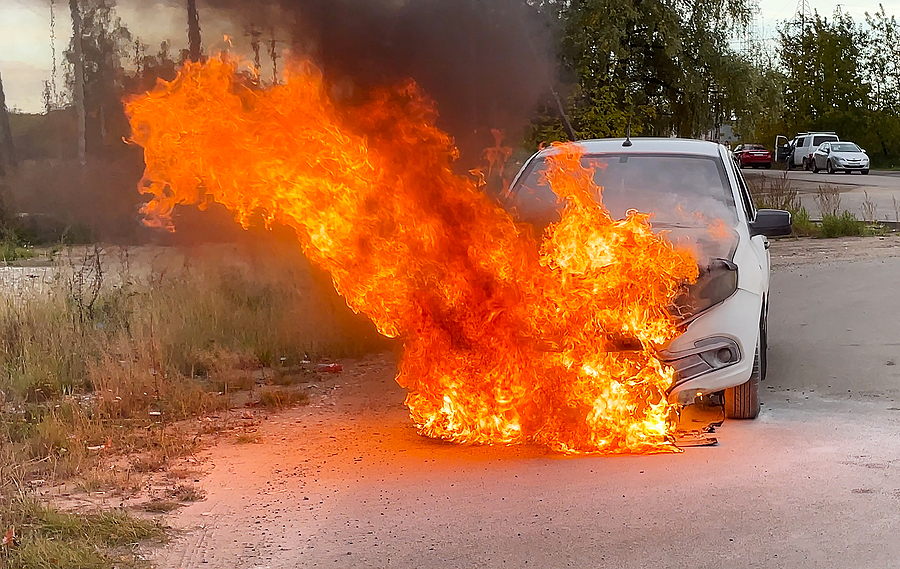
  • Fire Safety: Avoid sparks near flammable materials like oil and gasoline. Keep a fire extinguisher rated for chemical fires on hand. 

Basic Tools Every DIYer Needs 

No DIY maintenance project can begin without the right tools. Here’s a basic toolkit that will make your work easier and more efficient: 

  • Socket and Wrench Set: For tightening and loosening bolts. 
  • Jack and Jack Stands: Essential for safely lifting your vehicle. 
  • Torque Wrench: Ensures bolts are tightened to the correct specification. 
  • Screwdrivers: Both flathead and Phillips are needed for a variety of tasks. 
  • Drain Pan and Funnel: To catch and pour liquids during fluid changes. 
  • Lug Wrench & Tire Pressure Gauge: Key for tire rotations. 
  • Brake Cleaner, C-Clamp, & Pliers: Useful for brake pad replacements. 
  • Flashlight or Work Lamp: Good lighting is critical for precision work. 

Common DIY Projects Every Car Owner Should Know 

1. Change Your Oil 

  • Difficulty Level: Easy 
  • Why It’s Important: Fresh oil keeps your engine running smoothly. 
  • Safety Tips: Ensure the engine is cool before draining the oil to avoid burns. Use gloves and safety glasses. 
  • Tools Needed: Wrench, oil filter wrench, drain pan, funnel, and jack stands. 
  • Cost Savings: Save $25–$75 compared to a professional service. 

2. Rotate Tires 

  • Difficulty Level: Moderate 
  • Why It’s Important: Ensures even tire wear and extends their lifespan. 
  • Safety Tips: Use jack stands, not just the jack. Follow the correct rotation pattern. 
  • Tools Needed: Jack, jack stands, and torque wrench. 
  • Cost Savings: Save $20–$50 per rotation. 

3. Replace Air Filters 

  • Difficulty Level: Easy 
  • Why It’s Important: Improves engine performance and air quality. 
  • Safety Tips: Wear gloves and ensure the engine is off before replacing. 
  • Tools Needed: Screwdriver (usually Phillips head). 
  • Cost Savings: Save $10–$30 on labor costs. 

4. Swap Out Windshield Wipers 

  • Difficulty Level: Easy 
  • Why It’s Important: Better visibility means safer driving. 
  • Safety Tips: Prevent the wiper arms from snapping back onto the windshield. 
  • Tools Needed: Often no tools, but a small screwdriver may be handy. 
  • Cost Savings: Save $5–$15 on installation. 

5. Replace Brake Pads 

  • Difficulty Level: Advanced 
  • Why It’s Important: Ensures safe and reliable braking. 
  • Tools Needed: C-clamp, socket set, and brake cleaner. 
  • Cost Savings: Save $50–$150 per axle. 
  • Safety Tips:
    • Wear a dust mask to avoid inhaling brake dust.
    • Use the right tools and reference your vehicle’s manual. 

Learn How Much Your Scrap Car is Worth

The Environmental Side of DIY Car Care 

Maintaining your car isn’t just about keeping it running; it’s also about protecting the environment. Follow these tips to ensure responsible disposal of automotive waste:

  • Used Oil & Filters: Recycle used oil at an auto parts store or recycling center. Drain oil from filters and recycle them appropriately. 
  • Fluid Disposal: Properly seal used fluids like coolant or brake fluid and drop them off at hazardous waste collection sites. 
  • Tire Recycling: Never dump old tires. Take them to a designated tire recycling facility. 
  • Battery Recycling: Scrap old batteries at an auto parts store to prevent harmful materials from ending up in landfills. 
  • Eco-Friendly Products: Use biodegradable cleaners and consider synthetic, sustainable oils.  

Total Loss Vehicles and Junk Car Disposal

Sometimes, despite your DIY efforts, a car reaches the end of its usable life. When that happens, it’s time to consider options for scrapping the car responsibly. Selling your vehicle to a professional junk car buyer is a responsible way to recycle it’s valuable components and put instant cash in your wallet.

What is a Total Loss Vehicle?

A total loss vehicle is a car that has been damaged to the point where repairs would cost more than the value of the vehicle itself. This can happen due to a variety of reasons, such as accidents, natural disasters, or simply old age and wear-and-tear.

When this happens, insurance companies will often declare the vehicle a “total loss” and offer to pay you the actual cash value (ACV) of your car instead of covering repair costs. At this point, it’s up to you whether you want to keep the car or sell it for scrap.

Benefits of Selling to a Junk Car Buyer

Selling your junk car to a reputable buyer or auto scrap yard, like Benjamin’s Junk Cars in Indianapolis, can have several benefits:

Get Rid of an Eyesore: Junk cars can be an unsightly addition to your property, taking up space and potentially attracting pests. By selling it to a junk car buyer, you can get rid of the eyesore and free up some space on your property.

Eco-Friendly Disposal: Junk car buyers are equipped to properly dispose of old vehicles in an eco-friendly way. This includes draining all fluids and recycling any usable parts, rather than leaving them to rust away in a landfill.

Make Some Money: Depending on the condition of your vehicle, you may be able to make some money by selling it to a junk car buyer. While the amount may not be significant, every little bit counts and can help offset the cost of purchasing a new vehicle.

Convenient Process: Junk car buyers typically offer free towing services when purchasing your vehicle, making the process convenient for you. They will take care of all necessary paperwork and handle the logistics of removing the vehicle from your property.

Peace of Mind: Selling your old vehicle to a junk car buyer can provide peace of mind knowing that it has been properly disposed of and will no longer sit on your property as an eyesore or potential hazard.

So Is DIY Car Maintenance Worth It? 

While DIY car maintenance can save you hundreds of dollars annually, it also requires time, effort, and attention to detail. The real value lies in balancing your time savings against the cost savings. For some, the hands-on satisfaction is worth every second. 

Key Takeaways

DIY car repair is not just a way to save money; it’s a gratifying skill that connects you with your vehicle. By following this guide, you can tackle common maintenance tasks confidently and responsibly, while knowing when to seek help for more complex problems. 

If you’re ready to part ways with a vehicle that’s past its prime, contact Benjamin’s Junk Cars for FREE junk car removal and recycling services in Central Indiana. We’ll responsibly dispose of it and pay you cash on the spot! 

See How Much Your Ride is Worth!

Related Post: The Ultimate Guide to Car Maintenance: Protect Your Ride and Save Money

From Clunker to Contribution: Junk Car Donation in Indianapolis

Thinking about donating that old car sitting idle in your driveway? What if you could turn that clunker into a meaningful contribution to the community while also saving money on your taxes? Donating a junk car in Indianapolis is easier than you think and comes with incredible benefits for you, local charities, and the environment.

This guide will walk you through everything you need to know about junk car donation in Indianapolis—from why you should do it to how to get started. By the end, you’ll be ready to turn your scrap car into a valuable resource for others.

Call 317-218-7133 to Make a Junk Car Donation at Our Scrap Yard in Indianapolis Indiana

Why Choose to Donate in Indianapolis?

Indianapolis is more than just the Crossroads of America; it’s a hub for community-focused initiatives and environmentally responsible programs. Donating your junk car in Indy not only simplifies the process for you but also supports charitable organizations that make a tangible difference in local lives.

Local Impact

When you donate your car in Indianapolis, all the benefits stay local. Programs like Goodwill of Central & Southern Indiana and Habitat for Humanity of Indiana use proceeds from car donations to fund community projects, from job training programs to affordable housing.

Convenient Options

Indianapolis is home to plenty of charities and recycling centers equipped to handle car donations. Many even provide free pickup services to make the process seamless for you.

Eco-Friendly Disposal

Recycling and properly disposing of junk cars is crucial for protecting the beautiful Hoosier environment. By donating your car, you ensure its components don’t harm the soil or water supply in our community.

The Step-by-Step Donation Process

Donating your junk car might feel like a daunting task, but with these simple steps, the process can be stress-free:

1. Gather Necessary Paperwork

To donate a car in Indiana, you’ll need:

  • The vehicle title (free of liens and in your name).
  • A completed Vehicle Transaction Application (Indiana State Form 46382) to legally transfer ownership.
  • Make sure to check that the charity or recipient you’re donating to is registered with the IRS if you plan to claim a tax deduction.

2. Choose Where to Donate

Research and select a reputable Indianapolis-based charity, auto salvage yard, or metal recycling center. Look for distinguished scrap yards and organizations like Benjamin’s Junk Cars, Wheels For Wishes or the Salvation Army Indiana Division that specialize in car donation programs.

3. Assess the Value of Your Car

Determine whether you’ll deduct the fair market value or the gross proceeds from the charity’s sale of the car. Use resources like Kelley Blue Book or IRS guidelines to find an accurate estimate.

4. Arrange Pickup or Drop-Off

Most charities and recycling centers will tow your vehicle for free as part of their donation program. Coordinate a convenient time for pickup or check if the location allows onsite drop-offs.

5. Complete the Donation

Sign over the title to the chosen organization and ensure you receive a donation acknowledgment. This document is essential for tax purposes.

6. Claim Your Tax Deduction

File IRS Form 8283 for car donations valued over $500 and attach it to your tax return. Keep all documents, including the charity’s acknowledgment and any sales receipts.

Learn How Junk Car Removal Works

Benefits of Donating Your Junk Car

Tax Savings

One of the greatest perks of donating a car is the tax benefit. If the charity uses the car in its operations, you can deduct its fair market value. Otherwise, you can deduct the amount for which the vehicle was sold. These savings become even more significant if you itemize federal deductions.

Environmental Gains

Donating your car ensures it will be recycled correctly, preventing harmful fluids and metals from contaminating local waterways and soil. Plus, reusing car components reduces energy consumption and preserves natural resources.

Community Support

Organizations like Habitat for Humanity and Wheels For Wishes use the proceeds from car donations to provide critical services—from building homes to granting wishes for children with critical illnesses.

Choosing the Right Recipient of a Donated Car

It’s crucial to select a trustworthy organization or facility when donating your car. Here are some tips:

Verify Legitimacy

Ensure the charity is a registered 501(c)(3) organization with the IRS for tax-deductible donations. Avoid unverified operations or middlemen that could misuse your donation.

Check Reviews and Reputation

Read reviews and testimonials about the organization. A reputable car donation program or scrap metal recycling center will have a history of positive community contributions and reliable service.

Look for Added Perks

Some organizations, like Wheels For Wishes, offer added benefits like free towing or personalized assistance with paperwork.

Local Organizations That Accept Car Donations

Here are a few Indianapolis-based options to consider:

Make a Positive Impact Today

Donating your junk car in Indianapolis isn’t just a simple way to clear up space; it’s an opportunity to give back to the community, support meaningful causes, and reduce environmental impact. By following the steps outlined in this guide, you can make the process seamless and rewarding.

Start your donation at Benjamin’s Junk Cars today, and turn your old wheels into a new reason to feel good. We offer free junk car removal and adhere to all EPA and local regulations for responsible car recycling.

Donate Your Junk Car Now

Related Post: What to Do When You’re Unsure About Getting Rid of a Scrap Vehicle

The Hidden Dangers of Scrap Cars and How to Dispose of Them Safely 

Scrap cars left sitting in a driveway, backyard, or a forgotten corner of an auto salvage yard might seem harmless, but behind their rusting shells lie hazardous materials that, when improperly handled, can wreak havoc on the environment and human health. With over 11 million vehicles reaching the end of their life annually in the U.S., responsible disposal has never been more critical. But what exactly makes junk cars hazardous, and how can you ensure they’re dealt with safely?

This blog dives into the unseen dangers of scrap cars, the environmental consequences of improper handling, and the steps you can take to sell a junk car responsibly. Whether you’re considering recycling a car or working with professional scrap car buyers, we’ve got you covered.

Call 317-218-7133 to Get Quick Cash for Scrap Car Disposal in Indianapolis

Common Hazardous Materials Found in Scrap Cars 

Scrap cars contain several components that can pose significant risks to both the environment and human health if not handled properly. Here’s a look at some of the most dangerous elements lurking under the hood:

1. Battery Acid 

Car batteries often contain lead and sulfuric acid, both of which are highly toxic. Improperly disposed batteries can leach harmful chemicals into the soil and groundwater, contaminating ecosystems and drinking water supplies. 

2. Mercury 

Older vehicles may have mercury switches in their lighting or anti-lock braking systems (ABS). Mercury is a potent neurotoxin that can damage aquatic life and disrupt the food chain if it enters waterways through improper disposal.

3. Antifreeze 

Antifreeze contains ethylene glycol, a sweet-tasting but toxic chemical that can be deadly to pets, wildlife, and humans if ingested. Spills during a poorly managed car disposal can contaminate local water sources. 

4. Gasoline and Oil 

Used motor oil and leftover gasoline in scrap cars are significant pollutants. Just one gallon of used oil can contaminate up to 1 million gallons of water. Without proper gasoline disposal, harmful leaks could occur, creating fire risks and environmental hazards. 

5. Refrigerants 

Vehicles with air conditioning systems contain refrigerants like chlorofluorocarbons (CFCs) or hydrochlorofluorocarbons (HCFCs). These substances, if released into the atmosphere, contribute to ozone layer depletion and greenhouse gas emissions. 

6. Tires 

Discarded tires present unique challenges, as they don’t decompose easily and create ample breeding grounds for disease-carrying pests like mosquitoes in stagnant water. Improper tire disposal also increases the risk of tire fires, which emit harmful toxins. 

The Environmental Impact of Improper Disposal 

Statistics paint a concerning picture of what happens when scrap car disposal isn’t done correctly:

  • An estimated 25% of scrap cars in the U.S. are improperly disposed of each year, causing widespread environmental damage.
  • Over 1 million gallons of used oil from scrap cars annually contaminate soil and water sources.
  • The release of refrigerants from car air conditioning systems contributes to 5% of total greenhouse gas emissions annually.

Improper scrap car disposal doesn’t just harm the planet; it endangers human health, accelerates climate change, and costs governments and communities billions of dollars in cleanup efforts. 

Get an Instant Offer for Your Junk Car

Regulations and Guidelines for Handling Hazardous Materials 

To mitigate these risks, federal, state, and local regulations provide strict guidelines for handling junk car disposal. Here’s a summary of what you should know: 

  • EPA Guidelines: The Environmental Protection Agency (EPA) mandates the proper removal and disposal of vehicle fluids like oil, gasoline, and antifreeze to prevent soil and water contamination.
  • Battery and Mercury Handling: Many states require specialized facilities to handle and recycle car batteries and mercury components to minimize toxic waste.
  • Licensed Auto Salvage Yards: Only licensed scrap car buyers and auto salvage yards are authorized to manage hazardous car materials responsibly. Ensure they follow proper waste management protocols.
  • Refrigerant Removal: Federal and state laws require certified technicians to safely remove and recycle refrigerants from air conditioning systems.
  • Tire Disposal: Local ordinances often dictate safe tire storage and recycling practices to prevent pest infestations and tire fires.

How to Sell and Dispose of a Scrap Car Safely 

If you’re ready to part ways with a junk car, here are five steps to ensure it’s done responsibly and hassle-free:

1. Work with Reputable Scrap Car Buyers 

Research professional buyers or auto salvage yards with proper licensing and environmental certifications. This ensures they comply with hazardous waste disposal regulations and offers peace of mind for you.

2. Drain Fluids Properly 

Before recycling a car, ensure its fluids (oil, gasoline, antifreeze, etc.) are drained safely. Licensed handlers at salvage yards often handle this step for you. 

3. Remove Non-Metal Components 

Remove parts like tires, seats, and plastic elements, as these often require separate disposal or recycling processes. 

4. Recycle the Remaining Scrap Metal 

The bulk of a vehicle is made of steel and other metals, which can be recycled into new products. This process not only reduces waste but also minimizes resource extraction. 

5. Claim Financial Incentives 

Did you know responsible junk car disposal can be profitable? Professional scrap car buyers often pay cash for all makes and models, regardless of condition. This provides an incentive to ensure your car is disposed of the proper way. 

In Summary

Improper disposal of hazardous car materials isn’t just an environmental concern; it’s a missed opportunity to contribute to a sustainable future. By choosing to recycle a junk car with an experienced auto salvage yard, you’re playing an active role in reducing pollution, conserving natural resources, and keeping communities safe. 

Need a trustworthy partner for scrap car disposal? Contact Benjamin’s Junk Cars today to safely recycle your vehicle. Together, we can make safer and environmentally friendly choices while turning unwanted junk into something valuable. 

Speak With a Junk Car Buyer Now

Related Post: How to Dispose of Toxic Car Parts and Materials

Dashboard Warning Lights: What They Mean and How to Address Them

Imagine this scenario: you’re driving down the road, and suddenly a light illuminates on your car’s dashboard. It’s a moment of both curiosity and concern. What does it mean? Is your car still safe to drive? Should you pull over immediately?

Car dashboard warning lights are your vehicle’s way of communicating potential issues, from minor alerts to critical warnings that demand immediate attention. Understanding these lights is not only vital for your safety but can also save you from costly repairs.

Whether you’re a new driver or a seasoned DIY mechanic, this guide will walk you through the meanings of common dashboard lights, the actions you should take, and how to prevent them from appearing in the first place.

Call 317-218-7133 to Get an Offer From Our Professional Auto Scrap Yard in Indianapolis Indiana

The Basics of Dashboard Warning Lights

Dashboard warning lights are color-coded to indicate their severity:

  • Green or Blue lights typically indicate that a system is active or functioning (e.g., your headlights or cruise control).
  • Yellow or Amber lights signal a warning. These are not immediate emergencies but should be addressed as soon as possible (e.g., low tire pressure or ABS issues).
  • Red lights indicate a critical issue that needs immediate attention. Examples include low oil pressure or overheating.

Understanding this color-coded system is the first step toward responding appropriately to your vehicle’s alerts.

Common Warning Lights and What They Mean

Here are some of the most common dashboard lights every driver should recognize:

Check Engine Light

Also known as the Malfunction Indicator Lamp (MIL), this is one of the most dreaded lights to see. It can indicate anything from a loose gas cap to a more serious engine issue.

  • What to do: Safely pull over and check the gas cap first. If the light persists or flashes, use a code reader to identify the issue. Ignoring this light can lead to costly damages, such as a damaged catalytic converter.
  • Typical repair costs: $200 to $3,000, depending on the problem.

ABS (Anti-Lock Braking System) Light

This light points to a potential issue with your braking system, which could compromise your ability to stop safely.

  • What to do: Drive cautiously to your nearest repair shop. Avoid panic braking on slippery surfaces.
  • Typical repair costs: $200 to $900, depending on whether it’s a sensor, module, or pump issue.

Tire Pressure Monitoring System (TPMS) Light

This light indicates that your tires are under or over-inflated, which could lead to poor handling or decreased fuel efficiency.

  • What to do: Use a tire pressure gauge to check your tire levels and adjust them according to the manufacturer’s recommendations.
  • Typical repair costs: $70 to $300, typically for sensor replacement or recalibration.

Battery Warning Light

This light signals an issue with your battery or alternator. If left unchecked, your car may not start the next time you try it.

  • What to do: Safely park and inspect the battery terminals for corrosion. If the light persists, have the battery and alternator tested.
  • Typical repair costs: $100 to $300 for a replacement battery or alternator.

Learn More About Car Maintenance

What to Do When a Warning Light Appears

When a warning light pops up, it’s crucial to respond thoughtfully and promptly. Here’s a step-by-step guide:

  • Safely pull over: If the light is red or flashing, pull over immediately to assess the situation.
  • Consult your car’s manual: Look up the specific warning light for details on what it means.
  • Check vital signs: If safe, check for visible issues like fluid leaks, engine temperature, or low tire pressure.
  • Use a code reader: Analyze the error code to pinpoint the problem if you have access to one. These devices are affordable and available at most auto parts stores.
  • Don’t ignore the issue: Even if the light seems minor, address it as soon as possible to prevent further damage.

When to Call a Professional Mechanic

Some warning lights require professional attention to ensure your vehicle’s safety. Consult a mechanic in the following instances:

  • The light is red or flashing (indicating a serious problem).
  • You’re unsure of the cause, even after consulting the manual or using a code reader.
  • The issue persists despite your attempts to resolve it.

For instance, if the check engine light continues to flash, it could mean a misfiring engine, which can severely damage components like the catalytic converter.

Preventative Maintenance Tips to Avoid Dashboard Lights

Regular maintenance can help you avoid pesky warning lights. Here are some key tips:

  • Monitor fluid levels: Check engine oil, coolant, brake fluid, and power steering fluid regularly to ensure they’re at appropriate levels.
  • Inspect tire pressure: Keep your tires properly inflated and check for wear and tear to avoid TPMS alerts.
  • Replace filters: Schedule regular air, fuel, and oil filter replacements to prevent engine issues.
  • Test and maintain the battery: Clean battery terminals and test battery life, especially before extreme weather seasons.
  • Schedule routine inspections: Professional check-ups can identify potential problems before they become major issues.

What If Repairs Cost More Than Your Car’s Value?

If the cost of repairing an issue exceeds the value of your vehicle, you may face a tough decision. Here are some options:

  • Sell or trade in your car: Use the funds toward a newer, more reliable vehicle.
  • Repair selectively: Address only critical issues that allow the car to remain operational.
  • Consider scrapping: If the vehicle is no longer roadworthy, scrap it for parts and recycling value at a trusted auto scrap yard, like Benjamin’s Junk Cars in Indianapolis.

Weigh the pros and cons carefully to choose the option that suits your financial and personal needs.

In Summary

Understanding dashboard warning lights empowers drivers to take control of their vehicle’s health and safety. Whether it’s a flashing check engine light or a glowing battery warning light, knowing what each symbol means and how to respond can save you time, money, and stress.

By staying informed and proactive with regular maintenance, you can keep those warning lights at bay while ensuring a smoother and safer driving experience. If you’re hungry for more tips on car maintenance, check out our other in-depth guides.

Ready to scrap that old hunk of junk that keeps lighting up like a switchboard? Sell it to Benjamin’s Junk Cars for an instant cash payment and free towing. You can’t go wrong with an insurance-free car disposal process.

Speak to Us Now for a Free Quote

Related Post: Can I Reset the Check Engine Light in My Car?

How Much Is Your Junk Car Worth? A Complete Guide to Maximizing Its Value

Do you have an old car sitting in your driveway collecting dust, rust, and leaves? If so, you’re not alone. Many car owners find themselves holding onto vehicles that no longer run or aren’t worth the cost of repairs. What you may not realize is that your junk car still holds value—that’s right, even that old, beat-up clunker can put money in your pocket.

This guide will walk you through everything you need to know about determining your junk car’s worth, where to sell it, and how to maximize its value. By the end, you’ll be ready to turn that four-wheeled relic into cash.

Call 317-218-7133 to Get Paid Cash for a Junk Car in Indianapolis Indiana

What Determines a Junk Car’s Worth?

Not all junk cars are created equal, and several factors can directly impact the price you get for your vehicle. Understanding these will help you negotiate and ensure you’re not leaving money on the table.

Weight and Scrap Metal Prices

Most junk cars are sold for their weight in scrap metal, as the majority of their value lies in the raw materials they contain. The price of steel, aluminum, and other metals can fluctuate based on market demands. When scrap metal prices are high, your junk car is worth more.

Condition of the Car

Is your car still partially functional? Does it have specific parts in good condition, like the engine, catalytic converter, or transmission? Salvageable parts can significantly increase the value of your junk car since buyers can resell them individually.

Make, Model, and Year

Some cars, especially older or rarer models, may hold unique value due to the specific parts or materials they contain. Similarly, popular vehicles might fetch higher offers because their replacement parts are in demand.

Your Location

The location of your junk car matters more than you think. Urban areas typically have higher demand for junk cars because scrap yards and buyers are more competitive. Meanwhile, rural areas might offer less, as transportation costs to tow the car might reduce its overall worth.

Title and Documentation

To sell a junk car, you’ll need to prove ownership by showing a clean title. Buyers require a car title because it is the law.

Sell Your Junk Car Today

Where Can You Sell a Junk Car?

If you’re wondering where to sell my junk car, don’t worry—we’ve got you covered. Here are some options to consider:

Local Junkyards

Auto salvage yards are often the go-to for disposing of junk cars. They may offer you a price based on weight and the materials present in the vehicle. Be sure to contact multiple junkyards for quotes and choose one offering a competitive rate.

Online Junk Car Buyers

Companies like Junkcars.com or Peddle seem like they make it easy to sell your junk car online. But these platforms generally provide lower quotes and may charge fees for towing.

Private Buyers

If your car still runs or has particularly valuable parts, you might attract private buyers looking for specific vehicles or parts for restoration projects.

Charities

Alternatively, you can donate your junk car to a local or national charity. While you won’t directly receive cash, you may be eligible to receive tax deductions, benefiting you in other ways.

Tips to Maximize the Value of Your Junk Car

Selling a junk car doesn’t mean you have to settle for pennies. There are strategies you can use to squeeze a little extra value out of your sale. Here’s how:

  • Remove Personal Valuables – Double-check the car for any personal items before selling. This includes documents, electronics, and any accessories you might be able to reuse or sell separately.
  • Consider Selling Parts Individually – If you have the time and tools, parting out your vehicle can net you more money than selling it as a whole. Items like the catalytic converter and battery often fetch high prices when sold separately.
  • Clean the Car – It may sound counterintuitive for a junk car, but a quick clean-up can make your vehicle look more appealing to buyers and may even increase your offers.
  • Get Multiple Quotes – Don’t settle for the first offer you receive. Shop around at local junkyards, online services, and private buyers to find the best price.
  • Time It Right – Scrap metal prices are always changing. If possible, wait until the market is favorable to sell your junk car for maximum profit.
  • Verify Documentation in Advance – Buyers are often hesitant to purchase vehicles without a proper title. If you’ve lost your title, contact your local DMV to obtain a replacement before proceeding with a sale.

Legal Considerations When Selling Your Junk Car

Before you sell your junk car, there are a few legal and environmental factors to consider to make the transaction seamless and compliant.

  • Proof of Ownership – Most states require you to provide a title to sell a junk car legally. Without it, buyers may hesitate to finalize the deal.
  • Transfer the Title – Make sure to officially transfer ownership of the car to the buyer to avoid potential liability issues down the line.
  • Cancel Registration and Insurance – Notify your DMV and insurance company of the sale to avoid additional fees or liability.
  • Comply with Local Regulations – Familiarize yourself with your state’s rules on junk car sales, including emissions or environmental disposal requirements.

Turning Your Junk Car Into Cash

Now that you know what impacts your junk car’s value, where to sell it, and how to maximize your profit, you’re ready to turn that rust bucket into cash! Whether it’s about getting rid of an eyesore, freeing up space, or earning extra money, selling your junk car is a smart move.

To make the process even easier, explore online platforms or professional services that specialize in selling junk cars. Many even offer free towing and instant quotes to simplify the process.

Don’t wait any longer. Sell your junk car today to Benjamin’s Junk Cars and start enjoying the benefits of extra cash in your pocket and a clutter-free driveway!

Get a Free Junk Car Offer Now

Related Post: Step-by-Step Guide to Selling a Junk Car for the Maximum Price

Unlock the Benefits of Selling Your Junk Car in Indianapolis Today

Do you have an old, damaged vehicle sitting in your driveway, collecting dust and rust? If so, you’re not alone. The popularity of selling junk cars in Indianapolis has been on the rise, and for good reason! Junk car owners and uninsured vehicle owners across Indianapolis, Indiana, have discovered the multiple advantages of parting ways with their aging rides.

Selling a scrap car isn’t just about getting rid of an eyesore; it’s an opportunity to declutter, earn quick cash, and contribute to sustainability. But before you get started, you might wonder, “What exactly are the benefits, and how do I get it right?”

This blog will walk you through the perks of selling junk cars in Indianapolis and how to make the process seamless.

Call 317-218-7133 to Sell Your Junk Car in Indianapolis for Instant Cash!

Why You Should Consider Selling Your Junk Car

Selling a junk car isn’t just a practical decision, it’s one that comes with plenty of perks. From getting cash in hand to helping the planet, here’s why you should seriously consider making the call for junk car removal.

1. Quick Cash in Your Pocket

One of the biggest benefits of selling your scrap car is the potential to earn fast money. Whether you’re looking to cover an unexpected expense or just hoping to pad your savings, selling your vehicle can be a quick and hassle-free way to get paid. Since many junk car buyers offer instant quotes, you can know the value of your car within minutes. Additionally, reputable buyers in Indianapolis (like us) ensure you get the actual cash value (ACV) of your car on the same day as the pickup.

2. Declutter and Free Up Space

Have an unused vehicle taking up valuable space in your driveway or garage? Getting junk car removal services is an excellent way to declutter your home. That space could be used for a new car, a hobby workstation, or simply for cleaner aesthetics.

3. Environmentally Friendly

By selling your junk car, you’re not just benefiting yourself but also the planet. Many junk cars are recycled for their auto parts, reducing waste and limiting the need for manufacturing new materials. This contributes to conserving natural resources and lowering environmental pollution. When junk car buyers use Eco-friendly recycling processes, they ensure that hazardous materials are carefully removed and disposed of ethically.

4. Say Goodbye to Maintenance Costs

Old cars can rack up recurring expenses in repairs, maintenance, and insurance. Scrapping that vehicle means you no longer have to deal with these unnecessary costs for a car you’re not actively using. Instead, trade it in for cash and peace of mind.

Is Selling a Junk Car Right for You?

While scrapping a junk car has plenty of advantages, you might be wondering if it’s the right move for you. Here’s who should seriously consider it:

  • You own a damaged, totaled, or flooded car that’s too expensive to repair. 
  • Your car is old and unused, gathering dust in your garage. 
  • You do not have insurance coverage, and the car has become a financial strain. 

📌 Your car’s value lies in its junk auto parts, not as a running vehicle.

If any of these describe your current situation, selling your car might be the smart solution.

Get a Free Offer for Your Junk Car!

How to Prepare Your Junk Car for Sale

Before you scrap your junk car to a junk car buyer, follow these steps to ensure a smooth process:

1. Remove Personal Items

Check every nook and cranny of your car for any personal belongings. From glove compartments to under the seats, it’s easy to forget about small items, documents, or keys.

2. Gather Important Documents

Make sure you have all necessary paperwork, such as the car title and registration. Many buyers, including ours, offer paperwork assistance if you’re unsure what’s required to transfer ownership.

3. Cancel Insurance

If your junk car still has active insurance, don’t forget to cancel the coverage once you’ve finalized the sale.

4. Understand the Car’s Worth

Use online tools or contact a junk car buyer to get an instant quote and determine your car’s actual cash value (ACV). Remember, factors like condition, make, model, and demand for junk auto parts will influence the price.

5. Remove the License Plate

Many states, including Indiana, require you to remove the license plates and return them to the Department of Motor Vehicles (DMV).

6. Check the Buyer’s Policies

Ensure your chosen buyer offers perks like free junk car towing and no hidden fees to make the process completely hassle-free.

How to Find a Reputable Junk Car Buyer

Not all scrap car buyers are created equal. To get the best experience, it’s essential to find a reputable auto salvage yard in Indy. Here’s how:

  • Check Reviews and Reputation – Look for companies with positive customer reviews and testimonials. A reliable buyer will have a track record of customer satisfaction.
  • Compare Prices – Get multiple quotes to ensure you’re receiving the best offer for your junk car. Keep in mind that the highest price isn’t always the best option if hidden fees are involved.
  • Look for Value-Added Services – Choose an auto scrapper that offers perks like free junk car towing, same-day payment, environmentally friendly recycling processes, and assistance with paperwork.
  • Research Their Process – The best buyers make the process straightforward, transparent, and quick. Avoid companies that use tricky tactics or make vague offers.

For Indianapolis residents, Benjamin’s Junk Cars offer instant quotes, free towing, and quick cash payments upon pickup, making the entire process seamless from start to finish.

Final Thoughts

Selling a junk car is more than just a way to get rid of an old or damaged vehicle. It’s an opportunity to clean up your space, score some extra cash, and make an environmentally conscious decision. With services like free junk car removal, environmentally-friendly practices, and instant payments, selling has never been easier for Indianapolis residents.

If you’ve been wondering about your junk car worth or want to say goodbye to the hassle of maintaining an old vehicle, now’s the time to act. With our streamlined process and no hidden fees, you can sell your damaged car or junk vehicle with complete confidence.

Don’t wait! Turn that clunker into quick cash today. Call us at 317-218-7133  for an instant quote and schedule your free pickup. We pay cash on the spot—just be sure to have your title on hand and ready for transfer!

Click Here to Call Us Directly

Related Post: Unlocking Hidden Value: How to Sell Your Junk Car for Top Dollar

7 Risky Driving Habits That Can Total Your Car

Getting behind the wheel comes with responsibility. Driving isn’t just a means to get from A to B; it’s about safeguarding yourself, others on the road, and your vehicle. Whether you’re a new driver or a seasoned car owner, poor driving habits can lead to devastating consequences, including a totaled car. 

This blog explores common yet dangerous habits that often result in accidents and total loss vehicles. You’ll learn strategies to adopt safer driving behaviors, hear from experts, and even discover what to do if you’ve ended up with an uninsured totaled car. 

Call 317-218-7133 to Get an Offer From Our Totaled Car Scrappers in Indianapolis Indiana

What Counts as Risky Driving Habits?

Risky driving habits often go unnoticed or become second nature over time. These behaviors not only put you and your vehicle at risk but may also escalate to totaling your car. Here are some of the most common culprits:

1. Distracted Driving 

Distracted driving is a leading cause of accidents. Whether it’s texting, eating, adjusting the radio, or talking on the phone, these distractions take your focus off the road. 

Shocking Stat: According to the NHTSA, in 2021, distracted driving claimed 3,522 lives in the U.S. 

2. Speeding 

A common yet deadly habit, speeding reduces your ability to react to sudden hazards. It also increases the severity of accidents, making it more likely for your car to be totaled. The faster you drive, the less likely your vehicle will be salvageable post-accident. 

Interesting Insight: Speeding accounts for about 26% of all traffic fatalities in the U.S., according to the IIHS.

3. Tailgating 

Following another vehicle too closely leaves you with insufficient time to stop if the driver ahead brakes suddenly. Rear-end collisions caused by tailgating can easily lead to extensive damage, making your car a total loss vehicle. 

4. Driving Under the Influence (DUI) 

It goes without saying that alcohol or drugs significantly impair your reaction time, judgment, and coordination. Unfortunately, DUI crashes often result in totaled cars or worse, loss of lives. 

5. Fatigued Driving 

Hitting the road when you’re tired is like playing with fire. A drowsy driver is more prone to making mistakes and reacting slower to sudden situations. Falling asleep behind the wheel is even more dangerous and more likely to cause fatalities.

6. Ignoring Weather Conditions 

Rain, snow, fog, and icy roads require extra caution. Failing to adapt to these conditions, such as driving at regular speeds or not increasing your following distance, can lead to major accidents. 

7. Skipping Regular Vehicle Maintenance 

Neglecting routine maintenance, like checking tire pressure, brakes, or oil levels, can result in mechanical failures, leaving you stranded, or worse, causing a collision. 

The Costs of a Total Loss Vehicle 

When a car is considered “totaled,” the cost to repair it exceeds its actual cash value (ACV). For many drivers, this financial blow becomes worse if the car is uninsured. While collision insurance may cover such cases, those without insurance are left bearing the entire burden. 

If you find yourself in this situation, one solution is selling your totaled car to an auto salvage yard in Indianapolis. They’ll take your damaged car off your hands and offer cash in return, providing a quick and hassle-free way to recoup some losses. 

Learn How it Works at Benjamin’s Junk Cars

Prevention Tips to Stay Safe on the Road 

Here’s a list of essential tips to avoid risky driving habits and keep yourself and your car safe:

Stay Focused – Keep your full attention on the road. Put your phone away, finish your meal before driving, and minimize distractions in the car. 

Obey Traffic Laws – Follow speed limits, stop at traffic signals, and yield when necessary. Being law-abiding helps to prevent unnecessary incidents. 

Regular Maintenance – Maintain your car’s health with routine check-ups. Properly inflated tires, sturdy brakes, and well-functioning lights can make all the difference. 

Defensive Driving – Be proactive and prepared for sudden movements from other vehicles or pedestrians. Always be aware of your surroundings. 

Avoid Impaired Driving – If you’ve had a drink or are on medication that affects your driving capabilities, hand over the keys to someone else or call a ride service. 

Get Enough Rest – Avoid the urge to drive when you’re fatigued. Pull over to rest or switch drivers if possible. 

Adjust Driving to Weather Conditions – Slow down during rain, snow, or fog, and keep extra distance between you and the car ahead. 

Use Safety Technology – Leverage the safety features in modern vehicles, such as blind-spot monitoring, lane departure warnings, and adaptive cruise control, to assist in maintaining safe driving habits. 

Selling a Totaled Car? Here’s What to Do

If your car is already totaled, don’t despair. You still have options to recover some financial value.  specializes in buying totaled or damaged cars, whether they’re insured or not.  Benjamin’s Junk Cars in Indianapolis

Here’s how it works:

  1. Contact Them: Share details about your car for a free quote. 
  2. Get an Offer: Receive a competitive cash offer based on the condition of your vehicle. 
  3. Get Paid: Hand over your car (and title, if available) and walk away with cash in hand. 

Drive Smart, Stay Safe

Safe driving requires a combination of attentiveness, preparation, and responsible decision-making. By staying rested, adapting to weather conditions, and utilizing modern safety technology, drivers can significantly reduce the risk of accidents and protect themselves and others on the road.

Always remember, the choices you make behind the wheel have a lasting impact—not just on you, but on every person that you share the road with. Commit to driving mindfully, because safety is everyone’s responsibility.

Remember, your car is replaceable, but your life isn’t. Drive smart, stay safe, and if you find yourself in need of salvaging a totaled car, consider reaching out to reputable businesses like Benjamin’s Junk Cars in Indianapolis, Indiana.

Get a Free Offer for Your Totaled Car!

Related Post: Drive Prepared: Essential Tips for Navigating Sudden Car Breakdowns

The Ultimate Guide to Car Maintenance: Protect Your Ride and Save Money 

Owning a car is one of life’s great conveniences, but keeping it running smoothly isn’t just about filling it with gas and washing it every now and then. Regular automotive maintenance is crucial for ensuring your vehicle’s performance, safety, and longevity. Whether you’re a new driver who just bought your first car or a seasoned car owner, understanding the basics of car care can save you money and headaches down the line. 

This post will cover everything you need to know about regular automotive maintenance, provide tips on how to find the right maintenance plan for your car, and even outline simple tasks you can handle yourself. 

Call 317-218-7133 to Get Quick Cash for a Junk Car in Indianapolis Indiana

Why Regular Maintenance Matters 

Routine maintenance for your car isn’t just a box to tick; it has lasting benefits when it’s done correctly and consistently. Here’s why it matters so much: 

1. Safety First 

From brake inspections to tire rotations, regular maintenance ensures your car is safe to drive. Malfunctions like worn brakes or balding tires can create dangerous situations, putting you, passengers, and other drivers at risk.  

2. Longer Lifespan for Your Vehicle 

Cars aren’t built to last forever, but proper maintenance can push their lifespan to new limits. By following the factory-scheduled maintenance, you ensure parts like your engine, transmission, and suspension last longer, saving you from costly repairs

3. Better Resale Value 

A vehicle that’s been well cared for holds its value better than one that hasn’t. Potential buyers often ask for service records, and a stamp-filled maintenance log can tell them they’re investing in a reliable vehicle. 

4. Reduced Costs Over Time 

Yes, regular automotive service comes with expenses, but it’s much cheaper than repairing or replacing neglected components. For example, an ignored oil change can lead to engine trouble, costing thousands versus the modest cost of a quick oil change. 

Key Maintenance Tasks Every Driver Should Know 

Understanding your car maintenance schedule is an essential part of being a responsible owner. Here are the top tasks you should keep track of to keep your ride in top shape. 

1. Oil Changes 

One of the simplest yet most critical maintenance tasks, oil changes keep your engine lubricated and running efficiently. Check your car’s manual for the recommended interval, but typically, this falls between 3,000 and 7,500 miles. 

2. Tire Rotations and Alignments 

Rotating your tires every 5,000-7,500 miles ensures even wear and extends their lifespan. Alignments should also be checked to keep your tires performing and wearing properly while improving fuel efficiency. 

3. Brake Inspections 

Your brakes are your vehicle’s most important safety system. Get them inspected at least once a year to identify wear on pads, rotors, and fluid levels. 

4. Fluid Checks and Replacements 

Beyond oil, your car relies on fluids like transmission fluid, coolant, brake fluid, and windshield wiper fluid. Keeping these at optimal levels helps your car run efficiently and safely. 

5. Battery Care 

Your car’s battery is its lifeline. Ensuring it’s free of corrosion and replacing it every 3-5 years will help avoid inconvenient breakdowns. 

6. Air Filter Replacements 

A clogged air filter can reduce your car’s efficiency. Swap it out annually to maintain strong performance and fuel economy. 

Finding the Right Maintenance Plan for Your Vehicle 

With so many makes and models on the market, it’s crucial to find a plan tailored to your car’s needs. Here’s how to get started: 

☑ Consult Your Owner’s Manual 

The manual that came with your vehicle is gold. It contains a factory-scheduled maintenance checklist that specifies what services your car needs and when. Never disregard it. 

☑ Consider Your Driving Habits 

Frequent long-distance driving or stop-and-go city traffic can affect wear and tear. Adjust your maintenance plan based on how and where you drive. 

☑ Use Dealership Recommendations 

Dealerships often have maintenance plans designed specifically for your make and model vehicle. While they might seem pricier, they use certified parts and technicians trained for your car type. 

☑ Explore Third-Party Shops 

Local mechanics or chain automotive service centers may offer tailored plans at competitive rates. Just ensure they have a good reputation and the necessary certifications. 

☑ Choosing a Trusted Mechanic 

Finding the right mechanic can make all the difference when it comes to keeping your car in peak condition. Here are some tips to guide your search. 

  • Check Credentials: Look for ASE-certified mechanics or shops that work with your car’s specific brand. 
  • Read Reviews: Online testimonials from other customers can provide insight into a shop’s reliability and quality of service. 
  • Ask Questions: Don’t hesitate to ask about pricing, warranties, and the shop’s experience with your make and model. 

DIY Maintenance for Car Owners 

While some tasks require professional equipment and expertise, others can be tackled right from your driveway. 

  • Checking Fluids – Learn to check your oil, coolant, and windshield wiper fluid levels so you can top them up when necessary. 
  • Replacing Wiper Blades – Worn-out wipers are an easy DIY fix. Follow your car manual or online tutorials for instructions. 
  • Tire Pressure Checks – Invest in a tire pressure gauge and monitor your tires regularly to optimize handling and fuel efficiency. 
  • Battery Maintenance – Cleaning your battery terminals can extend its life. Wear gloves, and follow basic safety guidelines. 
  • Filter Replacements – Air cabin filters and engine air filters can be replaced with minimal tools and effort. 

While DIY car maintenance can significantly lower your car maintenance cost, knowing your limits is equally important. Always leave complicated repairs to professionals. 

Final Thoughts

Regular car maintenance isn’t just about avoiding breakdowns or unexpected repairs; it’s about giving yourself the peace of mind that your vehicle is safe, efficient, and dependable. Whether you’re sticking to your car maintenance schedule, experimenting with DIY car maintenance, or finding a trusted mechanic, every effort adds up to long-term savings and a reliable ride. 

Got a car that just isn’t worth spending any more time or money on? Let us buy it from you! Contact Benjamin’s Junk Cars at 317-218-7133 to speak with a professional scrap car buyer about selling a totaled car for cash in Indianapolis. We pay the highest payouts for all make and models, regardless of age or condition. Hassle-free and same-day service–no charge for towing! Call now!

Related Posts:

Listen to Your Car: Identifying Strange Noises for Essential Auto Repairs
Drive Prepared: Essential Tips for Navigating Sudden Car Breakdowns
What You Need to Know About Paying for Auto Body Work

How to Safely Dispose of Broken Auto Parts 

Every car owner or mechanic eventually faces the challenge of dealing with broken or unusable auto parts. From worn-out brake pads to cracked windshields, these items can’t be left in the trash. Did you know improper car part disposal can harm the environment and even violate local regulations? 

This guide explains how to safely and responsibly dispose of broken auto parts, with tips on recycling, hazardous waste handling, and donating usable components. Whether you’re a car owner, an experienced mechanic, or a DIY enthusiast, these steps will help reduce waste while keeping the planet in mind. 

Call 317-218-7133 For Lucrative Auto Parts Disposal in Indianapolis Indiana

Identifying Broken Auto Parts 

Before starting the disposal process, it’s important to identify the type of auto part you’re handling. Here are some common auto parts that require extra care when disposed of responsibly:

  • Car Batteries: Large amounts of toxic lead and acid make proper car battery disposal crucial. 
  • Metal Components: This includes steel rims, exhaust systems, and aluminum body parts. 
  • Oil Filters and Fluids: Used oil, coolants, and brake fluids are hazardous to both humans and the environment. 
  • Plastic Parts: Bumpers, dashboards, and interior panels can be recycled but often require special facilities. 
  • Tires: Improperly discarded tires can release harmful chemicals and serve as breeding grounds for pests. 
  • Glass and Lights: This includes windshields, mirrors, and headlight covers, which need careful handling to avoid injuries. 

Once you’ve categorized the broken parts, it’s time to think about how to handle them safely. 

Safety Precautions 

Handling broken auto parts can expose you to sharp edges, harmful chemicals, or toxic substances. Before you begin, follow these precautions to keep yourself protected:

Wear Proper Gear:

  • Use heavy-duty gloves to avoid cuts and abrasions from sharp metal or glass edges. 
  • Safety goggles or face shields protect against debris while handling or dismantling parts. 

Work in a Ventilated Area:

Fluids and batteries may release harmful fumes. Always work outside or in spaces with ventilation. 

Use the Right Tools:

Specialized tools minimize the risk of breaking down fragile or dangerous items incorrectly. 

Handle Fluids Carefully:

Use drip trays and securely capped containers to prevent spills during transport. 

Disposal Methods 

1. Recycling Scrap Car Parts 

Recycling is one of the best ways to get rid of broken auto parts while contributing to a sustainable future. Many metals can be recycled, either through local salvage yards or metal recycling centers. 

Here’s how to recycle auto parts effectively:

  • Sell Scrap Car Parts: Parts like steel, aluminum, and copper wiring can be sold to an auto salvage yard for cash. Search locally for scrap yards that accept these metals.
  • Recycling Facilities: Dedicated recycling centers accept parts like rims, engine blocks, and other metal pieces.
  • Certified Waste Collectors: Some services pick up auto parts directly from your home for proper recycling. 

2. Proper Hazardous Waste Disposal 

Certain auto parts contain hazardous elements that should never end up in landfills. Here’s how to safely handle these materials:

Car Battery Disposal:

  • Most automotive stores or service centers accept old batteries for safe recycling. 
  • Specialized centers ensure the lead and acid are processed correctly. 

Fluids:

Store used motor oil, coolant, and brake fluid in clearly labeled containers and take them to a hazardous waste facility. 

Plastics:

Cracked bumpers and dashboards are non-biodegradable; find recycling programs specifically designed for automotive plastics. 

3. Donation or Resale of Usable Parts 

Some damaged auto parts may still have value. Instead of throwing them away, consider donating or reselling:

  • Donate Usable Parts: Charities, vocational schools, and nonprofit organizations might accept donated parts, especially if they’re salvageable. 
  • Resale Opportunities: Online marketplaces like Craigslist or eBay are great options for parts that still function but no longer suit your needs.

4. Tire Disposal 

Tires require specific attention:

  • Many retailers offer take-back programs when you purchase new tires. 
  • Local recycling programs may repurpose used tires for construction, landscaping, or playground materials. 

Finding Local Salvage Yards 

When it comes to recycling or selling scrap car parts, knowing where to go is half the battle. Here are resources to help find authorized salvage yards and facilities:

  • Online Directories: Websites like RecyclingCenters.org help pinpoint recycling facilities close to your location.
  • Auto Salvage Yards: A quick Google search for “auto salvage yards near me” will reveal options for selling old parts.
  • Local Government Websites: Many municipalities have resources to guide you to licensed scrap and hazardous waste facilities. 

The Environmental Impact of Improper Car Part Disposal 

Improper disposal of broken auto parts is more than just an inconvenience—it’s hazardous to our planet. Here’s what can happen when auto parts are discarded irresponsibly:

  • Toxic Chemical Leaks: Fluids like motor oil can contaminate soil and water, leading to long-term environmental damage. 
  • Air Pollution: Burning plastics and tires emits harmful gases into the atmosphere. 
  • Landfill Overflow: Non-biodegradable materials like plastics and glass take decades to decompose, contributing to massive landfill piles. 

By properly recycling or reusing parts, you’re helping reduce waste while protecting ecosystems. 

Final Thoughts

Safe disposal of broken auto parts is about more than clearing up garage space—it’s a commitment to being a responsible citizen. From recycling scrap parts to safely handling chemicals and participating in donation drives, there are plenty of ways you can protect both your local community and the environment. 

Your next step? Look up a local auto salvage yard or recycling facility to start disposing responsibly today! Even better, share this guide with your friends or coworkers who might need a little extra guidance. 

Looking for a professional auto salvage yard in Indiana that will provide the best possible price for your scrap auto parts? Contact Benjamin’s Junk Cars at 317-218-7133 to learn how it works when it comes to selling broken car parts for cash on the spot in Indianapolis.

Related Posts:

Transforming Trash to Treasure: The Ultimate Guide to Recycling Junk Car Parts
Eco-Friendly Solutions: The Role of Junk Car Parts in Sustainable Living
Creative Ways to Reuse Parts From a Junk Car

Indiana Vehicle Owners: Turn Your Junk Car into Tax Credits

Tax season is here, and for Indiana residents, it can bring both excitement and stress. While tax returns are often seen as a way to reclaim some of your hard-earned money, many people don’t realize they might be missing out on unique opportunities to maximize their deductions. One surprising method? Using your junk car to beef up your returns.

Yes, that old, rusting heap in your driveway might hold more value than you think. Whether it’s by donating it to a good cause or selling it for recycling, your junk car can help you claim valuable tax credits. This guide will walk you through a creative and practical way to boost your Indiana tax returns using your junk car.

Call 317-218-7133 to Speak With Our Indiana Junk Car Buyers

Understanding Indiana Tax Returns

Before getting into the specifics of how your junk car can work for you, it’s helpful to understand the basics of Indiana tax returns.

How Do Indiana Tax Returns Work?

Indiana imposes a flat state income tax of 3.15% as of 2023. Residents are eligible for various deductions and credits that can lower their taxable income, ranging from college savings plan credits to childcare expenses and charitable contributions.

Each year, taxpayers claim deductions and credits to reduce their overall liability and potentially secure a more significant refund. Knowing the eligible deductions can make a substantial difference when maximizing your returns.

Common Tax Deductions and Credits in Indiana

Here are some credits worth noting for residents:

  • Indiana College Choice 529 Plan Credit: A tax credit of up to $1,500 for contributions.
  • Charitable Contributions: Donations made to eligible organizations (like charities) can often be deducted, provided documentation is submitted.
  • Energy-Efficient Home Credit: Installing qualifying energy systems can earn Indiana residents a state tax credit.

Now, imagine being able to add your junk car into this mix. Through donations or sales, this asset can convert into additional benefits, including potential deductions or credits.

The Hidden Value in Your Junk Car

That old car taking up space in your garage isn’t just a cluttered eyesore—it’s a financial opportunity waiting to be unlocked. Whether you choose to donate or sell it, here’s how your junk car can turn into tax benefits.

How Donating a Junk Car Provides Tax Benefits

Donating your junk car to a qualified charity can make you eligible for a tax deduction. Charities often sell donated vehicles and use the proceeds for their programs, which benefits both their cause and your wallet. Here’s the process:

  1. If the charity sells your car, you can claim the sale value as a deduction on your tax return.
  2. If the charity uses the car in its operations or gives it to someone in need, you can claim the fair market value.

Selling a Junk Car for Recycling

Alternatively, selling the car to a recycling company or junkyard allows you to gain cash that can be reported as income. This income can help offset your tax liability without the risk of owing additional taxes.

Determining the Fair Market Value of Your Junk Car

Whether for a donation or sale, determining the fair market value of your junk car is crucial. Use tools like Kelley Blue Book or seek professional appraisals to estimate your car’s worth. Note that:

  • For donations, only the actual sale price (or fair market value if used by the charity) can be claimed for deductions.
  • When selling to a junkyard, the value often depends on weight, condition, and recyclability of parts.

Steps to Maximize Your Tax Returns Using Your Junk Car

If making your junk car work for you sounds appealing, here’s a simple step-by-step guide to set you on the path to savings:

1. Research Eligible Charities or Buyers

  • For Donations: Make sure the charity is registered as a 501(c)(3) nonprofit. Only qualified organizations make you eligible for deductions.
  • For Sales: Choose reputable junk car buyers and auto salvage yards in Indiana that provide fair and transparent valuations.

2. Gather Necessary Documentation

Proper documentation is your golden ticket to claiming tax benefits. Here’s what you need:

  • For Donations: A receipt or written acknowledgment from the charity stating the car’s sale price or estimated value.
  • For Sales: Bills of sale or payment receipts from the buyer or recycler.

3. Evaluate the Fair Market Value

Use online tools like Kelley Blue Book or seek valuation services to ensure an accurate estimated value of your junk car.

4. Prepare Your Vehicle

Even junk cars need some preparation:

  • Clear out personal belongings.
  • Remove the license plates and cancel car insurance.
  • Ensure the title is ready for transfer.

5. File the Correct Forms

  • For donated vehicles worth over $500, file IRS Form 8283 with your tax return.
  • If the value exceeds $5,000, an independent appraisal is required.

6. Consult a Tax Professional

To ensure compliance with Indiana state tax laws and maximize your deductions, consult a tax professional experienced in charitable contributions or asset sales.

Cars and Environmental Benefits

Beyond financial incentives, recycling or donating your junk car provides environmental benefits. According to the Automotive Recyclers Association, up to 86% of a car’s material can be recycled. Recycling your junk car reduces waste and contributes to sustainability efforts—a win-win for your wallet and the planet.

Conclusion

Your junk car might not be roadworthy anymore, but it can still drive value straight to your tax return. By donating or selling it, you unlock financial benefits, add to your tax deductions, and support community or environmental causes.

Don’t wait—start exploring your options today. Whether you want to help a local charity or recycle your car responsibly, taking this step can have a lasting impact.

Curious what your junk car is worth in Indianapolis? Contact Benjamin’s Junk Cars at 317-218-7133 to get a free quote and learn how it works. We provide free junk car towing and cash on the spot, so all you need to do is call and accept our offer!

Related Posts:

A Brief Overview of the Junk Car Recycling Process
How to Find the Right Towing Service for Your Junk Car
How to Get Free Junk Car Removal in Indianapolis