
Buying a car can feel overwhelming, especially when you are faced with a dizzying array of technical acronyms. Among the most important choices you will make is selecting the right drivetrain. The drivetrain determines which wheels receive power from the engine, directly impacting how your car handles on the road.
Whether you are commuting through heavy rain, traversing snowy backroads, or looking for a sporty weekend ride, the drive type matters. The way your vehicle distributes power affects its fuel economy, handling dynamics, and performance in harsh weather conditions. We will break down the differences between front-wheel drive (FWD), rear-wheel drive (RWD), and four-wheel drive (4WD) so you can make an informed and confident decision.
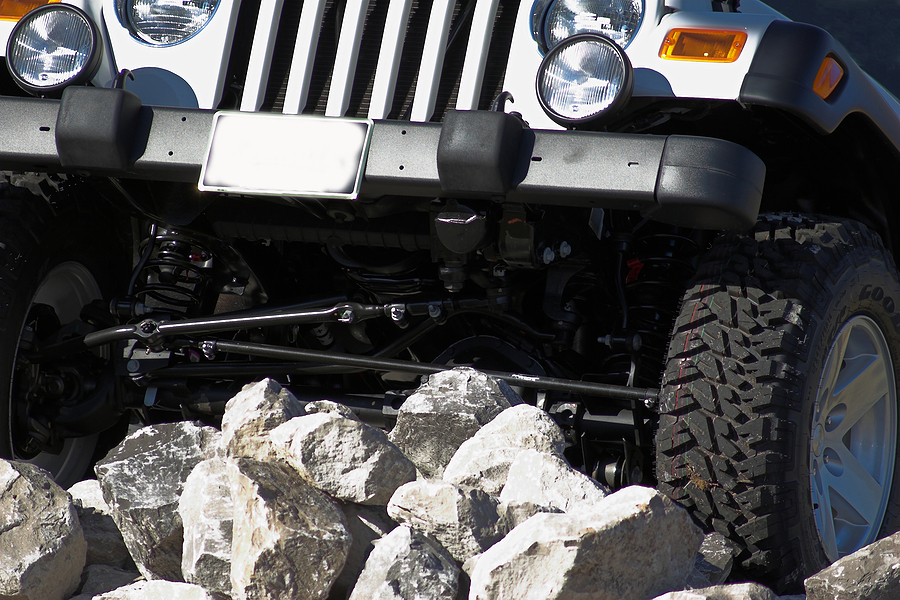
Front-Wheel Drive (FWD): Efficiency and Economy
What is FWD?
Front-wheel drive is the most common drivetrain found in modern passenger cars. In an FWD system, the engine routes all its power to the two front wheels. Because the engine is typically located in the front of the vehicle, the mechanical layout is compact and efficient.
Advantages of FWD vehicles
FWD cars are incredibly practical. By placing the weight of the engine directly over the driven wheels, these vehicles offer excellent traction in slippery conditions like light snow or rain. They are also lighter and cheaper to manufacture, which translates to better fuel economy and a lower purchase price for you.
Disadvantages of FWD vehicles
Because the front wheels are responsible for both steering and putting power to the ground, FWD cars can sometimes feel less dynamic to drive. During hard acceleration, you might experience “torque steer,” where the car pulls slightly to one side. They also tend to wear through front tires more quickly than rear tires.
Best scenarios for FWD
If you use your car primarily for daily commuting, running errands, and family road trips, an FWD vehicle is a fantastic choice. It will serve you well in most climates, offering a reliable, cost-effective, and safe driving experience.
Rear-Wheel Drive (RWD): Performance and Power
What is RWD?
In a rear-wheel-drive system, the engine sends its power exclusively to the back wheels, while the front wheels are left to handle the steering. This setup is the traditional standard for sports cars, muscle cars, and heavy-duty trucks.
Advantages of RWD vehicles
RWD offers superior balance and handling. By separating the steering and driving functions, these vehicles provide a more engaging and responsive driving experience. They can also handle more horsepower without suffering from torque steer, making them ideal for high-performance driving and heavy towing.
Disadvantages of RWD vehicles
The biggest drawback of RWD is its performance in poor weather. Because there is less weight over the driven wheels, RWD cars are prone to losing traction on ice, snow, and heavy rain. They also require a driveshaft running underneath the car, which slightly reduces interior cabin space and increases the vehicle’s overall weight.
Best scenarios for RWD
RWD is the setup of choice for driving enthusiasts. If you live in a mild, dry climate and value precise handling—or if you need a truck specifically designed for towing heavy loads—RWD is the ideal configuration.
Four-Wheel Drive (4WD): All-Weather Capability
What is 4WD?
Four-wheel drive (often referred to as 4×4) is a system that can send power to all four wheels simultaneously. Unlike All-Wheel Drive (AWD), which usually operates automatically, traditional 4WD systems are often selected manually by the driver and feature high and low gear ranges for severe off-road conditions.
Advantages of 4WD vehicles
When the pavement ends or the snow gets deep, 4WD shines. It provides maximum traction on uneven, slippery, or loose surfaces. Whether you are climbing a steep, muddy trail or trying to get out of an unplowed driveway, 4WD gives you the mechanical grip to keep moving safely.
Disadvantages of 4WD vehicles
The added mechanical complexity of 4WD systems makes these vehicles heavier, more expensive to buy, and costlier to maintain. Furthermore, that extra weight and drag significantly decrease fuel efficiency. According to automotive experts, 4WD vehicles consume more gas than their two-wheel-drive counterparts.
Best scenarios for 4WD
If you live in an area with harsh, snowy winters, or if you regularly venture off-road for camping and exploring, 4WD provides the peace of mind and capability you need to stay safe in unpredictable environments.
Comparing FWD, RWD, and 4WD: Key Differences
When evaluating these systems side-by-side, traction, cost, and handling are the primary differentiators:
- Traction and handling: FWD offers solid traction for daily driving. RWD provides exceptional dry-weather handling and towing capacity. 4WD delivers unbeatable grip in severe weather and off-road scenarios.
- Fuel efficiency: FWD typically offers the best gas mileage due to its lightweight design. RWD falls in the middle, while heavy 4WD systems consume the most fuel.
- Cost and maintenance: FWD is the most affordable to purchase and maintain. 4WD is the most expensive, given the extra moving parts like transfer cases and front differentials.
- Driving experience: FWD is predictable and safe. RWD is dynamic and engaging. 4WD feels rugged, planted, and secure.
Making Your Choice: Factors to Consider
Your typical driving conditions
Evaluate the weather and roads you encounter daily. If you face harsh winters or rough terrain, prioritize traction with 4WD. If you drive on dry, paved city streets, FWD is likely all you need.
Vehicle purpose and usage
Are you commuting, towing, or racing? Commuters benefit most from FWD efficiency. Those towing trailers or seeking thrilling performance should lean toward RWD.
Budget and personal preferences
Always factor in the long-term costs of fuel and maintenance. 4WD might sound appealing, but if you rarely use it, you will be paying a premium at the pump for capabilities you don’t need.
Frequently Asked Questions About Drive Types
Is FWD better than RWD in snow?
Yes. FWD is generally much better in the snow than RWD. Because the weight of the engine sits directly above the front wheels, FWD vehicles have superior traction when accelerating on slippery surfaces.
Does 4WD use more gas?
Yes. 4WD systems add significant weight to the vehicle and increase the mechanical resistance within the drivetrain. This requires the engine to work harder, resulting in lower fuel efficiency compared to FWD or RWD.
Can I convert my FWD to RWD?
While it is technically possible, converting an FWD vehicle to RWD is incredibly difficult, highly expensive, and generally not recommended. It requires cutting the car’s chassis, fabricating a transmission tunnel for the driveshaft, and completely rebuilding the suspension. You can expect to pay tens of thousands of dollars for this kind of custom fabrication.
Making a Drive Type Decision
Choosing the right drive type comes down to matching the vehicle’s capabilities to your everyday reality. FWD offers unparalleled practicality and efficiency for the average driver. RWD brings excitement and heavy-duty towing capacity to the table. Meanwhile, 4WD provides maximum security and grip for those who face extreme weather or rugged terrain.
By carefully considering your local climate, budget, and driving habits, you can select the drivetrain that will keep you safe and comfortable on the road for years to come.
If your current vehicle has seen better days—perhaps the drivetrain is failing or it is simply no longer suited for your needs—we can help you turn it into cash. Scrap your old or totaled vehicle at Benjamin’s Junk Cars in Indianapolis. We pay cash on the spot and provide free scrap car towing.
Related Post: Drive Prepared: Essential Tips for Navigating Sudden Car Breakdowns