
Most people see a junk car and think it’s worthless. The truth is far more interesting. Beneath the rust and worn-out parts, the average vehicle holds 2,000 to 3,000 pounds of metal—much of it surprisingly valuable once it reaches a scrap yard.
Knowing which metals are in your car, and where they’re located, can make a real difference in what you’re offered when it comes time to sell. Whether you’re sitting on an old sedan or a beat-up pickup, here’s what’s actually worth something—and why.
Precious Metals in Scrap Cars
When most people think of precious metals, they picture jewelry or coins. But these materials are quietly embedded in nearly every vehicle on the road.
Gold and Silver in Your Car’s Electronics
Gold appears in small but meaningful amounts inside a car’s electronic control units, circuit board connectors, and specialty components. It’s not present in bulk, but in high-volume recycling operations, it adds up. Silver plays a similar role—found in electrical switches, sensors, and certain circuit contacts throughout the vehicle’s wiring system.
Neither metal will dramatically change a standard scrap payout on its own, but they contribute to the overall value of a vehicle’s electronic components.
Platinum Group Metals in Catalytic Converters
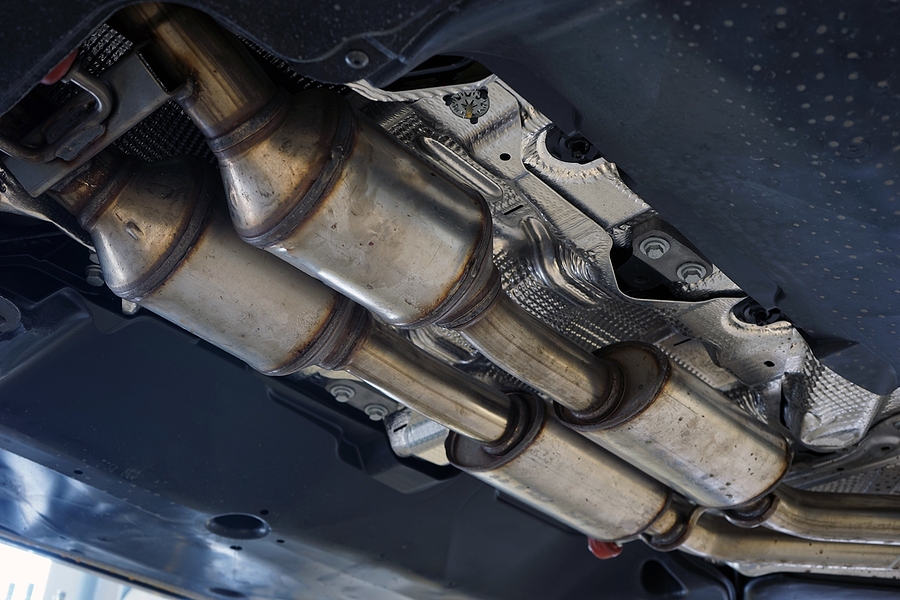
This is where things get genuinely valuable. Every gasoline and diesel vehicle on the road contains a catalytic converter, and those converters are loaded with platinum, palladium, and rhodium. According to Johnson Matthey, approximately 90 tonnes of platinum, 300 tonnes of palladium, and 30 tonnes of rhodium are used globally each year in catalytic converter production—with 30 to 50% of that supply coming from recycled converters.
Rhodium consistently commands the highest per-ounce value of any precious metal. Palladium follows closely behind, with platinum rounding out the trio. Even a small amount of these materials translates into significant value at a recycling facility.
Base Metals Worth Extracting
Precious metals grab headlines, but the bulk of a scrap car’s total payout comes from its base metals. These are the materials that exist in larger quantities throughout the vehicle.
Copper Wiring and Components
Copper is one of the most valuable common metals in a scrap vehicle. The average car contains 40 to 50 pounds of copper, primarily in the wiring harness, starter motor, alternator, and electric motors. Per pound, copper pays significantly more than steel—making it a key contributor to your vehicle’s overall scrap value.
Aluminum Engine Parts and Panels
Modern vehicles use aluminum heavily to cut weight and improve fuel efficiency. On average, a car contains 200 to 500 pounds of aluminum, found in cylinder heads, radiators, wheels and rims, and suspension components. Aluminum earns more per pound than steel, and larger vehicles—particularly trucks and SUVs—tend to carry considerably more of it.
Steel and Iron
Steel is the dominant material in any vehicle, accounting for roughly 55% to 65% of total vehicle weight. That translates to approximately 1,100 to 2,000 pounds of steel per car, found in the frame, body panels, doors, engine block, and brake components. While it pays less per pound than copper or aluminum, its sheer volume ensures it forms the foundation of any scrap payout.
Lead also features in virtually every vehicle through the battery, adding a small but recyclable amount of additional weight.
Catalytic Converters: The Hidden Gold Mine
No single part of a scrap car draws more attention—or more value—than the catalytic converter. Its combination of platinum, palladium, and rhodium makes it one of the most sought-after components in the recycling industry.
Why Catalytic Converters Command Premium Prices
These three platinum group metals are extraordinarily scarce. Their rarity, combined with high industrial demand from automotive emissions systems worldwide, keeps their market value elevated compared to almost any other recoverable material. Rhodium, in particular, frequently holds the highest per-ounce value of any metal on earth.
Protecting Your Converter Before You Sell
Catalytic converter theft is a widespread problem precisely because of this value. If your vehicle is sitting in a driveway or storage lot while you arrange a sale, it’s worth keeping it secured in a garage or well-lit area. Most reputable junk car buyers—including mobile pickup services—will process your vehicle quickly, which eliminates prolonged exposure to theft risk.
How Metal Prices Affect Your Scrap Car Value
The metals inside your vehicle don’t carry a fixed price. Their value shifts based on market conditions, which directly affects what you’ll receive for your car.
Market Price Fluctuations
Copper, aluminum, and steel prices all move with global commodity markets. Supply chain disruptions, international demand from major importers like China and India, and shifts in industrial activity can push prices up or down within weeks. Precious metals like platinum, palladium, and rhodium are even more volatile, swinging significantly based on automotive production rates and investment demand.
Seasonal Variations in Scrap Metal Demand
Scrap metal demand tends to be higher in spring and summer, when construction activity peaks and automotive manufacturing runs at full capacity. Selling during these warmer months can result in slightly better payouts for the steel and aluminum in your vehicle.
That said, if your catalytic converter is intact and platinum group metal prices are high, timing your sale around commodity market peaks can make a more meaningful difference than the season alone.
Where the Most Valuable Metals Are Located
Knowing where value is concentrated in your vehicle gives you a clearer picture of what scrap buyers are actually looking for.
- Engine and drivetrain: Steel engine blocks, aluminum cylinder heads and intake manifolds, copper windings in the starter and alternator
- Catalytic converter: Platinum, palladium, and rhodium—the highest value per-pound of any part on the vehicle
- Electrical system: Copper throughout the wiring harness, gold traces in ECU connectors, silver in switch contacts
- Wheels and body: Aluminum rims and panels, steel in the frame and doors
- Battery: Lead, which is fully recyclable and included in most scrap valuations
- Transmission: Steel housing with occasional magnesium components in select models
Frequently Asked Questions
How is scrap car payment typically calculated?
Most scrap yards use a base formula: scrap metal price per ton multiplied by vehicle weight in tons. Additional value is added for high-value parts like the catalytic converter, copper wiring, and aluminum components.
Which part of a car is worth the most at scrap?
The catalytic converter almost always commands the highest individual value due to its platinum, palladium, and rhodium content. Copper wiring and aluminum components follow closely.
Does a non-running car still have scrap value?
Yes. A car’s scrap value is primarily determined by its metal content—not whether it runs. Non-running vehicles are routinely purchased by scrap buyers at competitive rates.
What affects how much I get for my junk car?
Vehicle weight, current commodity prices, the condition of high-value parts (especially the catalytic converter), your location, and whether you’re selling during a high-demand period all influence your final offer.
Can I remove parts before scrapping my car?
Yes, and in some cases it makes sense to do so. Selling components like the battery, alternator, or catalytic converter separately may yield a higher return than including them in a bulk scrap sale—though this varies depending on current market prices.
Get Paid for What Your Car Is Really Worth
Your junk car holds real value—in its steel frame, its copper wiring, its aluminum components, and especially its catalytic converter. Understanding that value is the first step to making sure you’re not leaving money on the table.
Benjamin’s Junk Cars in Indianapolis pays cash on the spot for scrap vehicles, no matter the condition. Free towing is included with every pickup, so you don’t have to worry about logistics or hidden fees.
Ready to turn that old car into immediate cash? Contact Benjamin’s Junk Cars today and get a fair offer for every pound of metal in your vehicle.
Related Posts:
Ferrous vs. Non-Ferrous: The Most Valuable Metals in Junk Cars
How Much Is Your Junk Car Worth? A Complete Guide to Maximizing Its Value
FAQS About Scrap Metal Prices and Junk Cars