
TL;DR: Proper disposal of hazardous car fluids is critical for environmental and personal safety. Store them securely, avoid mixing different fluids, and take them to designated drop-off centers or recycling locations. These simple steps protect water supplies, promote safety, and allow materials like motor oil to be recycled and reused.
Key Takeaways:
- Know the hazards of improper disposal.
- Find local recycling centers.
- Consider professional disposal services.
Table of Contents:
- Why Can’t I Just Dump Car Fluids?
- What Fluids Are Considered Hazardous?
- How Do I Safely Store Car Fluids Before Disposal?
- Where Can I Recycle Used Motor Oil?
- What About Antifreeze? Is That Recyclable?
- Can I Recycle Used Brake Fluid and Power Steering Fluid?
- Are There Local Regulations I Need to Know?
- When Should I Use a Professional Disposal Service?
- What Are the Penalties for Illegal Dumping?
- Quick Recap: Safe Car Fluid Disposal
- Conclusion
Changing your own oil or topping off your coolant gives you a sense of accomplishment that few other household chores can match. It saves you money, helps you understand your vehicle, and keeps your engine running smoothly. However, once the job is done, you are left with a messy, potentially dangerous byproduct: hazardous car fluids.
For many DIY mechanics, the question of what to do with that pan of sludge is the most stressful part of the process. It sits in the corner of the garage, taking up space and posing a risk to children and pets. While it might be tempting to look for a quick fix, improper disposal is a serious environmental and legal issue.
Navigating the rules of disposal does not have to be complicated. Whether you are dealing with used motor oil, old transmission fluid, or mystery liquid from a project car, there are clear, safe, and often free ways to handle it. This guide will walk you through exactly how to manage these fluids responsibly, ensuring you protect both the environment and your community.
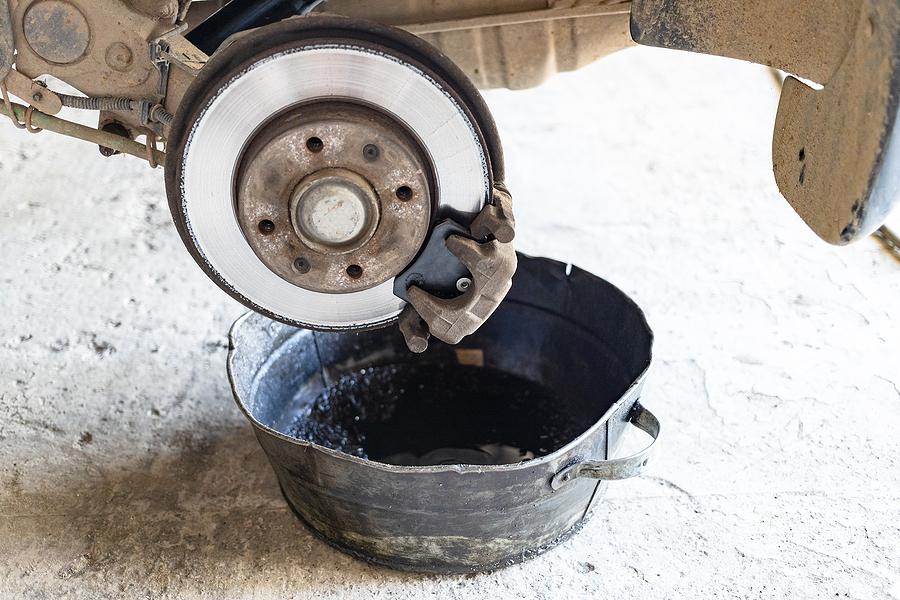
Why Can’t I Just Dump Car Fluids?
The short answer is that automotive fluids are incredibly potent pollutants. When these fluids are dumped onto the ground, into a storm drain, or even into a household sink, they do not just disappear. They travel.
Storm drains, in particular, often flow directly into local waterways without being treated. According to the EPA, the oil from a single oil change can contaminate one million gallons of fresh water. That is a year’s supply of water for 50 people. Beyond water contamination, these fluids contain heavy metals and toxic chemicals that poison soil and harm wildlife. Responsible disposal is the only way to ensure these toxins do not end up in our drinking water or local ecosystems.
What Fluids Are Considered Hazardous?
Most liquids that go into a vehicle, aside from windshield washer fluid (though even that requires care), are considered hazardous waste when removed. The most common fluids you will encounter include:
- Used Motor Oil: Contains dirt, metal scrapings, and chemicals.
- Antifreeze (Coolant): Usually contains ethylene glycol, which is poisonous to humans and animals.
- Brake Fluid: Corrosive and often contaminated with heavy metals like copper.
- Transmission Fluid: Contains various chemical additives.
- Power Steering Fluid: Similar composition to hydraulic fluids.
- Gasoline: Highly flammable and toxic.
Treating all of these as hazardous waste is the safest rule of thumb.
How Do I Safely Store Car Fluids Before Disposal?
Proper storage is the most critical step between draining the fluid and dropping it off. The golden rule of fluid disposal is never mix fluids.
Cross-contamination is the number one reason recycling centers reject drop-offs. If you pour brake fluid into your container of used motor oil, the entire batch becomes unrecyclable.
To store fluids safely:
- Use the Right Containers: The original container is best. If that is not available, use sturdy polyethylene jugs (like empty laundry detergent bottles) that have been thoroughly cleaned and dried. Do not use milk jugs or flimsy plastic that can degrade or leak.
- Label Everything: Use a permanent marker to clearly label what is inside each container. If you don’t know what it is, label it “Unknown.”
- Secure the Area: Store containers in a cool, dry place away from heat sources, pets, and children. Ensure lids are screwed on tight to prevent spills if they are knocked over.
Where Can I Recycle Used Motor Oil?
The good news is that recycling motor oil is easier than ever. Because used oil can be re-refined into new oil or used as a raw material, it has value.
Many major auto parts retailers, such as AutoZone, O’Reilly Auto Parts, and Advance Auto Parts, have programs to accept used motor oil from DIYers for free.
The Process:
- Drain your oil into a clean drain pan.
- Transfer it to a sealed container.
- Bring it to the service counter at the store.
- Don’t forget the filter: Used oil filters can also be recycled. Drain the excess oil from the filter (puncture the dome end and let it drain hot for 12 hours if possible) and bring it along in a sealed bag.
Note: Always call ahead to confirm the store’s tank isn’t full and to check their daily gallon limits.
What About Antifreeze? Is That Recyclable?
Yes, antifreeze is recyclable, but the process is different from motor oil. You cannot dump antifreeze into the oil recycling tank at an auto parts store.
Antifreeze breaks down over time and becomes acidic, but the glycol base can be recovered. However, disposal options are stricter because antifreeze often tastes sweet, making it dangerously attractive to pets and wildlife if spilled.
You will typically need to take used coolant to a Household Hazardous Waste (HHW) facility or a dedicated recycling center. Some local mechanic shops may accept it for a small fee, but you should verify this before you drive over.
Can I Recycle Used Brake Fluid and Power Steering Fluid?
Brake fluid and power steering fluid are generally not “recycled” in the same loop as motor oil due to their chemical composition. These fall squarely into the category of household hazardous waste.
While you cannot usually drop these at an auto parts store, your local municipal waste management division likely has specific drop-off days or locations for these fluids. In many counties, these are known as “ToxDrop” sites or chemical collection events.
Are There Local Regulations I Need to Know?
Absolutely. Waste disposal regulations vary significantly by state, county, and even city.
For example, residents in Indianapolis and Marion County utilize ToxDrop locations on specific Saturdays to dispose of hazardous household waste. These sites are strictly for residents (not commercial businesses) and have limits on how many gallons you can drop off per visit.
How to find your local rules:
- Search your county’s website for “Household Hazardous Waste.”
- Use the Earth911 database to search by zip code.
- Contact your local sanitation department.
When Should I Use a Professional Disposal Service?
Sometimes, the DIY route isn’t feasible. You should call a professional disposal service if:
- You have a large quantity of fluid (e.g., 55-gallon drums).
- You have mixed fluids (e.g., oil mixed with water or gasoline).
- You are clearing out an estate or property with old, unlabeled chemicals.
Attempting to transport compromised or excessive amounts of chemicals in a personal vehicle can be dangerous. Professionals have the equipment to pump and transport these materials safely.
What Are the Penalties for Illegal Dumping?
Illegal dumping is a crime. Aside from the severe environmental damage, getting caught dumping car fluids can ruin your finances.
Penalties vary by location, but they are universally harsh. In Indianapolis, illegal dumping can result in fines up to $2,500. On a federal level, depending on the severity and location of the dumping, fines can escalate into the tens of thousands of dollars alongside potential jail time. It is simply never worth the risk.
Frequently Asked Questions
Can I mix different types of car fluids for disposal?
No. Never mix fluids. Mixing oil with antifreeze or gasoline renders it unrecyclable and may require you to pay a professional to dispose of it as contaminated hazardous waste.
What do I do if I spill car fluids?
Do not hose it down the driveway. Cover the spill with an absorbent material like kitty litter, sand, or sawdust. Once the liquid is absorbed, sweep it up, place it in a sealed bag, and dispose of it according to your local HHW guidelines.
Are there any at-home recycling methods for car fluids?
No. Automotive fluids require industrial-grade refining processes to be cleaned and reused safely. There are no safe methods for processing these fluids at home.
How can I find a reputable disposal service near me?
Start with your local government’s solid waste website. They will list approved facilities. Alternatively, sites like Earth911 allow you to search for recycling locations by material and zip code.
Do I need to drain the fluids from a junk car before selling it?
It is not necessary to drain the fluids from a junk or totaled vehicle before selling it to an auto salvage yard or junk car buyer. These businesses generally retain the proper resources to handle dismantling and disposal procedures. Always check with the scrapyard beforehand to ensure no drainage or similar preparation is needed.
Quick Recap:
- Never Dump: Do not pour fluids on the ground or down drains.
- Do Not Mix: Keep oil, antifreeze, and gas separate.
- Store Safely: Use sealed, labeled plastic containers.
- Recycle Oil: Take used motor oil to participating auto parts stores.
- Use HHW Sites: Take brake fluid, antifreeze, and other chemicals to local hazardous waste drop-offs.
- Know the Law: Check your local county guidelines for schedules and limits.
Conclusion
Disposing of hazardous car fluids responsibly is a vital part of car ownership. It protects our drinking water, keeps our neighborhoods safe, and ensures that valuable materials like motor oil can be given a second life. By following these simple steps—storing fluids correctly, never mixing them, and using local drop-off centers—you can maintain your vehicle and your peace of mind.
Need to get rid of that old clunker taking up space? Request free junk car removal in Indianapolis and get paid cash on the spot.
Related Post: A Car Owner’s Guide to Automotive Fluids and Refills