
TL;DR: Recycled vehicles are dismantled and transformed into valuable resources. Usable parts are resold, steel is melted down for new products, catalytic converters are processed for precious metals, and fluids are either reused or properly disposed of. Approximately 86% of a vehicle’s material content is recycled, reused, or used for energy recovery.
Key Takeaways:
- Over 4 million vehicles are recycled annually in the U.S. and Canada
- Steel recycling from vehicles saves 72% of the energy needed for primary production
- Catalytic converters contain platinum, palladium, and rhodium that are recovered and reused
- Recycling one ton of steel saves 2,500 pounds of iron ore, 1,400 pounds of coal, and 120 pounds of limestone
- Approximately 24 million gallons of motor oil are collected and recycled from vehicles each year
Table of Contents:
- The Primary Uses of Recycled Vehicle Parts
- How Recycled Steel Benefits the Environment
- Recovering Precious Metals from Catalytic Converters
- The Role of Recycled Fluids and Plastics
- Frequently Asked Questions
- Quick Recap
- Scrap Your Junk Vehicle in Indianapolis
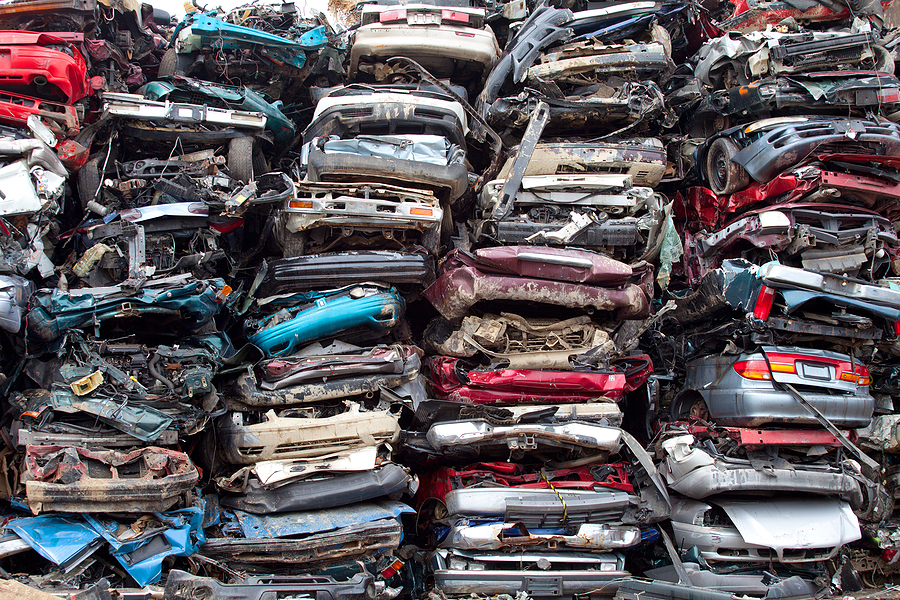
The Primary Uses of Recycled Vehicle Parts
Recycled vehicle parts serve three main purposes: direct reuse, material recycling, and energy recovery. When a vehicle reaches the end of its life, it enters a comprehensive recycling process. The automotive recycling industry employs over 140,000 people in the United States at more than 9,000 locations, generating $32 billion in sales nationwide.
The first step involves identifying and removing parts that can be resold. High-value components like electronic modules, alternators, starter motors, and infotainment systems are carefully extracted if they remain serviceable. These parts provide affordable replacement options for vehicle owners and reduce the demand for new manufacturing.
Even complete engines and transmissions may be removed for remanufacturing. This process restores used parts to like-new condition, offering a more sustainable alternative to producing new components from scratch.
After reusable parts are removed, the remaining vehicle undergoes further dismantling. Hazardous materials and fluids are carefully extracted to prevent environmental contamination. The vehicle shell is then crushed and sent to a shredder, where it’s reduced to fist-sized chunks of metal.
These metal fragments are sorted, with ferrous metals separated from non-ferrous materials. The recovered steel is sold to steel mills, where it’s melted down and used to manufacture new products—from construction materials to new vehicle parts.
How Recycled Steel Benefits the Environment
Recycling steel from vehicles reduces CO₂ emissions by 58% compared to producing steel from raw materials. Steel recycling delivers substantial environmental benefits. Using recycled steel instead of virgin ore saves 72% of the energy needed for primary production. That translates to 4,697 kWh of energy saved per ton of steel recycled.
The conservation extends beyond energy. Every ton of new steel made from scrap conserves 2,500 pounds of iron ore, 1,400 pounds of coal, and 120 pounds of limestone. These savings reduce mining activities and preserve natural resources.
In 2018, recycling 94 million tons of scrap in the EU saved 157 million tons of CO₂—an amount equivalent to all automobiles circulating in France, Great Britain, and Belgium combined. The automotive recycling industry in Massachusetts alone reduces the state’s carbon footprint by at least 2.2 million tons of carbon dioxide annually.
The environmental impact goes further. Using recycled metal instead of virgin ores reduces air pollution by 86%, water pollution by 76%, and water use by 40%.
Approximately 70% of steel produced to date remains in use, demonstrating the material’s durability and recyclability. Steel can be recycled indefinitely without losing its structural properties, making it ideal for a circular economy.
Recovering Precious Metals from Catalytic Converters
Catalytic converters are processed to recover platinum, palladium, and rhodium—precious metals used in new catalytic converters and other industrial applications.
Catalytic converters contain three valuable platinum-group metals (PGMs): platinum, palladium, and rhodium. These metals serve as catalysts to reduce harmful exhaust emissions. In 2021, catalytic converters accounted for approximately 92% of global rhodium consumption, 83% of primary palladium consumption, and 35% of platinum consumption.
The recycling process begins with careful removal of catalytic converters during vehicle dismantling. Recyclers then extract the ceramic substrate containing the precious metals. This material undergoes specialized processing, typically involving pyrometallurgy, where high-temperature smelting separates the metals from other materials.
The secondary supply of platinum, palladium, and rhodium obtained through recycling is significant. In 2021, approximately 168,000 kg of secondary PGMs was recovered globally, accounting for about 28% of the global supply. In the United States alone, approximately 40,000 kg of palladium and 11,000 kg of platinum were recovered from automobile catalytic converters that year.
Spent automotive catalytic converters deliver more than 57% of Europe’s platinum-group metals supply, making them a crucial resource for these valuable materials. The recovered metals are refined and sold back to manufacturers, where they’re used to produce new catalytic converters, closing the loop in a sustainable supply chain.
The Role of Recycled Fluids and Plastics
Fluids extracted from recycled vehicles are either reprocessed for reuse or safely disposed of, while plastics are increasingly being recovered for recycling. Every year, the automotive recycling industry collects and reuses or recycles an estimated 8 million gallons of gasoline and diesel fuel, 24 million gallons of motor oil, 8 million gallons of engine coolant, and 5 million gallons of windshield washer fluid.
Motor Oil Recycling
Used motor oil is one of the most recycled fluids from vehicles. Recycled used motor oil can be re-refined into new oil, processed into fuel oils, and used as raw materials for the petroleum industry. One gallon of used motor oil provides the same 2.5 quarts of lubricating oil as 42 gallons of crude oil.
Re-refined oil must meet the same stringent standards as virgin oil, making it a viable and environmentally responsible alternative. To recycle used oil, processors remove water, insolubles, dirt, heavy metals, nitrogen, chlorine, and oxygenated compounds.
Antifreeze and Coolant
Antifreeze can be recycled through reuse, distillation, filtration, or ion exchange. Most used antifreeze is filtered to remove metals or oil, then new chemicals are added to restore its effectiveness. This process significantly reduces waste and conserves resources.
Other Fluids
Transmission fluid, unless contaminated, is managed as used oil. Brake fluid, often hazardous due to toxicity and contamination from chlorinated solvents, is collected separately and sent to specialized recyclers. Fuel is either reused within the facility or properly disposed of as hazardous waste.
Plastic Recovery
While recycling plastic from vehicles presents challenges, the industry is making progress. Automotive shredder residue contains approximately 30% polymers. Modern recycling facilities increasingly implement advanced sorting technologies to separate and recover these plastics for reprocessing. Currently, about 75% of vehicle materials can be recycled, with ongoing efforts to increase this percentage and reduce landfill waste.
Frequently Asked Questions
How much of a car can actually be recycled?
Approximately 86% of a vehicle’s material content is recycled, reused, or used for energy recovery. Currently, about 75% of materials are recycled, with 25% ending up in landfills. The industry continues working to increase these percentages through improved technology and processes.
What happens to car batteries when vehicles are recycled?
Lead-acid batteries are one of the most successfully recycled products, with 96% recovered annually. Batteries are tested to determine if they’re reusable. If not, the lead is extracted and recycled, while the battery acid is neutralized or reused. Lithium batteries from hybrid and electric vehicles require special handling and must be recycled as soon as possible to prevent fire hazards.
Are recycled auto parts safe to use?
Yes, when properly tested and installed. Recycled parts like alternators, starter motors, and electronic modules undergo inspection before resale. Many automotive recyclers offer warranties on their parts, providing additional peace of mind for buyers.
How long does the vehicle recycling process take?
The initial dismantling process—removing fluids, batteries, and valuable parts—typically takes a few hours to a few days, depending on the vehicle and facility. Once processed, the remaining shell is crushed and shredded within days. The entire process from arrival to final material sorting generally takes one to two weeks.
What environmental regulations govern vehicle recycling?
The EPA regulates the handling of hazardous materials like mercury switches, lead, refrigerants, and fluids. The End of Life Vehicles Directive in the EU sets clear targets for vehicle recycling and restricts the use of hazardous substances in new vehicles. State and local regulations may impose additional requirements for automotive recyclers.
Can I sell my junk car even if it doesn’t run?
Absolutely. Non-running vehicles still contain valuable materials like steel, aluminum, copper, and platinum-group metals. Reputable junk car buyers will tow your vehicle for free and pay you based on its weight and recyclable content.
Quick Recap:
- Over 4 million vehicles are recycled annually in the U.S. and Canada, generating $32 billion in sales
- 86% of vehicle materials are recycled, reused, or used for energy recovery
- Recycling steel from cars saves 72% of energy compared to primary production and reduces CO₂ emissions by 58%
- Catalytic converters provide 28% of the global supply of platinum, palladium, and rhodium through recycling
- 24 million gallons of motor oil are collected annually and can be re-refined into new oil
- Lead-acid batteries achieve a 96% recycling rate, making them one of the most recycled products
- Environmental benefits include reduced air pollution (86%), water pollution (76%), and water use (40%)
In Summary
Understanding what happens to recycled vehicles reveals the significant environmental and economic value they provide. From reusable parts to recycled steel and recovered precious metals, every component serves a purpose beyond the vehicle’s roadworthy life.
If you have a junk car taking up space in Indianapolis, Indiana, now’s the time to turn it into cash. We offer fair payouts on the spot and provide free towing—no hassle, no hidden fees. Your old vehicle contains valuable materials that can be recycled responsibly while putting money in your pocket. Contact us today to get a quote and schedule your free pickup.
Related Post: From Rust to Rebirth: The Incredible Journey of Auto Recycling