
For many of us, a car is more than just a machine. It is a companion on road trips, a reliable partner for the daily commute, and a safe haven during stormy weather. However, like all things, vehicles eventually reach the end of their useful lives. Whether due to age, mechanical failure, or accident damage, there comes a time when a car can no longer be driven safely. But have you ever wondered what happens after the engine is turned off for the last time?
The journey of a vehicle doesn’t end at the scrapyard gate. In fact, that is where a fascinating new chapter begins. Auto recycling is a complex, highly efficient industry that transforms what looks like a heap of rust into valuable raw materials. This process is critical not just for waste management, but for the health of our planet and the stability of our economy.
Understanding the lifecycle of a recycled car reveals a sophisticated system designed to minimize waste and maximize resource recovery. It is a journey from scrap metal to a second life, ensuring that the materials from your old sedan or truck eventually find their way back into the products we use every day.
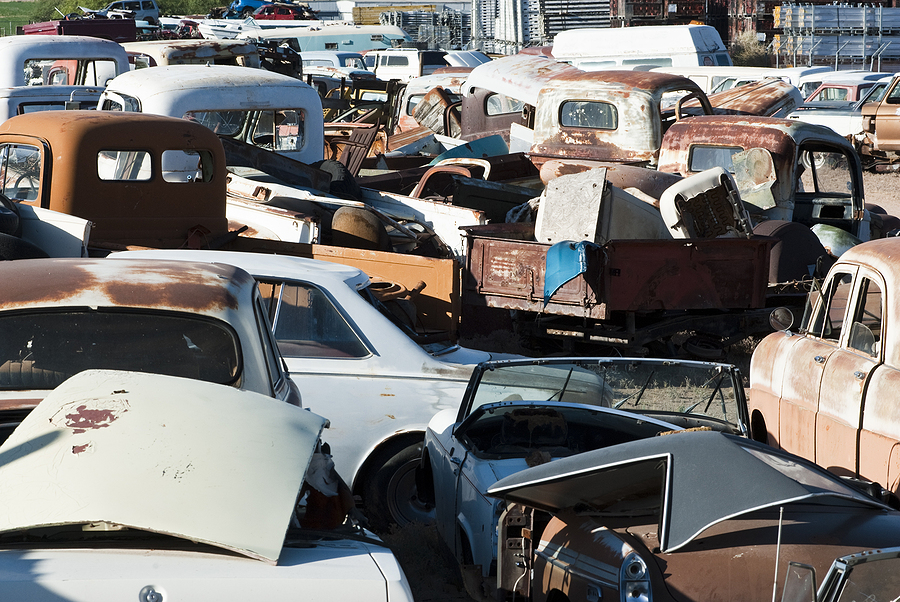
The Scrap Metal Stage: Dismantling and Sorting
The first step in the recycling journey is perhaps the most crucial: depollution and dismantling. When a vehicle arrives at a scrap metal recycling facility, it is not simply thrown into a crusher. A vehicle is a complex assembly of hazardous fluids, reusable parts, and recyclable materials, all of which must be separated carefully.
Before any physical destruction takes place, the vehicle undergoes a rigorous depollution process. Technicians drain all fluids, including engine oil, transmission fluid, brake fluid, antifreeze, and gasoline. These liquids are hazardous to the environment if they seep into the soil or groundwater. By capturing them responsibly, recyclers can often refine and reuse these fluids or ensure they are disposed of safely.
Once the fluids are removed, the focus shifts to harvesting high-value components. Parts that are still in good working condition—such as alternators, starters, engines, and transmissions—are removed, cleaned, and tested. These components are then sold as used car parts, providing a cost-effective alternative for other drivers needing repairs.
Items like lead-acid batteries are removed to be recycled separately, as they contain toxic chemicals but are nearly 100% recyclable. Tires are also taken off; while they were once destined for landfills, today they are often shredded and repurposed into rubberized asphalt, playground surfaces, or even fuel for cement kilns.
The Recycling Process: Transforming Scrap
Once the hazardous materials and reusable parts have been stripped away, what remains is the vehicle hulk—mostly the metal frame and body. This is where the heavy machinery comes into play. The stripped vehicle is placed into a crusher, which flattens the car into a dense metal brick or “log.” This reduces the volume of the waste, making it easier and more efficient to transport to a shredding facility.
At the shredding facility, the flattened vehicles are fed into a massive industrial shredder. In a matter of seconds, the car is reduced to fist-sized chunks of metal, glass, and plastic. This is necessary to separate the different materials that make up the vehicle’s structure.
The shredded material then passes through a series of sophisticated separators:
- Magnets pull out ferrous metals (metals containing iron, like steel). This steel is the primary output of auto recycling and is sent to steel mills.
- Eddy currents and air flotation systems separate non-ferrous metals, such as aluminum and copper, which are highly valuable.
- ASR (Auto Shredder Residue), which consists of the remaining glass, plastic, foam, and rubber, poses the biggest challenge. While some of this is landfilled, advanced technologies are increasingly allowing recyclers to recover plastics and glass from this mix for further use.
- The recovered steel is melted down in furnaces to create new steel products. It is a remarkable cycle; the steel from your old car could eventually become part of a new refrigerator, a bridge, a building beam, or even a brand-new vehicle.
Get a Free Offer for Your Scrap Car Today 📞
Environmental Benefits: A Cleaner Planet
The environmental impact of car recycling is profound. By recycling vehicles, we significantly reduce the need for mining virgin ores. Mining is an energy-intensive process that disrupts ecosystems and releases substantial greenhouse gases. Conversely, recycling steel uses about 74% less energy than producing new steel from iron ore (World Steel Association, 2021).
Furthermore, the process acts as a massive filtration system for hazardous substances. If junk cars were simply abandoned in fields or landfills, the millions of gallons of oils and fluids they contain would eventually leak into the environment. Auto scrappers prevent this contamination, acting as stewards for local soil and water quality.
The reduction in landfill waste is another key benefit. Automobiles are large, bulky items. By recycling the vast majority of a vehicle’s mass—often up to 86% of the car by weight—the industry saves millions of cubic yards of landfill space every year. This conservation of space is vital as municipalities struggle with waste management solutions.
Economic Impact: Fueling Local Growth
Beyond the environmental advantages, automotive recycling is a powerful economic engine. It creates a circular economy where materials are kept in use for as long as possible, retaining their value.
This industry supports a wide range of jobs, from the technicians who dismantle the cars to the logistics experts who manage the transport of scrap, and the workers at steel mills who process the recycled metal. It is a multi-billion dollar industry that contributes significantly to the GDP.
For manufacturers, the availability of recycled steel and aluminum helps keep production costs down. Using scrap metal is generally cheaper than purchasing virgin raw materials, a saving that helps stabilize prices for consumer goods.
On a local level, automotive recycling puts money directly back into the pockets of consumers. When individuals sell their end-of-life vehicles to scrap yards, they receive immediate cash. This transaction injects liquidity into the local economy and provides a financial return on an asset that would otherwise be a liability.
Turn Your Old Car into Cash in Indianapolis
If you have an old vehicle taking up space in your driveway or garage, you have the power to contribute to this sustainable cycle. Not only will you be doing your part for the environment, but you can also benefit financially.
Don’t let that car rust away. We offer competitive rates and a hassle-free process. If you are looking to sell your junk car for cash in Indianapolis, Contact Us Today to get a quote and give your car a new purpose.
Related Post: Why Scrap Car Recycling Matters More Than You Think