
Steel is the backbone of modern society, found in everything from the skyscrapers that define our skylines to the soup cans in our pantries. It is also one of the most sustainable materials on the planet. Unlike plastic or paper, which degrade over time, steel can be recycled infinitely without losing its inherent strength or quality. This unique property makes it a critical component of a circular economy, reducing the need for raw material extraction and significantly lowering energy consumption.
Understanding how steel recycling works—from massive industrial operations to the small decisions we make in our kitchens—empowers us to contribute to a greener future. Whether you are a business owner managing industrial scrap or a homeowner wondering what to do with an old toaster, the process is surprisingly accessible and impactful.
By participating in steel recycling, we not only conserve natural resources but also support a robust economic ecosystem that turns waste into valuable new products.
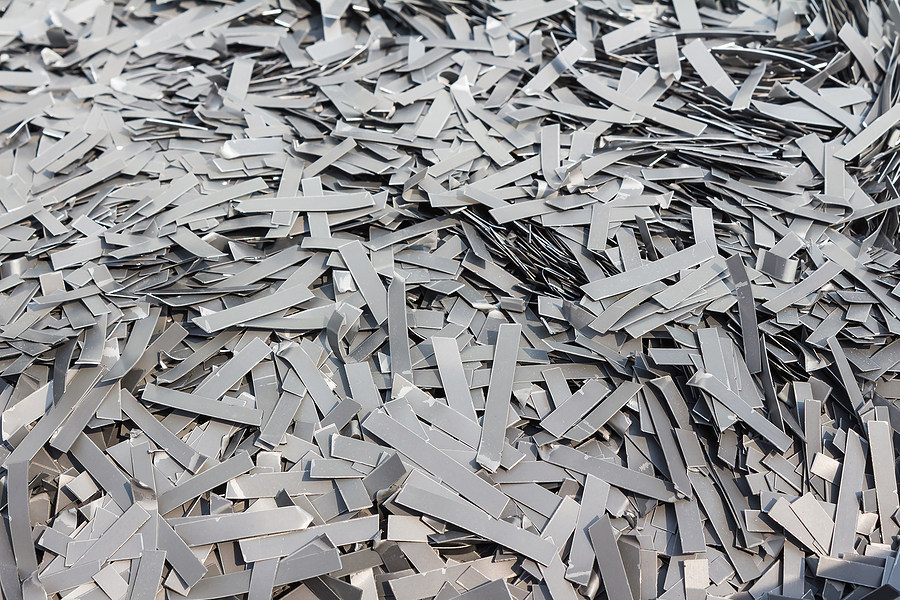
How Large-Scale Steel Recycling Works
On an industrial scale, steel recycling is a marvel of efficiency and technology. The process begins with the collection of ferrous scrap, which comes from various sources such as end-of-life vehicles, demolished buildings, and manufacturing offcuts. According to the Bureau of International Recycling (BIR), approximately 630 million tons of recycled steel are used annually in global steel production, preventing almost 950 million tons of CO2 emissions.
The Role of Electric Arc Furnaces (EAF)
Modern steelmaking relies heavily on two main processes: the Basic Oxygen Furnace (BOF) and the Electric Arc Furnace (EAF). While BOF production primarily uses raw iron ore with a smaller percentage of scrap, EAF production uses electricity to melt down up to 100% recycled steel scrap. In the United States, EAF production accounts for nearly 70% of all steel manufacturing, highlighting the nation’s reliance on recycled materials.
This shift toward EAF technology has drastically reduced the environmental footprint of the steel industry. The Environmental Protection Agency (EPA) estimates that secondary steel production (using recycled scrap) uses about 74% less energy than producing steel from virgin iron ore. This energy saving is crucial for reducing greenhouse gas emissions and conserving non-renewable resources like coal and limestone.
Processing and Purification
Once scrap steel arrives at a recycling facility, it undergoes rigorous sorting and processing. Giant magnets separate ferrous metals (which contain iron and are magnetic) from non-ferrous metals like aluminum and copper. The steel is then shredded into smaller pieces to facilitate melting.
During the melting process in the furnace, impurities are removed, and alloys are added to achieve the desired chemical composition for the new steel product. This purified molten steel is then cast into semi-finished shapes like slabs or billets, ready to be rolled into new beams, coils, or sheets. This cycle ensures that the steel from an old car today could become part of a wind turbine or a new refrigerator tomorrow.
Managing Household Steel Scrap
While industrial recycling handles massive volumes, individual contributions from households play a vital role in the supply chain. Many items we use daily are made of steel, yet they often end up in landfills due to confusion about what is recyclable.
Identifying Recyclable Steel at Home
The easiest way to identify steel items is the “magnet test.” If a magnet sticks to the item, it is ferrous metal (likely steel or iron) and can be recycled. Common household steel items include:
- Food Packaging: Soup cans, vegetable tins, and pet food containers.
- Appliances: Toasters, microwaves, washing machines, and refrigerators.
- Hardware: Nails, screws, tools, and metal shelving.
- Automotive Parts: Brake rotors, exhaust pipes, and car bodies.
Preparing Your Scrap for Recycling
Proper preparation ensures that your scrap is accepted and processed efficiently. For food containers, a simple rinse to remove food residue is usually sufficient; labels can typically be left on as they are burned off during the melting process.
For larger items like appliances or scrap metal from home renovation projects, safety and sorting are key.
- Separate Metals: Keep ferrous metals separate from non-ferrous metals (like aluminum cans or copper wire) if you are taking them to a scrap yard yourself.
- Remove Non-Metal Parts: Where possible, remove plastic handles, glass shelves, or rubber gaskets. While recycling facilities have shredders that can separate these materials, cleaner scrap often fetches a better price and is easier to process.
- Check for Hazardous Materials: Items like refrigerators and air conditioners contain refrigerants that must be removed by certified professionals before the metal can be recycled. Never attempt to drain these fluids yourself.
Recycling Junk Cars
One of the most significant sources of household steel scrap is end-of-life vehicles. A single car contains roughly 2,400 pounds of steel, and recycling it saves vast amounts of energy compared to producing new steel for a new vehicle.
If you have an old vehicle taking up space in your driveway, recycling it is a responsible and potentially profitable option. In cities like Indianapolis, junk car buyers exist to make this process seamless.
Turn Your Clunker into Cash in Indianapolis
Do you have a junk car sitting in your garage in Indianapolis? You can turn that eyesore into instant cash while helping the environment. Local salvage yards like us over at Benjamin’s Junk Cars offer a streamlined process:
- Get a Quote: Call 317-218-7133 or fill out an online form to get a competitive offer based on your car’s make, model, and condition.
- Free Towing: Once you accept our offer, we will pick up your vehicle for free, sometimes within 24 to 72 hours.
- Instant Payment: You get paid on the spot when the tow truck arrives.
- Paperwork: In Indiana, you generally need a valid title to sell your vehicle to a salvage yard. If you’ve lost yours, you can obtain a duplicate title from the Indiana Bureau of Motor Vehicles (BMV).
The Overall Impact of Recycling Steel
The benefits of steel recycling extend far beyond waste reduction. It is a powerful economic driver and a cornerstone of environmental stewardship.
Conserving Natural Resources
Every ton of recycled steel saves 2,500 pounds of iron ore, 1,400 pounds of coal, and 120 pounds of limestone. By utilizing existing materials, we reduce the need for destructive mining practices that disrupt ecosystems and deplete finite resources.
Energy Efficiency and Climate Change
As mentioned earlier, recycling steel requires significantly less energy than primary production. This efficiency translates directly into lower carbon emissions. The BIR reports that using recycled steel prevents nearly a billion tonnes of CO2 emissions globally each year. In a world increasingly focused on combating climate change, the steel recycling industry is a critical ally.
Economic Growth
The recycling industry creates jobs in collection, processing, and manufacturing. It supports a domestic supply chain that makes countries less reliant on imported raw materials. For the consumer, scrap metal has value. Selling scrap to a local yard puts money back into the local economy and provides a financial incentive for responsible disposal.
Taking the Next Step
Steel recycling is a testament to human ingenuity—a process that turns waste into wealth and sustainability. From the massive electric arc furnaces melting down tons of scrap to the simple act of rinsing a soup can, every step in the chain matters.
By understanding the value of steel and participating in recycling programs, we contribute to a cleaner planet and a stronger economy. So, the next time you look at a piece of scrap metal, don’t see it as trash. See it as a resource waiting to be transformed. Whether it’s a bag of tin cans or an old sedan in the driveway, ensure it finds its way to a recycling bin or facility. It’s a small effort that makes a world of difference.
Got a junk car or scrap automotive parts you’re looking to get rid of at the right price? Let us pay you cash on the spot. Contact Us Today for a free junk car offer. Enjoy an instant payout and free haul-away.
Related Post: From Rust to Rebirth: The Incredible Journey of Auto Recycling